From Plastic to Paper: Advancing Sustainable Packaging Solutions for Modern Businesses
By lovetree pak 19-02-2026 168
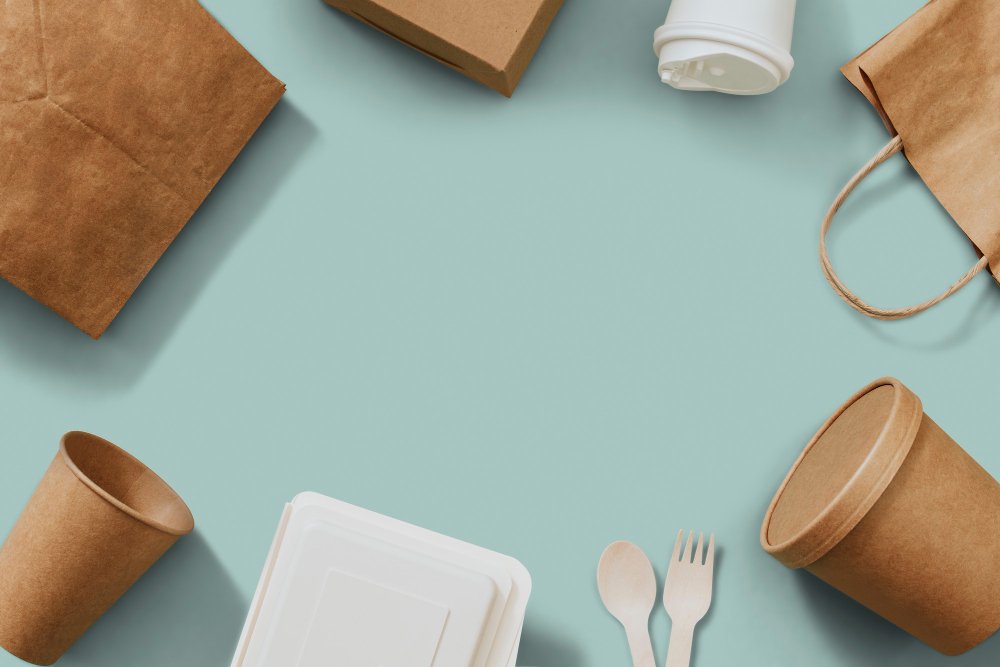
As global awareness around environmental responsibility grows, businesses are rapidly rethinking how their products are packaged. The shift from plastic to paper is no longer optional—it has become a core part of packaging and sustainability strategies across industries. Today, brands are actively investing in sustainable packaging solutions that balance performance, protection, and environmental impact.
Why Sustainable Packaging Is a Business Priority
Traditional plastic packaging poses long-term environmental challenges, from low recycling rates to persistent pollution. In contrast, eco-friendly packaging made from renewable or recycled materials supports circular economy goals and aligns with evolving regulations and consumer expectations.
Companies that adopt sustainable packaging benefit from:
- Improved brand credibility
- Reduced environmental footprint
- Better compliance with sustainability standards
- Stronger appeal to eco-conscious customers
The Rise of Recycled Paper Packaging
One of the most effective alternatives to plastic is recycled paper packaging. It minimizes raw material consumption, reduces waste, and integrates easily into existing recycling systems. However, modern sustainability goes beyond flat paper products - this is where molded solutions come into play.
Molded Fibre Packaging: A Smarter Alternative
Molded fibre packaging has emerged as a leading solution for businesses seeking both sustainability and functionality. Made from recycled paper or agricultural byproducts, it provides excellent structure and durability while remaining biodegradable and compostable.
Key advantages include:
- Strong protective packaging properties
- Lightweight yet durable design
- Reduced reliance on virgin plastic
- Compatibility with automated manufacturing
This makes molded fibre ideal for electronics, food service, consumer goods, and industrial applications.
Molded Paper Pulp Packaging Explained
Molded paper pulp packaging is produced by shaping wet pulp into custom forms, allowing businesses to replace plastic inserts, trays, and clamshells. Materials such as molded fiber pulp and molded pulp are widely used to create packaging that is both protective and environmentally responsible.
Common applications include:
- Product cushioning and shock absorption
- Food trays, bowls, and containers
- Protective inserts for shipping
- Retail-ready packaging
These solutions deliver performance comparable to plastic while supporting sustainability goals.
Sugarcane Bagasse and Molded Fiber Pulp
Beyond recycled paper, agricultural waste materials like sugarcane bagasse are redefining molded packaging. Bagasse-based molded fiber pulp utilizes byproducts from sugar production, reducing waste and lowering environmental impact.
Benefits include:
- Renewable, non-wood fiber source
- Compostable and biodegradable properties
- Heat and moisture resistance
- Excellent strength-to-weight ratio
This makes bagasse pulp a preferred choice for next-generation eco-friendly packaging.
Custom Packaging Solutions for Sustainable Growth
Sustainability does not mean sacrificing customization. Modern custom packaging solutions allow businesses to design molded pulp packaging that fits their products precisely, reducing material waste and improving logistics efficiency.
Custom molded solutions support:
- Brand differentiation
- Reduced shipping damage
- Optimized material usage
- Lower carbon footprint
By combining customization with sustainability, businesses achieve both operational and environmental efficiency.
Transitioning from Plastic to Paper Packaging
Successful transitions require planning and evaluation. Companies moving from plastic to paper-based packaging often follow a structured process:
- Assess packaging performance requirements
- Select appropriate paper or molded pulp materials
- Pilot and test new packaging formats
- Measure environmental and cost impact
- Communicate sustainability improvements clearly
Industry leaders such as EcoEnclose emphasize that thoughtful material selection and transparency are key to long-term success.
The Future of Packaging and Sustainability
The future of packaging lies in renewable, recyclable, and compostable materials. Molded pulp, molded fibre packaging, and recycled paper packaging are no longer niche options—they are becoming industry standards.
Businesses that invest early in sustainable packaging solutions position themselves for regulatory readiness, consumer trust, and long-term growth.
Final Thoughts
Switching from plastic to paper-based alternatives is a powerful step toward responsible manufacturing. By adopting molded paper pulp packaging, custom packaging solutions, and eco-friendly materials, businesses can meet performance needs while advancing sustainability goals.
Sustainable packaging isn’t just better for the planet—it’s better for business.