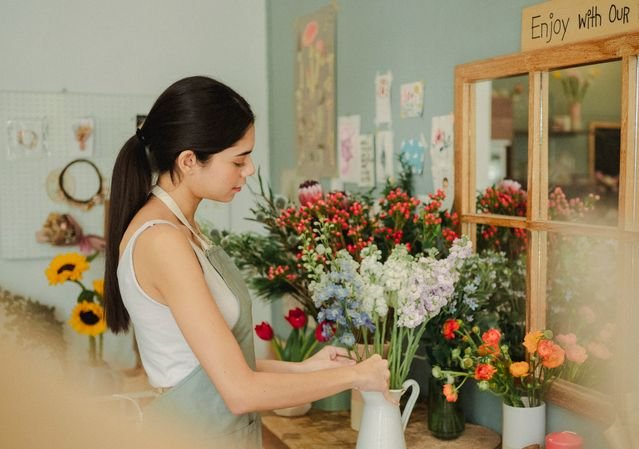
Flowers have long been woven into human expression, celebration, and remembrance. Whether placed on a dinner table, carried down an aisle, or arranged in a quiet corner of a home, florals have a way of transforming a space and influencing the emotions of those within it. Their presence often feels subtle, yet their impact is undeniable. Many people view flowers as decorative accents, but their significance reaches far beyond aesthetics. Florals can shape atmosphere, communicate meaning, and elevate experiences in ways that are both immediate and lasting. Understanding why they matter so much can help you appreciate the role they play in everyday life and special occasions alike.
The Emotional Influence of Florals
Flowers have a unique ability to evoke emotions. Their colors, shapes, and scents can create feelings of calm, joy, nostalgia, or excitement. This emotional influence is one reason florals are used in celebrations, memorials, and personal rituals. A bouquet of soft pastels may bring comfort during difficult times, while vibrant blooms can energize a room and uplift spirits. Even a single flower placed thoughtfully can shift the tone of a space.
Research has shown that natural elements, including flowers, can reduce stress and improve mood. Their presence offers a sense of connection to nature, which many people find grounding. In environments where emotions run high, such as weddings or milestone events, florals help set the tone and support the emotional experience of everyone present. Their influence is subtle but powerful, shaping how people feel without needing words.
Florals as a Form of Communication
Flowers have long served as a symbolic language. Different blooms carry different meanings, allowing people to express sentiments that may be difficult to articulate. Roses often symbolize love; lilies represent purity, and sunflowers convey warmth and positivity. This symbolic tradition continues today, influencing how florals are chosen for various occasions.
When planning events, selecting flowers with intention can add depth and personal significance. For example, incorporating blooms that hold cultural or familial meanings can make a ceremony feel more connected and authentic. Even in everyday life, gifting flowers remains a timeless gesture because it communicates care, appreciation, or support without needing elaborate explanation. Florals speak in a way that feels universal, bridging emotional gaps and strengthening connections.
The Transformative Power of Floral Design
Beyond symbolism and emotion, florals have a remarkable ability to transform physical spaces. A thoughtfully designed arrangement can shift the entire atmosphere of a room. Soft, flowing greenery can create a sense of tranquility, while structured, bold arrangements can add sophistication or drama. Florals bring texture, movement, and color that enhance architectural features and complement décor.
This transformative power is especially evident in weddings and events, where florals often serve as a central design element. They guide the visual narrative, tying together themes, color palettes, and personal style. Even simple arrangements can elevate an event, making it feel more cohesive and memorable. Many planners and hosts rely on florals to create an environment that feels intentional and inviting, recognizing their ability to shape how guests experience a space.
For those seeking thoughtful options, some turn to reasonably priced fresh flowers for weddings and events to bring beauty and meaning into their celebrations without compromising quality or style. Access to a wide variety of blooms allows people to design spaces that reflect their vision while staying within budget.
Florals and the Human Connection to Nature
In a world where many people spend most of their time indoors, florals offer a tangible connection to nature. Their presence reminds us of growth, change, and the natural rhythms of life. This connection can be grounding, especially during busy or stressful periods. Flowers bring a sense of freshness and vitality that artificial décor cannot replicate.
Incorporating florals into everyday environments, such as homes or workplaces, can improve well-being and create a more inviting atmosphere. They soften harsh lines, add organic beauty, and introduce natural colors that complement a variety of styles. Even small touches, like a vase of seasonal blooms, can make a space feel more alive and welcoming. This connection to nature is one reason florals remain a timeless element in design and personal expression.
Conclusion
Florals matter more than many people realize. They influence emotions, communicate meaning, transform spaces, and reconnect us with the natural world. Whether used in daily life or special events, flowers bring depth and beauty that enrich experiences in subtle yet profound ways. Their presence can elevate a moment, soften a memory, or brighten a room, making them an essential part of how we celebrate, express, and connect. Appreciating their significance allows us to use florals more intentionally, creating environments and experiences that feel thoughtful, meaningful, and beautifully human.