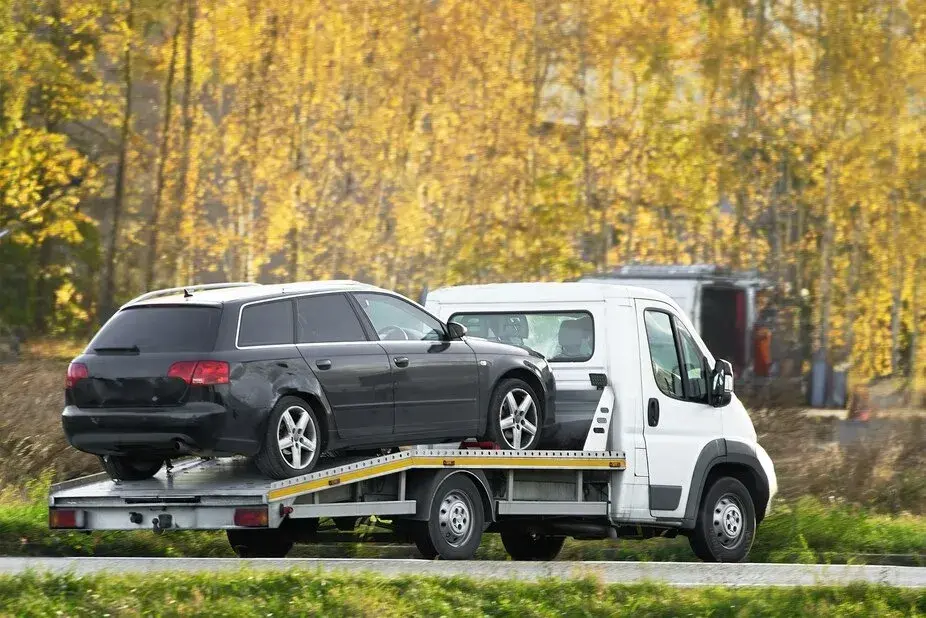
It lifts the entire car off the ground, so the tires never touch the pavement. Because of this lift, there's no scraping, no resistance, nothing dragging behind. Most tow trucks pull by grabbing just the front or back wheels, yet that can twist suspension parts over time. Here, though, the machine rests flat, fully supported. Movement happens without strain. Afterward, steering feels right, alignment stays put, and the drive remains true. What seems minor actually shifts outcomes completely. Towing newer vehicles incorrectly can cause serious damage, especially those with delicate grip control, AWD setups, or parts that sit close to the ground. While many makers clearly say a flatbed is needed - details buried in booklets most never open - a surprising number still drag them by the wheels.
The Hidden Toll of the Dolly Tow
Little gains show up only after days go by. Though towed behind a dolly, the car's body stays safe, but stress still builds up inside the moving parts. Each sensor adjusts slightly out of true. Every mile hauled shifts alignment just barely - too small to see. Lights stay dark, even though something feels off farther down the road. Carrying whole vehicles like freight, flatbeds skip these hidden effects altogether. Not just stopping scrapes - keeping the settings right matters more. Imagine carrying delicate instruments, not couches. That kind requires steady conditions. This one does not.
Beyond Wrecks: Specialized Transport Needs
A vintage Porsche might ride gently on a trailer even for brief moves - rough handling could upset the gearbox. Not just wrecked four-door show up on haulers anymore. Motorcycles glide onto decks more often now, along with cherry classics and high-end imports touched by custom work. When leases mention towing restrictions, flatbeds might be the only option allowed - something clear only after problems start. Equipment like compact tractors or ATVs with big wheels? They sit more easily on open trailers, avoiding awkward pressure on their suspension.
The Flood Factor: When Towing Becomes Mandatory
A closer look shows something people miss. Right after trucks fail, most requests for Flatbed tow service come - typically because insurers say so, within just a few hours. Still, crashes aren't the only thing driving up need. Conditions outside matter more than anyone notices. When rain lasts too long, water rises and reaches sensitive electronics tucked under the frame - a spot often harmed in modern SUVs. When water gets inside, failure might not show right away. Starting an engine full of liquid can lock it up fast - because fluid does not compress like air. After such locking occurs, any turning of the parts only worsens the damage beneath the surface. Moving under own power? That idea fades once mechanics weigh in. The tow truck shifts from option to requirement simply because machines respond differently when flooded.
Night Rescues and Structural Integrity
Darkness brings a shift. As light fades, highway rescues climb because tired drivers have more difficulty seeing. Exits become risk spots - wet roads catch trucks turning sharp, their trailers swinging wide. Old-style recovery tools fail today's cars; built-in strength points are missing, leaving hooks nothing solid to grab. Older chains meant for steel frames might squash today's softer aluminum parts on light builds. Instead, flatbeds skip that problem altogether. Nothing bolts or clamps into place. Pulling a car up with a winch lands it directly on the platform, reducing strain on key supports. In mountain route states, using flatbeds first means less arguing later about tow-related damage fixes.
Long-Term Savings vs. Initial Price
Pricing still sits above wheel-lift options. Yet that difference shrinks once you count what's usually overlooked. Mechanics often burn more time figuring out glitches caused by rough hauling. Sudden ABS warnings pop up - sometimes steering feels off, even tire sensors act up - all linked to jolts from being dragged along the road. From time to time, mechanics spot recurring quirks without any official log to collect them. Even so, similar stories popping up everywhere suggest hidden ripple impacts that rarely get logged.
The Insurance Perspective and Legal Risks
Not every insurer demands a Flatbed tow service —yet plenty tweak what they'll pay depending on how you haul—certain plans only back what counts as sensible transport, which leaves room for debate later. When regular towing adds harm that could've been skipped, judges sometimes say no to claims. They often point to vehicle maker rules, saying skipping a flatbed ignores clear advice. Most people never hear about these situations, yet they quietly steer how companies like Flatbed Towing & Wrecker Services act. When it comes to fleets of work vans or rented EVs, a common approach is to approve tow-bed setups in advance to reduce risk.