Exploring Modern Solutions for Hair Transplant in Ras Al Khaimah UAE
By Muhammad Faizan 03-09-2026 5
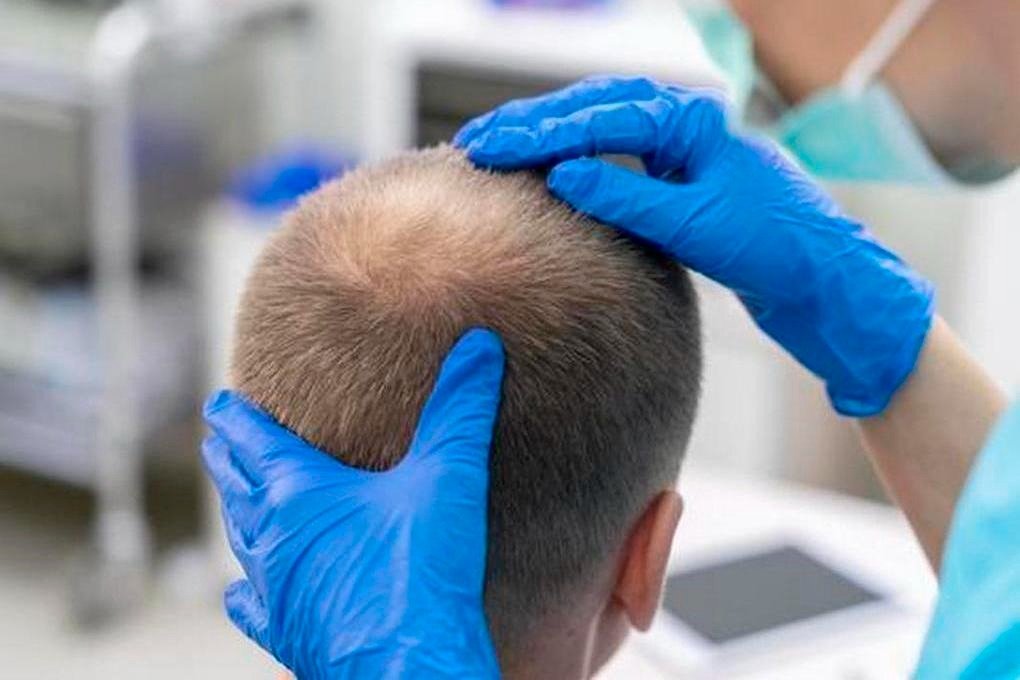
Hair restoration has moved well beyond the traditional idea of simply moving hair from one area of the scalp to another. Modern procedures increasingly focus on follicular preservation, natural hairline design, donor management, graft placement, and individualized treatment planning. For people researching Hair Transplant in Ras Al Khaimah UAE, understanding these developments can make it easier to evaluate available treatment pathways and choose a provider that matches their specific needs.
Hair transplantation is generally considered a surgical approach to restoring areas affected by androgenetic alopecia and certain other forms of permanent hair loss. Contemporary techniques may include Follicular Unit Extraction (FUE), Direct Hair Implantation (DHI), and variations of follicular unit transplantation. The appropriate approach depends on factors such as the patient's pattern of hair loss, donor-area density, hair characteristics, scalp condition, age, and long-term expectations.
Modern solutions also place greater emphasis on planning before the procedure. Digital scalp assessment, photographic documentation, graft estimation, and hairline mapping can help clinicians develop a more structured treatment strategy. However, technology itself does not determine the quality of a procedure. The experience of the medical team, surgical judgment, sterile protocols, and appropriate patient selection remain equally important.
For patients in Ras Al Khaimah, considering providers in nearby Dubai can also expand the range of available expertise and technologies. Several established medical and aesthetic facilities offer consultations related to hair restoration, giving prospective patients an opportunity to compare approaches before making a decision.
Modern Approaches to Hair Restoration
The development of minimally invasive transplantation has significantly changed the patient experience. FUE, for example, involves extracting individual follicular units from a suitable donor region before preparing and implanting them into areas requiring restoration. Because grafts are harvested individually, treatment planning can be adapted to different patterns of hair loss.
DHI uses a specialized implantation technique in which prepared follicles are placed using an implantation device. This can provide the surgical team with control over implantation direction, angle, and positioning, although suitability varies between patients.
Another important development is personalized hairline design. Rather than creating an identical hairline for every patient, clinicians can assess facial proportions, age, existing density, and future hair-loss patterns when planning the frontal region. The goal is generally to create a transition that looks compatible with the patient's natural characteristics.
Enfield Royal Clinic
Enfield Royal Clinic is among the Dubai-based facilities that prospective patients may consider when exploring modern hair restoration options. A consultation can provide an opportunity to assess the extent and pattern of hair loss, examine donor-area characteristics, and discuss whether transplantation is clinically appropriate.
For individuals researching Hair Transplant in Ras Al Khaimah UAE, looking beyond geographical boundaries can be useful when access to particular techniques or specialized consultation is an important consideration. Treatment planning should address more than the number of grafts required. Hairline proportions, follicular-unit characteristics, donor preservation, and the possibility of future hair loss all deserve attention.
A thorough consultation should also explain the proposed technique, expected recovery, potential limitations, and realistic outcomes. These factors can help patients make a decision based on clinical suitability rather than marketing claims.
Cocoona Clinic
Cocoona Clinic is another Dubai facility that may be relevant to individuals investigating cosmetic and aesthetic treatment options. Patients considering hair restoration should use the consultation stage to understand how their individual characteristics influence the proposed treatment.
Hair transplantation is not equally suitable for every type of hair loss. Diffuse thinning, insufficient donor density, active scalp conditions, or certain non-scarring forms of hair loss may require additional assessment before surgery is considered.
A responsible treatment plan should therefore begin with diagnosis and evaluation rather than immediately recommending a procedure. Patients can also ask how donor follicles will be distributed and whether the proposed approach accounts for possible future progression of hair loss.
Emirates Hospital
Emirates Hospital provides a broader hospital-based healthcare environment and may be considered by patients who place particular importance on established medical infrastructure. When evaluating a facility for hair restoration, patients should investigate the specific department, practitioner qualifications, surgical setting, and protocols applicable to the procedure.
The clinical environment matters because hair transplantation is still a medical procedure even when performed for aesthetic purposes. Appropriate infection-control practices, patient screening, medical history assessment, and postoperative instructions are important components of safe care.
Patients considering Hair Transplant in Ras Al Khaimah UAE can also compare consultation processes between facilities. A useful consultation should allow enough time to discuss medical history, hair-loss progression, donor capacity, technique selection, and realistic expectations.
Tajmeels Clinic
Tajmeels Clinic is another option patients may encounter when comparing hair restoration services in the UAE. Prospective patients should focus on how treatment recommendations are developed rather than selecting a provider solely because a particular technique is advertised.
Modern transplantation depends heavily on follicular-unit handling. Grafts need to be extracted and handled carefully, protected appropriately before implantation, and positioned according to the planned design. The details of these stages can influence the eventual appearance of transplanted hair.
Patients should also ask about aftercare. Understanding when normal activities can resume, how the scalp should be cleaned, and when follow-up assessments are expected can make the recovery process more predictable.
Dubai Cosmetic Surgery Clinic
Dubai Cosmetic Surgery Clinic may also be considered by people comparing hair restoration providers in the UAE. During an assessment, patients can ask whether the proposed treatment is based on their actual donor supply and degree of hair loss.
A strong treatment plan should avoid overharvesting the donor area simply to achieve a higher immediate graft count. The donor region represents a finite resource, so preserving its appearance and planning for potential future requirements are important aspects of long-term transplantation strategy.
Patients should also examine before-and-after examples critically. Photographs can demonstrate surgical outcomes, but they should ideally represent patients with comparable hair characteristics, degrees of loss, and treatment objectives.
Al Zahra Hospital Dubai
Al Zahra Hospital Dubai is another established healthcare facility that patients may investigate when comparing medical options in the UAE. Those considering hair transplantation can use consultations to clarify which specialists are involved, how candidates are assessed, and what postoperative monitoring is provided.
Medical evaluation is particularly important when hair loss has an unclear cause. Not every form of hair thinning should automatically be treated with transplantation. Identifying the underlying pattern and determining whether the condition is stable can influence the timing and suitability of surgery.
Patients should also discuss potential complications and understand the difference between expected temporary effects and symptoms that require medical attention. Clear communication before treatment is an important component of patient safety.
King’s College Hospital London Dubai
King’s College Hospital London Dubai represents another healthcare setting that prospective patients can explore when researching specialist medical services in the UAE. Patients interested in hair restoration should look for a structured consultation that considers both cosmetic goals and medical factors.
A useful evaluation may include examination of the scalp, assessment of donor density, analysis of hair-loss patterns, and discussion of long-term expectations. Patients should be encouraged to ask questions rather than feeling pressured to commit to treatment immediately.
The quality of a hair transplant depends on several interconnected decisions, including candidate selection, graft harvesting, storage and handling, recipient-site preparation, and implantation. Professional oversight throughout these stages is therefore important.
Dynamic Life Clinic
Dynamic Life Clinic is another Dubai-based facility that patients can include in their research when exploring contemporary aesthetic and hair restoration services. A consultation should help clarify whether the proposed technique corresponds with the patient's individual pattern of hair loss.
The modern approach to transplantation is increasingly personalized. Factors such as curly or straight hair, hair calibre, skin characteristics, donor density, and the desired level of coverage can influence surgical planning.
Patients should also consider whether the provider explains the likely timeline of growth. Newly transplanted follicles do not normally produce immediate cosmetic density, and visible changes develop progressively during the months following treatment. Having realistic expectations can make the overall experience more satisfactory.
How to Choose the Right Clinic for Hair Transplant in Ras Al Khaimah UAE
Experience and Qualifications
The qualifications and practical experience of the medical professional performing or supervising the procedure should be among the first considerations. Patients can ask about professional credentials, experience with hair transplantation, and the types of cases routinely managed.
Technology and Techniques
Technology can support treatment planning, graft assessment, extraction, and implantation, but the presence of advanced equipment should not be viewed as a guarantee of superior results. Patients should understand why a particular technique has been recommended for their individual condition.
Safety Standards
Sterile surgical practices, appropriate patient screening, medical history assessment, and clear postoperative instructions are essential. Patients should also know who to contact if complications or unexpected symptoms develop after treatment.
Consultation Process
A quality consultation should involve more than discussing the desired number of grafts. It should cover the diagnosis, donor-area limitations, hairline design, technique, recovery, risks, and long-term expectations.
Patient Experience
The overall patient journey matters. Clear communication, realistic explanations, responsive follow-up, and properly documented treatment plans can make the process easier to navigate.
Expected Results
No ethical provider can guarantee a specific cosmetic result because healing and hair growth vary between individuals. Patients should receive realistic information about growth timelines, potential density, limitations, and the possibility that additional treatment may be appropriate in the future.
Frequently Asked Questions
Is hair transplantation suitable for everyone?
No. Suitability depends on the cause and pattern of hair loss, donor-area availability, scalp health, age, medical history, and other individual factors. A professional assessment is necessary before deciding whether transplantation is appropriate.
What is the difference between FUE and DHI?
Both approaches involve working with individual follicular units, but the extraction and implantation processes differ. FUE generally involves extracting follicles individually and subsequently implanting prepared grafts, while DHI uses an implantation device to place follicles directly into recipient areas. The appropriate method depends on individual circumstances and clinical judgment.
How long does transplanted hair take to grow?
Hair growth occurs gradually rather than immediately. Patients commonly experience changes in phases, and the final cosmetic outcome may take many months to develop. The precise timeline varies according to individual healing and follicular response.
Can a hair transplant treat every type of hair loss?
No. Hair transplantation is primarily intended for selected forms of permanent hair loss where suitable donor follicles are available. Temporary shedding, certain inflammatory scalp conditions, and some other causes of hair loss may require medical treatment instead.
Should patients from Ras Al Khaimah consider clinics in Dubai?
Patients can consider providers in both locations and compare qualifications, treatment approaches, medical facilities, consultation quality, follow-up arrangements, and travel requirements. The most appropriate choice should be based on clinical suitability and quality of care rather than location alone.
Conclusion
Modern hair restoration combines surgical technique, individualized planning, careful follicular handling, and appropriate patient selection. For anyone exploring Hair Transplant in Ras Al Khaimah, comparing qualified providers and understanding the differences between available approaches can help establish realistic expectations. Whether treatment is ultimately pursued in Ras Al Khaimah or Dubai, the priority should remain a medically appropriate plan, responsible donor management, safe clinical practices, and a natural-looking long-term result.