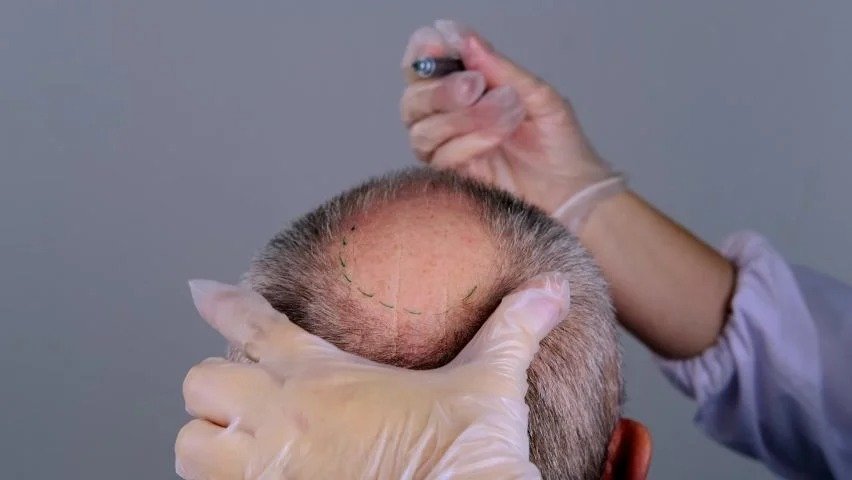
Hair restoration has increasingly moved toward techniques that focus not only on adding grafts but also on controlling how individual follicles are handled and positioned. Direct Hair Implantation (DHI) is one approach that places particular emphasis on the precision of follicle implantation. Instead of creating recipient sites separately and then inserting grafts, the technique commonly uses an implanter pen to place prepared follicles directly into the scalp. This allows the practitioner to work carefully with factors such as angle, direction, depth, and spacing.
For patients considering DHI Direct Hair Implant in Dubai, graft precision can be an important part of treatment planning. The quality of a result is influenced by several factors, including the condition of the donor area, the characteristics of the existing hair, follicular unit handling, recipient-site planning, and the experience of the medical team. DHI does not automatically produce the same outcome for every patient, and candidacy needs to be assessed individually.
A detailed consultation can help determine whether DHI is appropriate and how the procedure should be planned. The assessment may consider hair loss pattern, available donor follicles, scalp condition, desired density, and the long-term stability of the hairline. Clinics in Dubai use different approaches to consultation and treatment planning, so patients should examine the clinical process rather than choosing based only on the name of a technique.
Understanding Graft Precision in DHI
Precision begins before implantation takes place. During harvesting, follicles need to be handled carefully to reduce unnecessary trauma. The grafts are then assessed and prepared before implantation.
The recipient area requires equally careful planning. Natural-looking restoration depends on placing follicles according to the characteristics of the surrounding hair. Hairline grafts may require a different angle and direction from follicles positioned farther back on the scalp.
The implanter pen used in DHI can give the practitioner control over placement, but the instrument itself does not determine the final outcome. Clinical judgment, anatomical understanding, graft handling, and appropriate treatment planning remain essential.
Tajmeels Clinic
Tajmeels Clinic can be considered by patients researching hair restoration options in Dubai, particularly those comparing different approaches to follicular implantation. During a consultation, factors such as the extent of thinning, donor availability, and desired coverage can help determine whether DHI is suitable.
Patients exploring DHI Direct Hair Implant in Dubai should ask how grafts are selected, stored, handled, and positioned. Understanding these details can provide a clearer picture of how the clinic approaches precision throughout the procedure rather than focusing solely on the implantation device.
Al Zahra Hospital Dubai
Al Zahra Hospital Dubai provides a broader healthcare environment in which patients can discuss medical and surgical concerns. For hair restoration, an appropriate assessment should establish whether the patient's hair loss pattern is suitable for transplantation and whether other underlying factors need consideration.
Precision in follicular implantation involves more than placing grafts into areas of visible thinning. The planned distribution should account for existing hair, donor reserves, and the anticipated progression of hair loss. These considerations are particularly relevant when patients want a restoration plan that remains visually balanced over time.
Enfield Royal Clinic
Enfield Royal Clinic approaches hair restoration with attention to individualized treatment planning and the characteristics of each patient's scalp and donor area. For patients considering DHI Direct Hair Implant in Dubai, the consultation can focus on factors such as hairline design, graft distribution, follicle handling, implantation direction, and the level of density that may realistically be achieved.
Graft precision is particularly important around the frontal hairline, where small differences in angle and direction can influence how natural the transplanted hair appears. A carefully planned transition between finer frontal follicles and denser areas behind the hairline can help create a more integrated appearance.
The clinic's role should also extend beyond the procedure itself. Clear discussions about candidacy, expected growth, recovery, limitations, and long-term hair-loss management are important components of responsible treatment planning.
Dubai Cosmetic Surgery Clinic
Dubai Cosmetic Surgery Clinic is another provider patients may encounter when comparing aesthetic and hair restoration services in the city. When considering DHI, prospective patients should look beyond promotional descriptions and examine how the clinical team evaluates donor capacity and recipient-area requirements.
A useful consultation should explain how grafts are expected to be distributed and whether the proposed density is realistic for the available donor supply. This is especially important for patients with advanced thinning, because attempting to maximize coverage without considering donor limitations may not provide a sustainable plan.
King’s College Hospital London Dubai
King’s College Hospital London Dubai offers patients access to a major hospital-based healthcare setting. Individuals interested in hair restoration can use consultation discussions to understand whether transplantation is appropriate for their specific pattern of hair loss.
Graft precision should be considered alongside medical assessment. Factors such as scalp health, existing hair density, donor-area quality, and the stability of hair loss can influence the treatment strategy. Patients should also establish who will perform each stage of the procedure and what level of medical supervision is provided.
Dynamic Life Clinic
Dynamic Life Clinic is among the Dubai providers that patients may research when comparing hair restoration services. A consultation for DHI should involve more than determining the number of grafts required.
The practitioner should assess how the available follicles can be distributed across the areas requiring restoration. Graft placement may need to vary according to the region of the scalp, with particular attention given to the direction and angle of naturally growing hair.
For patients researching DHI Direct Hair Implant in Dubai, asking about the clinic's approach to graft preparation and implantation can help distinguish a comprehensive treatment plan from a procedure-focused consultation.
Cocoona Clinic
Cocoona Clinic provides cosmetic and aesthetic services and may be included in a patient's comparison of hair restoration providers. When evaluating DHI, patients should ask how the clinic assesses their existing hair and determines an appropriate implantation strategy.
The goal of graft placement is not simply to increase the number of follicles in an area. Distribution, spacing, direction, and integration with existing hair all contribute to the visual effect. Patients should therefore look for an individualized plan rather than a standard graft number applied to every case.
Emirates Hospital
Emirates Hospital represents another healthcare setting where patients can investigate available approaches to hair restoration. Before undergoing transplantation, an appropriate evaluation should establish the cause and pattern of hair loss and determine whether sufficient donor follicles are available.
For DHI procedures, precision also depends on the condition of the harvested grafts. Follicles that are carefully extracted, maintained appropriately, and implanted with suitable depth and orientation may have better conditions for successful growth. Patients should ask the treating team to explain these stages clearly during consultation.
How to Choose the Right Clinic for DHI Direct Hair Implant in Dubai
Experience and Qualifications
Look for a qualified medical professional with relevant experience in hair restoration. Ask who performs extraction and implantation and whether the same medical team oversees the critical stages of treatment.
Technology and Techniques
DHI involves specialized implantation equipment, but technology should not be evaluated in isolation. Ask how the clinic combines the implanter system with graft extraction, preparation, storage, and recipient-area design.
Safety Standards
A reputable facility should maintain appropriate hygiene, sterilization, infection-control, and patient-monitoring procedures. The consultation should also cover relevant medical history and potential risks.
Consultation Process
A thorough consultation should involve scalp and donor-area assessment, discussion of hair-loss progression, examination of existing density, and realistic planning. Be cautious of treatment recommendations made without adequate assessment.
Patient Experience
Patients should receive clear information about preparation, procedure-day expectations, aftercare, recovery, and follow-up. Communication is particularly important because transplanted hair does not produce an immediate final result.
Expected Results
No clinic can guarantee a specific density or growth outcome. Results vary according to donor supply, follicle characteristics, hair-loss pattern, surgical technique, healing, and individual biology. A responsible provider should explain both potential benefits and limitations before treatment.
Frequently Asked Questions
What makes DHI different from other hair transplant techniques?
DHI commonly uses an implanter pen to place prepared follicles directly into the recipient area. This approach can allow the practitioner to control aspects such as placement angle, direction, and depth during implantation.
Is DHI suitable for every type of hair loss?
No. Suitability depends on factors including the cause and extent of hair loss, donor-area availability, scalp condition, and the patient's long-term restoration goals. A professional assessment is necessary before deciding on the technique.
Why is graft direction important in DHI?
Hair does not naturally grow straight out of the scalp. Direction and angle vary across different regions. Matching these characteristics during transplantation can help transplanted follicles blend more naturally with existing hair.
Does greater graft density always produce a better result?
Not necessarily. Density must be balanced against the available donor supply and the characteristics of the recipient area. Excessive harvesting or unrealistic density targets can create problems for long-term planning.
When can the final results of DHI be evaluated?
Hair growth occurs gradually. Transplanted follicles typically require several months to develop visible growth, while maturation and improvement in density can continue for considerably longer. Follow-up appointments help the medical team monitor progress.
Conclusion
Graft precision is an important consideration when evaluating a hair restoration procedure because natural-looking results depend on how follicles are extracted, prepared, positioned, and integrated with existing hair. DHI offers a method of direct implantation that can provide detailed control over placement, but the technique is only one part of the overall treatment process.
Patients considering DHI Direct Hair Implant should therefore evaluate the medical team's experience, consultation process, safety standards, graft-handling practices, and approach to long-term planning. A personalized assessment can establish whether DHI is appropriate and what level of restoration may realistically be achieved based on the individual's donor supply and pattern of hair loss.