Expert Guide to Restoring Mid-Century Teak Without Damage
By Mid Century Modern Restoration Man 08-05-2026 49
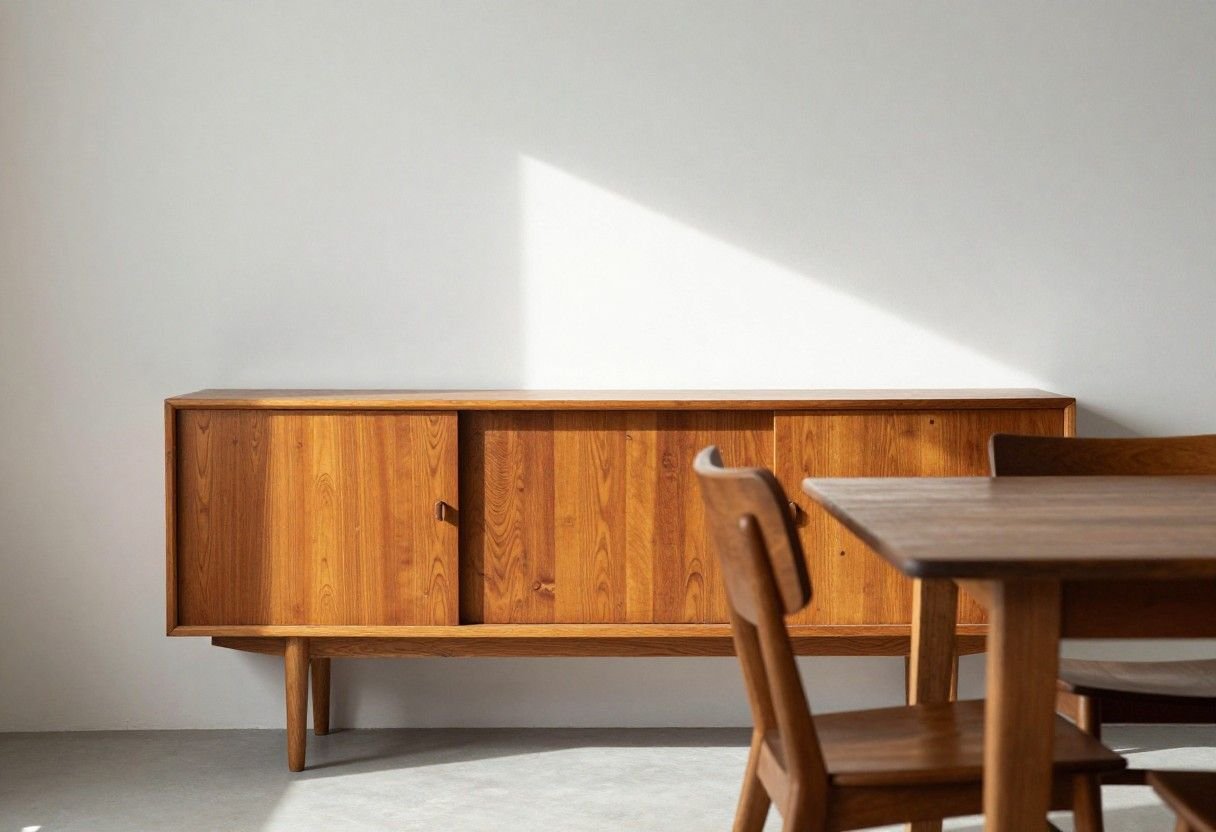
Mid-century teak furniture is one of the most admired styles in interior design, known for its warm tones, clean lines, and timeless appeal. Whether you’ve inherited a vintage piece or purchased a worn classic, restoring it properly requires care, patience, and the right knowledge. Done incorrectly, you can permanently damage the wood’s natural finish and reduce its value. Done correctly, you can bring it back to life while preserving its original charm.
This guide walks you through expert-approved methods for restoring midcentury modern furniture safely, with a focus on teak and other fine hardwoods commonly found in MCM furniture collections.
Understanding Teak in Mid-Century Furniture
Teak is a dense hardwood rich in natural oils, which makes it highly durable and resistant to moisture. This is why it was a favorite material in midcentury modern furniture design during the 1940s–1970s.
Unlike many other woods, teak does not require heavy varnishing. In fact, over-finishing or sanding too aggressively can strip away its protective oils. Over time, untreated teak naturally develops a silver-grey patina, which many collectors appreciate. However, if you prefer the warm golden-brown tone, restoration can bring it back beautifully.
When dealing with furniture restoration Melbourne specialists often emphasize one rule: preserve the original wood as much as possible. The goal is enhancement, not replacement.
Step 1: Careful Assessment Before Restoration
Before touching a single tool or product, inspect the piece thoroughly. Restoration success depends on understanding what you’re working with.
Check for:
- Surface scratches or stains
- Loose joints or structural damage
- Old finish layers (oil, varnish, wax)
- Water rings or sun fading
- Previous repair work
This step helps determine whether your midcentury modern furniture needs a light refresh or a full restoration process. Many pieces only require cleaning and oiling, not sanding or refinishing.
Take photos before starting so you can track progress and maintain original design accuracy.
Step 2: Gentle Cleaning Without Stripping the Wood
Cleaning is one of the most misunderstood steps in restoring mcm furniture. Harsh chemicals or abrasive scrubbing pads can permanently damage teak surfaces.
Instead, use a gentle approach:
- Mix warm water with a small amount of mild soap
- Use a soft microfiber cloth
- Wipe along the grain, not against it
- Dry immediately to avoid moisture absorption
For stubborn grime, a soft-bristle brush can be used lightly. Avoid soaking the wood, as even teak can suffer if water penetrates joints over time.
Professional furniture restoration Melbourne experts often recommend cleaning multiple times in light passes rather than one aggressive attempt.
Step 3: Removing Old Finish the Safe Way
Many mid-century pieces have layers of aged oil, wax, or varnish that dull the natural grain. Removing these layers must be done carefully.
There are two safe methods:
1. Mild solvent cleaning
Use a specialized teak cleaner or mineral spirits to dissolve old wax buildup. Apply lightly with a cloth and wipe away residue immediately.
2. Very light sanding (only if necessary)
If the surface is heavily damaged, use ultra-fine sandpaper (320–400 grit). Always sand along the grain and avoid deep pressure.
The biggest mistake people make with midcentury modern furniture restoration is over-sanding. This removes the patina and reduces the piece’s authenticity.
Step 4: Repairing Damage Without Overworking the Piece
Once the surface is clean, assess structural issues. Teak furniture is strong, but age can weaken joints or cause cracks.
Common repairs include:
- Loose chair or table joints
- Small veneer lifts
- Minor surface cracks
- Drawer misalignment
For loose joints, wood glue and gentle clamping are often enough. Veneer repairs require patience—lifted edges should be re-adhered carefully rather than replaced unless absolutely necessary.
A key principle in mcm furniture restoration is maintaining originality. Replacing too much material reduces historical value and aesthetic authenticity.
Step 5: Restoring the Natural Finish of Teak
This is where the furniture begins to regain its beauty.
Teak does not require heavy varnish. Instead, restoration usually involves oiling to revive its natural glow.
Recommended finishing approach:
- Apply teak oil or Danish oil in thin layers
- Use a soft cloth to rub it into the grain
- Allow 15–20 minutes absorption time
- Wipe off excess oil
- Repeat for deeper richness (2–3 coats maximum)
This process enhances the grain while preserving breathability. Over-oiling can lead to a sticky surface, so moderation is key.
In furniture restoration Melbourne workshops, professionals often prefer oil finishes over polyurethane because they maintain the original mid-century aesthetic.
Step 6: Long-Term Care and Preservation
Restoration doesn’t end when the piece looks new—it continues with proper care.
To maintain your restored midcentury modern furniture:
- Keep it out of direct sunlight
- Avoid placing near heaters or AC vents
- Dust regularly with a soft cloth
- Re-oil every 6–12 months depending on usage
- Use coasters and mats to prevent stains
Teak is resilient, but consistent care ensures it retains its warmth and character for decades.
Common Mistakes to Avoid
Even experienced DIY restorers make mistakes that can permanently damage valuable pieces. Here are the most critical ones:
1. Over-sanding
This removes the natural patina and reduces historical value.
2. Using harsh chemicals
Bleach or ammonia-based cleaners can dry out teak and cause discoloration.
3. Over-finishing
Thick varnish layers hide the grain and destroy the mid-century look.
4. Ignoring structural issues
Cosmetic restoration without fixing joints leads to long-term instability.
5. Rushing the process
Quality restoration takes time. Each layer—cleaning, repairing, finishing—needs proper attention.
Why Professional Restoration Matters
While DIY restoration can be satisfying, professional expertise becomes essential for high-value or heavily damaged pieces.
Experts in furniture restoration Melbourne understand:
- Historical construction techniques of mid-century furniture
- How to preserve original veneers and joints
- Proper oil and finish combinations for teak
- Structural reinforcement without altering design
Professionals also ensure the balance between restoration and preservation is maintained. Over-restoring can sometimes reduce a piece’s authenticity, especially in collectible mcm furniture.
Final Thoughts
Restoring teak midcentury modern furniture is both an art and a science. The goal is not to make it look brand new but to revive its original beauty while respecting its history. With the right techniques—gentle cleaning, careful repair, and natural finishing—you can preserve the character that makes these pieces so iconic.
Whether you’re working on a family heirloom or a vintage market find, patience and precision will always deliver the best results. And when in doubt, consulting a restoration expert ensures your furniture continues to tell its story for generations to come.
Tags : .....