Expanding Sewage Networks Are Reinforcing Poland’s Need for Reliable Pumping Systems
By Adam Williamson 08-10-2026 19
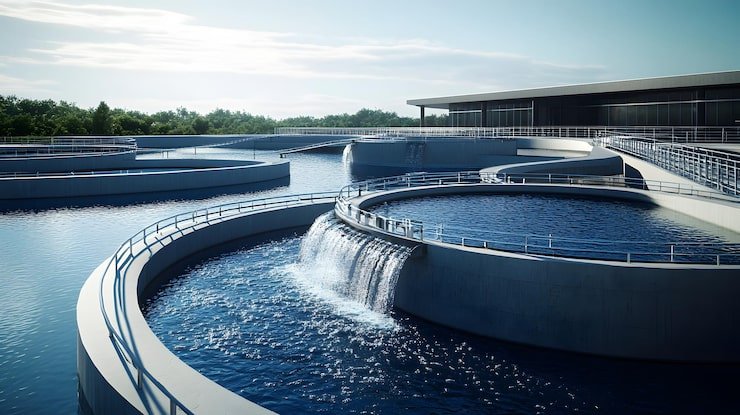
Poland’s water and wastewater infrastructure continues to evolve as municipalities expand sewerage networks, improve household connections, modernize treatment systems, and strengthen the reliability of essential public services. Pumps are fundamental throughout this infrastructure, moving drinking water through distribution systems and transferring sewage, wastewater, sludge, and stormwater through collection and treatment facilities.
According to a Vyansa Intelligence report, the Poland water & wastewater pump market was valued at USD 100 million in 2025 and is projected to reach USD 110 million by 2032, representing a 1.37% CAGR during 2026–2032.
Sewage Network Expansion Creates Equipment Requirements
Poland continues to expand its sewage infrastructure. Statistics Poland reported that the country’s sewage network reached approximately 190,800 kilometres at the end of 2025 after expanding by around 5,000 kilometres during the year.
The number of sewage connections to residential buildings also increased, reaching approximately 4.2 million.
For a Poland water & wastewater pump market analysis, this infrastructure expansion is directly relevant. Larger networks can require additional pumping stations where gravity-based movement is insufficient, while the growing installed base creates continuing requirements for equipment servicing and eventual replacement.
Wastewater Pumps Operate Under Demanding Conditions
Wastewater pumping presents technical challenges that differ substantially from clean-water distribution. Municipal sewage can contain solids, fibres, abrasive materials, and other substances that increase the potential for blockages and component wear.
Pump manufacturers therefore need to consider solids-handling capability, impeller configuration, corrosion resistance, sealing arrangements, and maintenance accessibility.
These detailed industry insights demonstrate why equipment selection needs to reflect the characteristics of the fluid and the operating environment rather than simply required flow rates.
Rural Infrastructure Creates Distinct Pumping Needs
Poland’s sewage infrastructure is not concentrated entirely in major cities. Official national statistics show substantial network infrastructure in rural areas, making decentralized and regional water management an important consideration.
Lower population density can create different engineering requirements compared with densely populated urban areas. Longer distances between users and treatment facilities may require carefully designed pumping stations and collection networks.
Equipment reliability can be particularly important in remote installations where emergency maintenance may take longer to organize.
Municipal Infrastructure Requires Continuous Modernization
Expanding networks represent only one part of Poland’s infrastructure requirements. Existing pumping stations, treatment facilities, pipes, motors, and control systems also require maintenance and modernization as equipment ages.
Statistics Poland’s municipal infrastructure reporting tracks water-supply and sewage systems, network density, connections, wastewater discharge, and the population served by these services. This illustrates the extensive physical infrastructure required to maintain municipal water services across the country.
For a water & wastewater pump industry report, replacement demand can therefore be as relevant as installations associated with new network construction.
Energy Efficiency Influences Lifecycle Costs
Pumps can operate for long periods, making electricity consumption an important part of total ownership costs. Even relatively small efficiency improvements can become meaningful when multiplied across years of continuous operation.
Correct pump sizing, efficient motors, variable-frequency drives, and hydraulic optimization can reduce unnecessary energy use.
Variable-speed operation is especially useful where water or wastewater flows change during the day. Instead of continuously operating at maximum output, equipment can respond more closely to actual system requirements.
Digital Monitoring Can Improve Pump Reliability
Water infrastructure is increasingly suitable for digital monitoring. Sensors can provide continuous information about flow, pressure, vibration, temperature, and electricity consumption.
Operators can use this information to identify abnormal conditions before they result in major equipment failures. A sudden increase in vibration, for example, could indicate mechanical deterioration requiring inspection.
The latest industry analysis therefore extends beyond conventional pump hardware. Monitoring systems, automated controls, and predictive maintenance capabilities can increasingly contribute to overall equipment value.
Water Distribution Requires Pressure Management
Clean-water systems have different operating priorities from wastewater infrastructure. Utilities need to maintain sufficient pressure to provide reliable service without creating excessive stress on pipelines.
Pumping systems integrated with pressure sensors and variable-speed controls can respond more precisely to changing consumption patterns.
Improved pressure management can also support efficient network operation, particularly where infrastructure serves areas with varying elevations and population densities.
Wastewater Treatment Adds Multiple Pump Applications
Pumps are required at several stages of wastewater treatment rather than only for transferring sewage into a plant. Depending on facility design, equipment can be used for internal process flows, sludge movement, drainage, and treated-water discharge.
Different applications can require different pump configurations. Sludge handling, for example, creates different hydraulic and mechanical requirements from transferring relatively clean treated effluent.
This diversity provides opportunities for specialized equipment designed around specific operating conditions.
Maintenance Services Become More Important as Networks Expand
Poland’s expanding water and sewage infrastructure increases the number of assets that utilities need to maintain. Pumping equipment eventually requires inspection, replacement components, repairs, motor servicing, and control-system upgrades.
For a water & wastewater pump market research report, this creates opportunities beyond new-equipment sales. Technical support, spare parts, predictive maintenance, refurbishment, and lifecycle services can become increasingly valuable as the installed equipment base grows.
Reliable service networks can also reduce downtime where pumping stations perform critical municipal functions.
Efficient Pumping Will Support Poland’s Infrastructure Development
Poland’s continued expansion of sewage networks demonstrates the country’s ongoing investment in municipal water infrastructure. At the same time, existing assets need modernization to maintain dependable service and improve operational efficiency.
Pump suppliers that combine reliable hydraulic performance with energy-efficient motors, solids-handling capabilities, variable-speed operation, digital monitoring, and accessible maintenance can respond to these requirements.
As Poland continues improving water supply and wastewater services, pumping systems will remain essential to connecting households with treatment infrastructure and maintaining efficient water movement across both urban and rural communities.