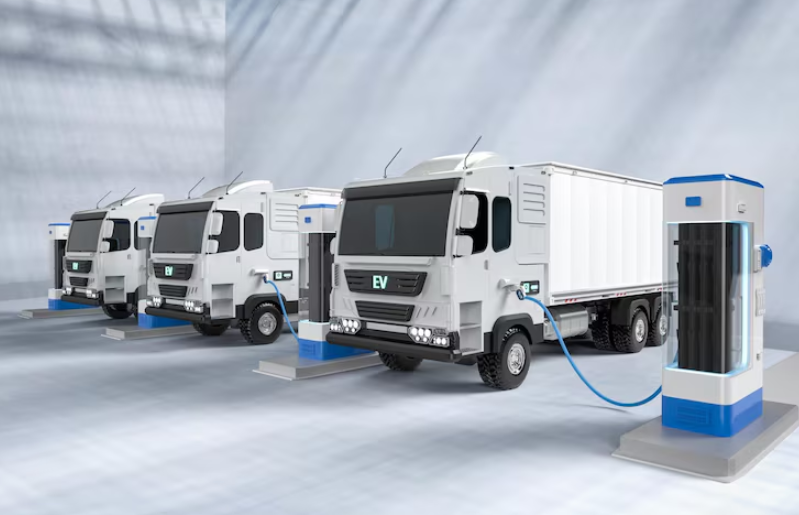
More delivery vans and trucks now run on batteries instead of fuel. This change means warehouses must add new equipment to keep these vehicles running. Putting charging points in a busy warehouse needs careful thought.
The system must handle many vehicles without slowing down work. The installation of EV charger units in these spaces helps fleets stay ready for each day's deliveries. This guide covers what managers need to know when adding this technology to their sites.
Why Warehouses Need Charging Stations
Logistics centres serve as home bases for delivery fleets. Vehicles return here after routes, and they need power for the next day.
Supporting Fleet Operations
Electric vans and trucks need to start their work period with completely charged batteries. The warehouse enables this operation through its charging facilities. The fleet vehicles need power at their locations because they cannot operate without it to finish their scheduled routes. The building serves as an essential element which people use to manage their daily activities.
Meeting Sustainability Goals
Many companies now aim to cut their carbon output. Switching to electric transport helps meet these targets. Charging stations at the warehouse show a real commitment to cleaner operations. This commitment matters to customers who care about the environment.
Planning the Installation
Effective planning prevents problems later. The first step involves looking at what the site needs now and in future years.
Assessing Power Needs
Warehouses use a lot of electricity already for lights and machines. Adding chargers pulls more power from the grid. Managers must verify if the current supply can handle the extra load. A professional survey shows what upgrades the site requires.
Understanding Fleet Patterns
Different fleets have different schedules. Some vehicles return at night and park until morning. Others make multiple trips and need quick charges between runs. The charger types must match these patterns. Slow overnight chargers work for some, while fast chargers suit others.
Future-Proofing the Setup
Fleets grow over time. More electric vehicles will arrive as years pass. Installing extra capacity now saves money later. Leaving space for more chargers during the first build makes expansion straightforward when the time comes.
Types of Charging Equipment
Not all chargers work the same way. Choosing the right kind depends on how vehicles use the site.
AC Chargers for Overnight Stays
These units deliver power slowly but steadily. They work well for vehicles that park for hours. Overnight charging fills batteries by morning without straining the grid. These units cost less to install and suit depots where vehicles rest.
DC Fast Chargers for Quick Turnarounds
These units pump power fast. A vehicle can gain a significant range in under an hour. These help when trucks return midday and need to head out again. The equipment costs more and pulls heavy power, but it keeps vehicles on the road longer.
Smart Charging Systems
Modern chargers connect to software that manages power use. The system can delay some vehicles while others charge based on departure times. This prevents the whole site from drawing too much power at once. Smart systems also track energy use for reporting.
Physical Setup Considerations
Where chargers go matters as much as what kind they are. The layout affects how smoothly the warehouse runs.
Location Near Parking
Chargers should sit where vehicles already park. Long cables running across lanes create trip hazards and get damaged. Putting units at the head of each bay keeps things neat. Drivers plug in easily when they return from routes.
Weather Protection
Warehouse yards sit outside in all weather. Chargers need protection from rain and sun. Some units come weatherproof, while others need covers. Keeping connections dry prevents electrical faults and keeps chargers working.
Cable Management
Running over cables left on the ground causes them to wear out. Overhead reels keep them up and out of the way. This extends cable life and keeps the yard safe for people walking. Good cable management also looks professional.
Electrical Infrastructure Upgrades
Most warehouses need work on their electrical systems before adding chargers. Knowing what changes may come helps with planning.
Transformer Capacity
The main transformer bringing power to the site has limits. Adding many chargers may exceed what it can handle. Upgrading to a larger transformer provides room for growth. Engineers calculate the total load to see if upgrades are needed.
Distribution Panels
New circuits need space in electrical panels. Old panels may lack room for extra breakers. Adding sub-panels near charging areas keeps wiring runs short. This approach cuts installation costs and makes future changes easier.
Conduit and Wiring
Running cable from panels to chargers takes planning. Trenches through yards or overhead lines both work. Conduit protects wires from damage and allows for future pulls. Installing extra empty conduit now lets you add more chargers later without digging again.
Safety and Compliance
Rules exist to keep people and equipment safe. Following them protects everyone and avoids fines.
Electrical Codes
Local rules spell out how to install chargers correctly. Licensed electricians know these rules and follow them. Grounding and circuit protection must meet standards. Inspections confirm the work meets requirements before use.
Vehicle Movement Safety
Trucks and vans move around yards constantly. Chargers that are placed in traffic paths risk being hit. Bollards protect units from accidental bumps. Bright markings make them visible even in low light.
Emergency Procedures
Workers need to know what to do if problems happen. Training covers how to stop charging in an emergency. Signs show shut-off locations clearly. First aid kits near charging areas handle any minor issues.
Managing the System Day to Day
Once installed, the system needs oversight. Effective management keeps everything running smoothly.
Scheduling and Access
Not all vehicles need to charge every night. A booking system ensures everyone receives power when required. Software tracks who uses which spot and for how long. This system prevents arguments and shares resources fairly.
Maintenance Routines
Chargers need regular checks like any equipment. Cleaning connectors keeps contact points working well. Software updates address bugs and add features. A schedule for these tasks prevents unexpected breakdowns.
Energy Cost Control
Electricity costs vary by time of day. Charging during off-peak hours saves money. Smart systems can delay charging until rates drop. This cuts operating expenses without affecting morning readiness.
Conclusion
Adding charging stations to warehouses supports the shift to electric delivery fleets. The EV charger home installation cost differs from commercial sites, but businesses must plan carefully for their needs. Power checks, equipment choices, and layout all affect success.
With proper planning, warehouses become reliable home bases for electric fleets. Vehicles start each day full and ready to serve customers. The investment in the installation of EV charger units pays off through smoother work and lower emissions. For logistics centres looking ahead, this tech prepares them for the future of transport. Proper EV charger installation for logistics warehouses keeps fleets charged and ready for every delivery route.
Frequently Asked Questions
How long does it take to install chargers at a warehouse?
The time varies based on site needs. Simple jobs take weeks, while complex ones needing power upgrades may take months from start to finish.
Can old electrical systems handle new chargers?
Many older sites need upgrades before adding chargers. A site check shows what the current system can handle and what improvements it needs.
What care do commercial chargers need?
Regular cleaning, software updates, and connection checks keep chargers working well. Following maker guides and scheduling checks prevents surprise breakdowns.
Do chargers work with all electric van models?
Most commercial chargers use standard plugs that fit common van types. Checking fit before install ensures vehicles can plug in without extra parts.
How do warehouses handle charging for mixed fleets?
Smart systems share power based on vehicle needs and leave times. This handles different battery sizes and schedules without overloading the power supply.
Tags : ev charger