Understanding ECoCr Hardfacing Electrodes
Continuous wear gradually damages heavy industrial components, from crusher jaws and grinding rolls to steam valve seats. The answer to this problem is hardfacing electrodes. They apply a robust, wear-resistant alloy coating right onto the working surfaces of metal. This simple method will greatly extend the life of the equipment without having to pay for the cost of replacing the complete portion.
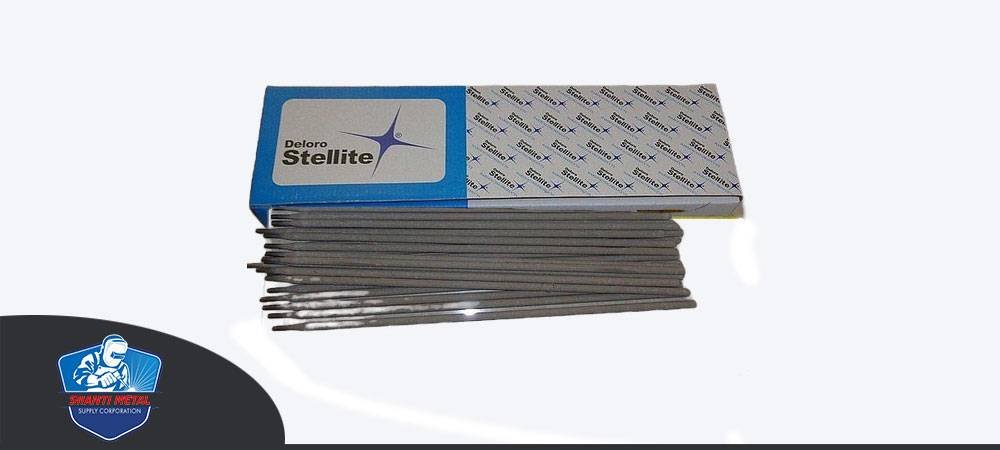
When dealing with extreme environments, cobalt alloy welding electrodes provide the ultimate protection. Cobalt-based hardfacing solutions are ECoCr-A vs ECoCr-B electrodes that deposit a durable cobalt-chromium-tungsten matrix on base metals. The main difference between them is the carbide content, which directly influences hardness, toughness and specific wear behaviour. These Stellite type deposits on working surfaces are used in heavy sectors such as mining, cement, steel, valve manufacturing and power generation to protect essential equipment from heat, severe chemical corrosion and persistent metal-to-metal friction.
What is an ECoCr-A Electrode?
ECoCr-A is a cobalt-chromium-tungsten hardfacing electrode designed to deposit a moderate-hardness alloy layer that balances impact resistance with sliding wear protection. Its high cobalt and chromium content prevents high-temperature oxidation and thermal cracking up to 800°C, making the deposit easy to machine. However, it wears faster than higher-carbide grades in severe mineral abrasion and carries higher material costs than iron-based hardfacing options.
What is an ECoCr-B Electrode?
ECoCr-B carries higher tungsten carbide content, which pushes hardness into the 46–55 HRC range. That additional carbide volume translates directly into abrasion resistance against hard particles, reduced metal-to-metal wear, and longer service intervals in sliding contact applications.
The higher carbide content also increases brittleness. ECoCr-B deposits tolerate far less impact than ECoCr-A before microcracking initiates at the carbide-matrix interface. In applications combining heavy abrasion with repeated shock loading primary crusher jaws, for instance ECoCr-B can fail through spalling rather than gradual surface wear. It also resists post-weld machining; grinding becomes the only practical finishing method on most B-grade deposits.
ECoCr-A vs ECoCr-B Electrodes: Key Differences
Hardness
ECoCr-B achieves 46–55 HRC against ECoCr-A's 36–45 HRC range. That 10-point spread matters in abrasive mineral environments where surface hardness must exceed the hardness of the abrasive particle to prevent cutting. ECoCr-A trades peak hardness for toughness a combination that suits more operating conditions than hardness alone.
Wear Resistance
Against hard, angular mineral abrasion, ECoCr-B outlasts ECoCr-A by a measurable margin. In sliding metal-to-metal contact valve stems against seats, shaft journals against bushings ECoCr-B again holds an edge. Erosive wear involving fine particle slurry at moderate velocity suits ECoCr-A better, since toughness prevents surface fatigue cracking that would accelerate material loss.
Impact Resistance
ECoCr-A absorbs repeated impact without cracking under most service conditions. ECoCr-B tolerates light incidental impact but fails progressively under sustained shock loading as carbide-matrix boundaries fracture. Select ECoCr-A for any application combining wear with repeated mechanical shock.
Corrosion and Oxidation Resistance
Both grades resist wet corrosion and atmospheric oxidation well. At sustained temperatures above 600°C, ECoCr-A's lower carbide content preserves chromium in solid solution more effectively delivering marginally better oxidation resistance in high-temperature cycling applications like turbine seal faces and furnace components.
Machinability
ECoCr-A deposits respond to carbide tooling at low cutting speeds and high feed rates. ECoCr-B deposits resist conventional machining; grinding with aluminium oxide or CBN wheels remains the practical option. Factor post-weld finishing requirements into electrode selection machining costs on a B-grade deposit often exceed the electrode material cost difference.
Best Industrial Applications
ECoCr-A suits valve repair, pump sealing surfaces, turbine components, and parts operating under thermal cycling with moderate wear. ECoCr-B suits cement mill liners, mining screens, crusher wear plates, and bulk material handling components where severe abrasion dominates and impact loading stays low.
When Should You Choose ECoCr-A?
Components operating in corrosive or high-temperature environments, such as steam valves, turbine seals, pressure control components need a deposit that holds its properties through thermal cycling without embrittlement. ECoCr-A delivers that. Pump impellers, mechanical seal faces, and valve seats in oil and gas service face combined corrosion and sliding wear that ECoCr-A's cobalt-chromium matrix handles across 10,000+ operating hours.
Choose ECoCr-A when post-weld machining to close dimensional tolerances forms part of the repair process. The deposit achieves finished dimensions with carbide turning tools, critical for valve seats and sealing surfaces where dimensional accuracy affects performance directly.
When Should You Choose ECoCr-B?
Severe dry abrasion against silica, limestone, clinker, and similar hard minerals demands the carbide loading that ECoCr-B carries. Cement plant grinding equipment, mining screens, chute liners, and earthmoving bucket edges all encounter abrasive particles in the 60–80 HRC range harder than ECoCr-A deposits can resist effectively at production wear rates.
ECoCr-B extends liner replacement intervals on bulk material handling equipment from 6 months to 10–14 months under comparable abrasive conditions a difference that pays back the electrode cost premium within the first replacement cycle avoided. Select it for abrasion-primary applications where impact loading stays controlled and grinding finishes the deposit surface adequately.
Industrial Applications of ECoCr Electrodes
Mining operations split between the two grades by component function screen decks and chute liners take ECoCr-B, while pump casings and valve internals on process water lines take ECoCr-A. Cement plants apply ECoCr-B to grinding mill internals and clinker handling components; seal faces and hot gas valve seats in the same plant take ECoCr-A.
Steel plants use ECoCr-A on roller table components and continuous casting guides where thermal fatigue combines with scale erosion. Oil and gas facilities apply ECoCr-A to wellhead valve seats, gate faces, and pump plungers operating in H₂S-containing fluids. Power generation turbine seals, steam valve discs, and feed pump wear rings all suit ECoCr-A's thermal stability. Valve manufacturing shops routinely deposit ECoCr-A on gate, globe, and check valve seating surfaces across API and ASME service classes.
Factors to Consider Before Choosing an ECoCr Electrode
Base metal compatibility determines preheat requirements. High-alloy steel bases and cast components typically require 200–350°C preheat to avoid heat-affected zone cracking regardless of electrode grade. Operating temperature above 600°C favours ECoCr-A. Abrasive particle hardness above 50 HRC favours ECoCr-B.
Impact loading rules out ECoCr-B above light incidental contact. Corrosive media acids, chlorides, H₂S suit ECoCr-A's chromium-rich matrix. Required service life directly affects the economic calculation: ECoCr-B's longer abrasion life may justify its higher deposition cost where component replacement carries significant downtime cost. Maintenance frequency and total lifecycle cost, not electrode price per kilogram, should drive the final decision.
Best Practices for Hardfacing with ECoCr Electrodes
Clean the base metal to bare metal grease, scale, and oxide contamination cause porosity and poor fusion. Grind worn surfaces to sound metal before depositing the hardfacing layer; depositing onto fatigued or cracked substrate wastes electrode and time.
Preheat carbon and alloy steel bases to 150–300°C, confirmed with a contact thermometer rather than estimated by colour. Control inter-pass temperature between 200°C and 300°C to manage dilution and prevent rapid cooling cracks. Keep dilution below 15% on functional surfaces. Use a butter layer of 309L or Inconel 625 on dissimilar or high-carbon base metals before applying the ECoCr deposit.
Deposit in short stringer beads rather than weave passes. Weaving increases heat input and dilution simultaneously, both of which reduce deposit hardness and alloy integrity. Allow controlled air cooling after welding; water quenching on cobalt deposits causes thermal shock cracking. Inspect the finished surface with dye penetrant before returning components to service.
Conclusion
Neither ECoCr-A nor ECoCr-B wins across every application. ECoCr-A handles thermal cycling, impact, and corrosion where ECoCr-B would crack or corrode. ECoCr-B outlasts ECoCr-A in pure abrasion environments where toughness matters less than surface hardness. Getting the selection right reduces unplanned downtime, extends component service intervals, and lowers the per-unit maintenance cost across the equipment lifecycle.
Reputable suppliers like Shanti Metal supply both grades with full technical data sheets and application-specific recommendations. Speak with their team before specifying an electrode for a critical component. The right grade on the first application avoids the cost of learning the difference in the field.
Tags : .....