Introduction
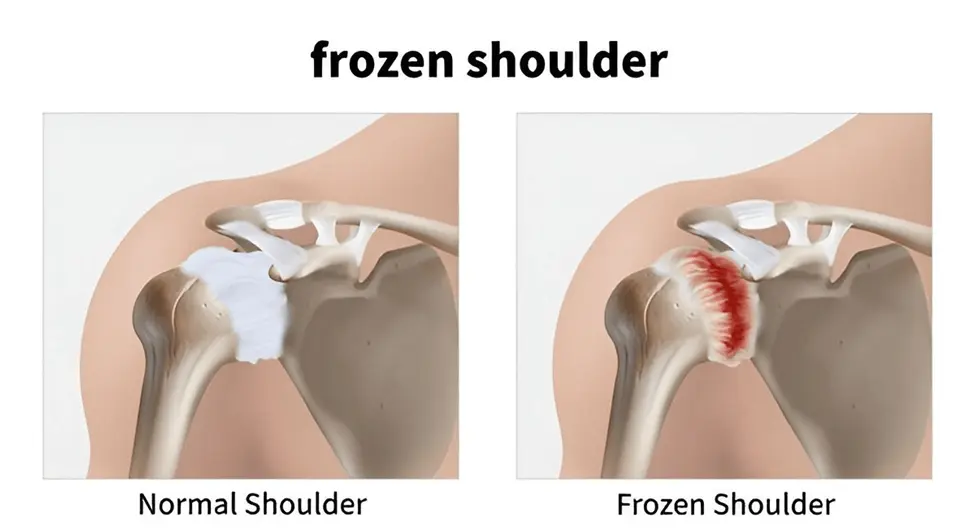
Frozen shoulder, also known as adhesive capsulitis, is a condition that causes pain, stiffness, and a gradual loss of shoulder movement. It often develops slowly and can significantly affect daily activities such as dressing, driving, reaching overhead, or even sleeping comfortably. Many people mistake the early symptoms for a minor muscle strain, delaying treatment until the condition becomes more severe.
Recognising the warning signs early is essential for preventing long-term stiffness and restoring shoulder function. Physiotherapy is one of the most effective non-surgical treatments for frozen shoulder, helping reduce pain, improve flexibility, and regain movement through personalised rehabilitation programmes. Early intervention often leads to faster recovery and better long-term outcomes.
Persistent Shoulder Pain That Doesn't Improve
One of the earliest signs of frozen shoulder is a dull, aching pain that gradually worsens over time. The discomfort is often felt around the outer shoulder or upper arm and may become more noticeable during everyday activities.
Many people initially assume the pain will disappear on its own, but untreated symptoms can progress into severe stiffness. Night-time pain is also common and may interfere with restful sleep.
Patients seeking top physiotherapy treatment in Edinburgh receive a detailed assessment to identify whether persistent shoulder pain is linked to frozen shoulder or another musculoskeletal condition requiring specialist care.
Early diagnosis allows treatment to begin before movement becomes significantly restricted.
Difficulty Moving Your Shoulder
As frozen shoulder progresses, simple movements become increasingly difficult. Reaching overhead, fastening a seatbelt, brushing your hair, or putting on a jacket may become uncomfortable or impossible.
The loss of movement develops gradually and often affects both active movements performed by the patient and passive movements assisted by another person.
Professional top physiotherapy treatment in Edinburgh focuses on improving joint mobility through gentle stretching, manual therapy, and personalised rehabilitation exercises that restore shoulder movement safely.
Addressing restricted mobility early improves recovery and helps prevent long-term limitations.
Increasing Shoulder Stiffness
Stiffness is one of the defining characteristics of frozen shoulder. Unlike temporary muscle tightness, the shoulder gradually loses its normal range of motion, making daily activities increasingly difficult.
Many people notice that the shoulder feels tight even when they are resting. Without appropriate treatment, stiffness can continue worsening for several months.
Receiving top physiotherapy treatment in Edinburgh provides targeted rehabilitation programmes designed to improve flexibility, reduce stiffness, and restore natural shoulder movement using evidence-based physiotherapy techniques.
Consistent rehabilitation helps minimise long-term joint restriction.
Pain That Becomes Worse at Night
Frozen shoulder pain often becomes more intense during the evening or while lying in bed. Many individuals struggle to sleep on the affected side because pressure on the shoulder increases discomfort.
Interrupted sleep not only affects recovery but can also reduce energy levels and overall quality of life. Persistent night pain should never be ignored, particularly if it continues for several weeks.
Experienced physiotherapists providing top physiotherapy treatment in Edinburgh assess the severity of shoulder pain and develop treatment plans that reduce discomfort while promoting natural healing and improved sleep quality.
Managing pain early supports faster rehabilitation and better overall recovery.
Weakness and Reduced Daily Function
Although frozen shoulder primarily affects joint movement, muscle weakness often develops because reduced activity causes surrounding muscles to lose strength over time.
Simple household tasks such as lifting shopping bags, carrying children, or reaching for objects on shelves may become increasingly challenging. Reduced shoulder function can also affect work and recreational activities.
Through top physiotherapy treatment in Edinburgh, patients receive strengthening exercises alongside mobility training to rebuild muscle function while restoring confidence in everyday movements.
Improving strength plays a key role in achieving full recovery.
Why Early Physiotherapy Makes a Difference
The earlier frozen shoulder is diagnosed, the better the chances of restoring normal movement without prolonged disability. Delaying treatment often allows stiffness to become more severe, extending recovery time significantly.
Physiotherapy combines manual therapy, stretching exercises, strengthening programmes, posture correction, and movement education to improve shoulder function throughout every stage of recovery.
Choosing top physiotherapy treatment in Edinburgh ensures patients receive personalised rehabilitation programmes tailored to their symptoms, physical condition, and long-term recovery goals.
Early physiotherapy not only speeds recovery but also reduces the risk of permanent shoulder stiffness.
Conclusion
Frozen shoulder develops gradually, but recognising the early warning signs can make a significant difference to your recovery. Persistent pain, increasing stiffness, reduced movement, night-time discomfort, and muscle weakness should never be ignored.
Seeking top physiotherapy treatment in Edinburgh at the first signs of frozen shoulder provides expert assessment, personalised rehabilitation, and evidence-based treatment to restore movement and relieve pain. Early physiotherapy helps you recover faster, regain shoulder function, and return to your normal daily activities with confidence.