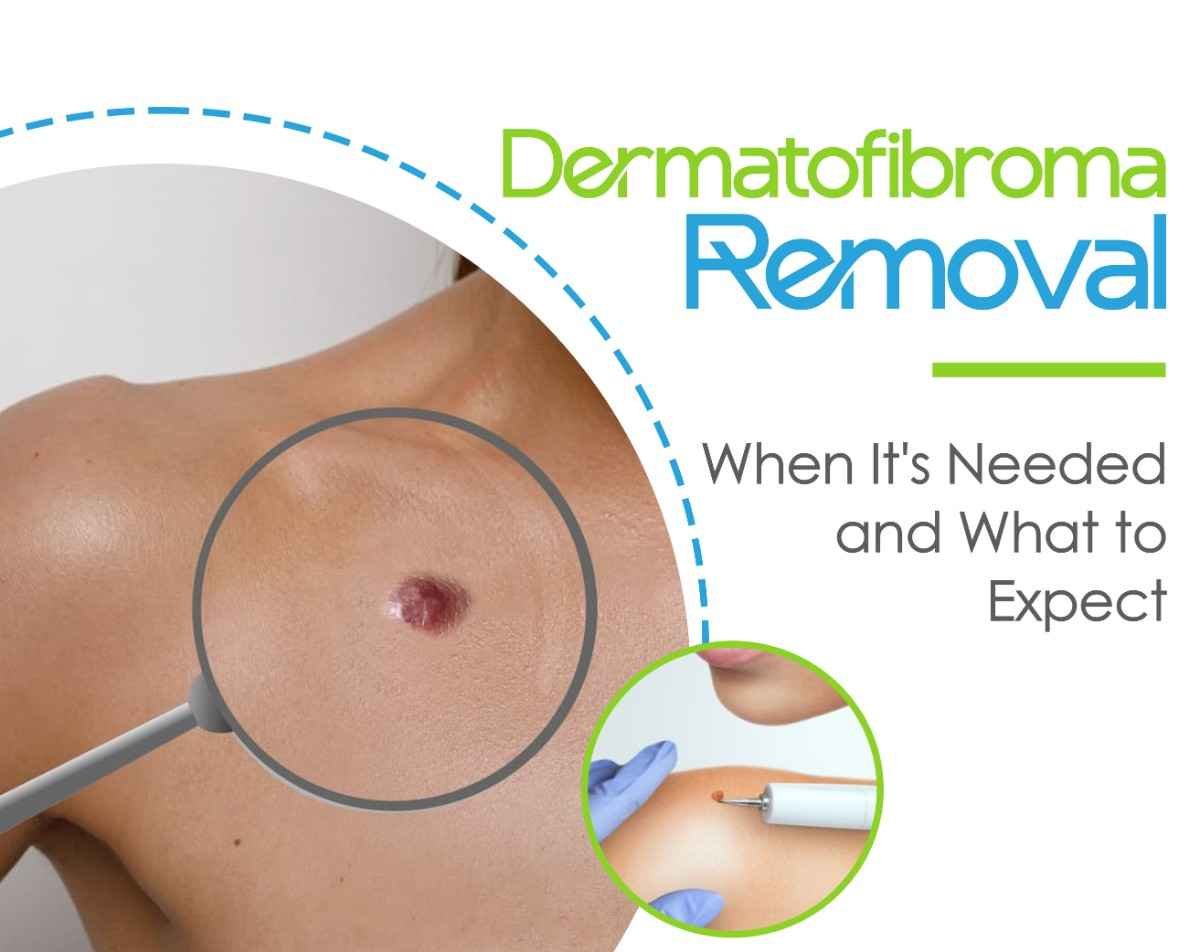
Noticing a new nodule or firm bump on your skin can naturally cause concern. If you have discovered a small, hard, reddish-brown spot most commonly on your lower legs or arms you may be dealing with a dermatofibroma. While these benign skin growths are completely harmless and rarely turn into anything serious, they can be itchy, unsightly, or easily irritated by clothing and shaving.
Understanding what a dermatofibroma is, how to differentiate it from other skin conditions, and when to seek treatment is essential for maintaining peace of mind. In this comprehensive guide, we will break down the causes of dermatofibromas, explore professional dermatofibroma removal options at Dermpro, and help you navigate the best path forward for your skin health.
What is a Dermatofibroma?
A dermatofibroma (also known as a benign fibrous histiocytoma) is a common, non-cancerous growth composed of a mixture of fibrous tissue, blood vessels, and immune cells within the dermal layer of the skin.
These growths typically appear as firm, slightly raised, or dome-shaped nodules ranging from a few millimeters to a centimeter in diameter. Their color can vary from pink, tan, or red to dark brown.
The "Pinch Sign"
A classic diagnostic feature of a dermatofibroma is the "dimple sign" or "pinch sign." When you gently squeeze the skin on either side of the bump between your thumb and index finger, the nodule typically dimples inward rather than pushing outward. While this is a helpful indicator, a professional dermatoscope evaluation is always necessary to confirm the diagnosis.
Causes and Common Symptoms
Dermatofibromas can develop anywhere on the body, though they most frequently appear on the lower legs, thighs, upper arms, and shoulders. While the exact cause remains unknown, experts believe they often represent a localized reaction to minor skin trauma.
Insect Bites: A bite from a mosquito, spider, or tick can trigger localized tissue proliferation.
Minor Injuries: Splinters, rose thorn pricks, or ingrown hairs can initiate dermatofibroma formation.
Gender Predisposition: Dermatofibromas are significantly more common in women than in men.
Immune System Factors: Individuals with compromised immune systems may occasionally develop multiple dermatofibromas simultaneously.
Symptoms to Monitor
Most dermatofibromas are entirely asymptomatic. However, some individuals experience:
- Tenderness, mild itching, or pain when pressed.
- Irritation caused by razor blades during shaving.
- Friction and discomfort from tight clothing.
- Changes in color after sun exposure.
Why Consider Dermatofibroma Removal?
Because dermatofibromas are non-cancerous, medical treatment is not strictly necessary unless there is diagnostic uncertainty. However, many individuals opt for dermatofibroma removal for a variety of reasons:
- Cosmetic Concerns: The nodule sits in a prominent area, such as the face, neck, or lower leg.
- Persistent Irritation: The bump frequently bleeds or hurts due to shaving or clothing friction.
- Peace of Mind: Eliminating any doubt regarding a spot that resembles high-risk skin lesions, such as melanoma or dermatofibrosarcoma protuberans (DFSP).
Medical Methods for Dermatofibroma Removal
Because dermatofibromas extend deep into the dermal layer of the skin, removing them completely requires targeted medical procedures. Simply scraping or shaving off the top layer usually results in the growth returning.
Here are the primary clinical methods utilized by specialists:
1. Complete Surgical Excision
Surgical excision is considered the gold standard for permanent removal.
- The Procedure: Under local anesthesia, the clinician cuts out the entire nodule, including its deep dermal roots, along with a narrow margin of surrounding healthy skin. The wound is then closed with sutures.
- The Outcome: Excision offers a 99% success rate with virtually no chance of recurrence. However, because it cuts through the deeper layers of the skin, it will leave a fine surgical scar.
2. Cryotherapy (Liquid Nitrogen)
Cryotherapy involves freezing the tissue using liquid nitrogen.
- The Procedure: Extreme cold is applied directly to the lesion, destroying the top portion of the growth.
- The Outcome: Cryotherapy flattens the bump and lightens its color, making it far less noticeable. It leaves a smaller mark than surgery, but because the deep roots remain, there is a chance the dermatofibroma may slowly regrow over time.
3. Laser Therapy and Punch Biopsy
- Laser Therapy: Carbon dioxide ($CO_2$) lasers can be used to flatten the lesion or reduce hyperpigmentation, improving its aesthetic appearance without full surgical cutting.
- Punch Biopsy: For smaller dermatofibromas, a circular punch tool can remove the center of the lesion under local anesthesia, offering a quick sample for lab testing while reducing the overall size of the bump.
What to Expect During Care at Dermpro?
At Dermpro, your skin safety is the absolute top priority. When you visit for an evaluation, our team follows a thorough, patient-first clinical workflow:
- Dermoscopic Assessment: A dermatologist examines the lesion using high-magnification dermatoscopy to verify its vascular and pigment structures.
- Biopsy & Pathology: If there is any structural irregularity, a quick biopsy is sent to a pathology lab to rule out malignancy before any cosmetic removal begins.
- Personalized Treatment Plan: Based on the bump's location, size, and your aesthetic goals, we help you choose between complete surgical excision or non-invasive flattening techniques.
- Post-Procedure Wound Care: You receive clear, step-by-step instructions to minimize scarring and encourage rapid healing.
Pros and Cons of Dermatofibroma Removal Methods
Frequently Asked Questions
Will a dermatofibroma go away on its own?
No. Unlike standard blemishes or minor skin reactions, dermatofibromas rarely disappear on their own. They generally persist for life unless surgically removed or treated with cryotherapy.
Can a dermatofibroma turn into skin cancer?
No. A true dermatofibroma is a benign lesion and will not transform into skin cancer. However, because certain rare skin cancers (like dermatofibrosarcoma protuberans) can mimic its appearance, having any changing spot evaluated by a professional is vital.
Does dermatofibroma removal leave a scar?
Yes. Because dermatofibromas reside deep in the dermis, any procedure that completely removes the growth will leave a small permanent scar. Proper post-procedure wound care helps ensure the final scar fades significantly over time.
Is dermatofibroma removal painful?
No. Removal procedures are performed under local anesthesia, meaning the area is completely numbed. You will feel a minor prick during the numbing injection, but you should experience no pain during the procedure itself.
Conclusion
While a dermatofibroma is not medically dangerous, you do not have to live with the discomfort, irritation, or worry it can cause. Choosing the right clinical path whether that means monitoring the spot or scheduling a complete removal gives you confidence and peace of mind.
Tags : .....