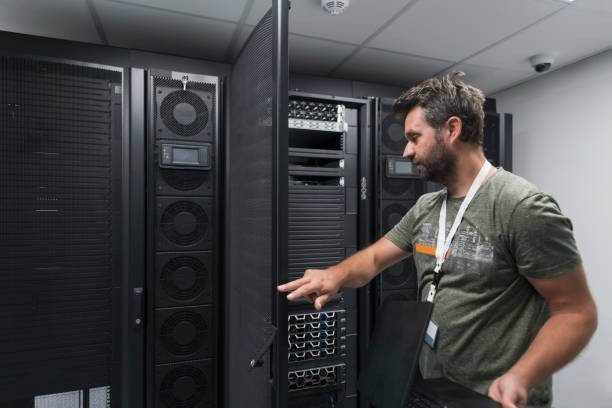
Modern data centres are designed to keep servers running around the clock. They support websites, cloud services, business applications, and countless online systems that people rely on every day. While powerful hardware and reliable networking are important, proper cooling is just as essential. Without good airflow, servers can overheat, reducing performance and increasing the risk of equipment failure.
One important part of a cooling system is the Data Centre Vent. Although it may not receive as much attention as servers or networking equipment, it plays a major role in maintaining safe temperatures inside a data centre. Understanding how these vents work can help IT teams improve efficiency, reduce downtime, and extend the life of valuable hardware.
What Is a Data Centre Vent?
A Data Centre Vent is a component of the ventilation and cooling system that helps control airflow inside a data centre. Its main job is to move cool air where it is needed while allowing warm air to leave the server environment.
Servers generate a large amount of heat while operating. If that heat is not removed efficiently, temperatures can rise quickly. A properly designed vent system helps maintain stable operating conditions and supports reliable performance.
Why Proper Ventilation Matters
Every server produces heat while processing data.
When hundreds or even thousands of servers operate in the same room, the temperature can increase rapidly. Even high-quality hardware can experience problems if cooling is inadequate.
Proper ventilation helps:
- Prevent overheating
- Improve hardware performance
- Reduce unexpected downtime
- Extend equipment lifespan
- Lower cooling costs
- Maintain stable operating conditions
Good airflow benefits both the equipment and the people responsible for managing it.
How a Data Centre Vent Works
Cooling systems push chilled air into server areas.
The Data Centre Vent directs this cool air toward equipment that needs it most. At the same time, warm air produced by servers is collected and removed from the room.
This continuous movement creates a balanced airflow that helps maintain consistent temperatures throughout the facility.
Without proper airflow management, cool and warm air can mix together, making the cooling system less effective.
Hot and Cold Aisle Design
Many modern data centres use a hot aisle and cold aisle layout.
In this design:
- Cold air is delivered to the front of server racks.
- Servers pull in the cool air.
- Warm air exits through the back of the equipment.
- Ventilation systems remove the heated air.
This arrangement improves cooling efficiency and reduces unnecessary energy use.
Types of Data Centre Vents
Different facilities use different ventilation solutions depending on their size and design.
Some common types include:
Floor Vents
Raised floor systems distribute cool air beneath the server room before releasing it through floor vents located near equipment.
Ceiling Vents
Some facilities remove warm air through ceiling ventilation systems, helping maintain consistent temperatures.
Adjustable Air Vents
Adjustable vents allow airflow to be directed toward areas that generate the most heat.
These systems provide flexibility as equipment layouts change over time.
Signs of Poor Airflow
Even advanced cooling systems can develop problems.
IT teams should watch for warning signs such as:
- High server temperatures
- Frequent overheating alerts
- Cooling systems running constantly
- Uneven temperatures across server racks
- Unexpected hardware shutdowns
- Increased energy consumption
Finding these issues early can prevent expensive repairs.
Regular Maintenance Is Important
Like any other system, ventilation equipment requires routine maintenance.
Dust, dirt, and blocked airflow can reduce cooling performance.
Regular maintenance should include:
- Cleaning vents
- Checking airflow direction
- Inspecting cooling equipment
- Monitoring temperature sensors
- Replacing damaged components when necessary
Simple maintenance tasks often prevent much larger problems later.
Monitoring Temperature and Airflow
Most modern data centres use monitoring systems that provide real-time information.
These systems help IT teams track:
- Room temperature
- Rack temperature
- Airflow performance
- Cooling efficiency
- Humidity levels
Continuous monitoring allows teams to identify developing issues before they affect business operations.
Energy Efficiency Benefits
Cooling systems consume a significant amount of electricity.
When airflow is managed correctly, cooling equipment does not need to work as hard.
This can lead to:
- Lower electricity costs
- Better energy efficiency
- Reduced environmental impact
- Improved operational performance
Efficient ventilation benefits both the business and the environment.
Common Mistakes to Avoid
Some airflow problems are caused by simple mistakes.
These include:
- Blocking vents with equipment
- Poor cable management restricting airflow
- Mixing hot and cold air paths
- Ignoring temperature warnings
- Skipping routine maintenance
Avoiding these issues helps cooling systems perform more effectively.
Planning for Future Growth
Data centres rarely stay the same for long.
As businesses grow, additional servers and networking equipment increase cooling demands.
When expanding infrastructure, IT teams should also review ventilation capacity.
Planning ahead helps avoid overheating problems after new equipment is installed.
Best Practices for IT Teams
Maintaining good airflow does not always require major upgrades.
Following a few best practices can make a significant difference.
These include:
- Keep vents free from obstructions.
- Monitor temperatures regularly.
- Organize cables to improve airflow.
- Clean ventilation systems on schedule.
- Review airflow whenever equipment is relocated.
- Respond quickly to temperature alerts.
Small improvements can greatly enhance long-term reliability.
Final Thoughts
A Data Centre Vent may seem like a simple part of a larger cooling system, but it plays an essential role in keeping servers operating safely and efficiently. Proper airflow helps prevent overheating, reduces energy consumption, extends hardware life, and supports reliable business operations.
For today's IT teams, understanding ventilation basics is just as important as maintaining servers and network equipment. By monitoring airflow, performing regular maintenance, and following proven cooling practices, organizations can build more reliable and energy-efficient data centre environments that continue to perform well as technology evolves.
Tags : .....