Creating Your Perfect Home Workout Space: A Complete Guide to Home Gym Equipment
By Yuvien 23-12-2025 22
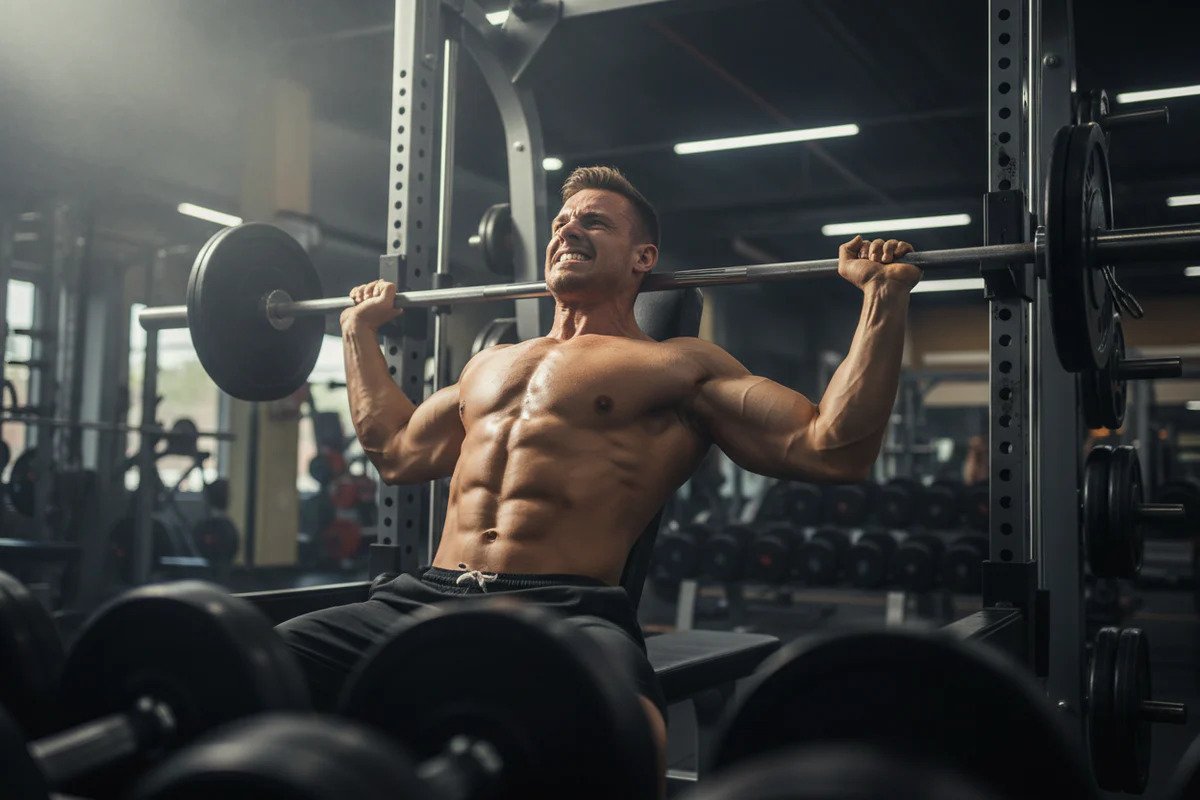
The shift toward home fitness has transformed how people approach their workout routines. Whether you're a beginner taking your first steps into strength training or an experienced athlete looking to replicate your gym experience at home, understanding the landscape of home gym equipment helps you make informed decisions that align with your fitness goals and available space. Learn more from gxmmat.us
Understanding Your Fitness Goals and Space
Before investing in equipment, assess what you actually need. A small apartment requires different solutions than a dedicated basement gym. Your fitness objectives—whether building muscle, improving cardiovascular health, increasing flexibility, or general wellness—will guide your equipment choices.
Consider your ceiling height, flooring type, and how much room you can dedicate to exercise. Some people convert spare bedrooms, while others carve out corner spaces in living areas. Measure your available area and think about how equipment will fit when both stored and in use.
Essential Equipment for Strength Training
Strength training forms the foundation of most home gym setups. Adjustable dumbbells offer versatility without consuming much space, allowing you to progress from lighter to heavier weights as you build strength. Quality sets typically range from 5 to 50 pounds per dumbbell, with quick-change mechanisms that let you switch weights between exercises.
Resistance bands provide another compact option for building strength. These elastic bands come in varying resistance levels and work well for both beginners and advanced users. They're particularly useful for rehabilitation exercises, warm-ups, and targeting specific muscle groups.
A weight bench expands your exercise possibilities significantly. Adjustable benches that incline, decline, and lay flat enable chest presses, rows, shoulder exercises, and core work. Look for sturdy construction that supports your body weight plus the weight you'll be lifting.
Kettlebells deserve consideration for their unique training benefits. These cast-iron weights with handles facilitate dynamic movements like swings, snatches, and Turkish get-ups. Starting with one or two kettlebells in moderate weights lets you explore this training style without major investment.
Cardio Equipment Options
Cardiovascular equipment keeps your heart healthy and burns calories. Treadmills remain popular choices, though they require significant space and budget. Folding models save space when not in use, while curved treadmills offer a manual alternative that doesn't need electricity.
Stationary bikes come in upright and recumbent styles. Upright bikes mimic road cycling positions, while recumbent bikes provide back support and put less stress on joints. Spin bikes with heavy flywheels deliver intense workouts similar to studio cycling classes.
Rowing machines provide full-body cardio that also builds strength. They fold upright for storage and offer low-impact exercise suitable for various fitness levels. Water, air, and magnetic resistance types each provide different feels and noise levels.
Elliptical trainers combine upper and lower body movement with minimal joint impact. Though larger than many other cardio machines, they accommodate people who need low-impact alternatives to running.
Functional Fitness and Bodyweight Training
Pull-up bars mount in doorways or stand freely, enabling one of the most effective upper body exercises. They require minimal space and allow for pull-ups, chin-ups, and hanging leg raises.
Suspension trainers use your body weight and gravity for resistance. These strap systems anchor to doors, ceiling beams, or outdoor structures, packing down small enough to travel with. They challenge stability and core strength while enabling hundreds of exercise variations.
Exercise mats create comfortable surfaces for floor work, stretching, yoga, and core exercises. Thickness matters—thinner mats work for yoga, while thicker versions cushion high-impact moves.
Foam rollers aid recovery through self-massage techniques. Rolling out tight muscles after workouts can improve flexibility and reduce soreness.
Power Racks and Squat Stands
Serious strength trainers often invest in power racks or squat stands. These structures provide safety for barbell exercises performed without a spotter. Power racks include four vertical posts with adjustable safety bars, enabling squats, bench presses, and overhead presses with confidence.
Half racks and squat stands take up less space while still supporting barbell work. They work well in garages or basements with limited square footage. Quality racks accommodate Olympic barbells and offer pull-up bars integrated into their design.
Barbells and weight plates complete the setup. Olympic barbells measure seven feet long and weigh 45 pounds, fitting into power racks designed for this standard. Bumper plates made from dense rubber allow you to drop weights safely during lifts like cleans and snatches.
Smart Equipment and Technology Integration
Modern home gym equipment often includes connectivity features. Smart bikes and treadmills stream classes, track metrics, and adjust resistance automatically. While these features add cost, they provide structure and motivation for people who thrive with guidance.
Fitness mirrors display instructors and workout classes while tracking your form through built-in cameras. These space-saving options mount on walls like regular mirrors when not in use.
Apps and virtual training platforms work with basic equipment to provide programming. Many require just dumbbells or bodyweight, making professional coaching accessible without expensive machines.
Flooring and Protective Surfaces
Proper flooring protects both your equipment and your home's foundation. Rubber flooring withstands dropped weights and provides cushioning for joints during cardio. Interlocking rubber tiles let you customize your gym's footprint and can be removed if you move.
For areas with lighter equipment, foam tiles or exercise mats prevent scratches on hardwood or damage to carpets. Under treadmills and bikes, place equipment mats to reduce noise and vibration while protecting floors from wear.
Storage Solutions
Equipment storage keeps your space organized and safe. Wall-mounted racks hold dumbbells, kettlebells, and weight plates vertically, maximizing floor space. Pegboards with hooks can organize resistance bands, jump ropes, and smaller accessories.
Multi-tier dumbbell racks range from compact three-tier stands to large commercial-style systems. Choose capacity based on your current collection and future growth plans.
Storage benches with compartments hide smaller items while providing seating. Some workout benches include built-in storage for resistance bands and accessories.
Budget-Friendly Equipment Building
You don't need to purchase everything at once. Start with versatile basics like adjustable dumbbells, a mat, and resistance bands. These three items enable full-body workouts for minimal investment.
Add pieces gradually as your routine develops. Many people find they use certain equipment types more than others, so experimentation prevents overspending on unused items. Buying used equipment from people upgrading their gyms or moving can save substantially, though inspect structural integrity before purchasing.
DIY options exist for some equipment. Sandbags, plyo boxes made from plywood, and homemade weightlifting platforms reduce costs while providing functional tools.
Maintaining Your Home Gym
Equipment longevity depends on regular maintenance. Wipe down surfaces after workouts to prevent corrosion from sweat. Lubricate moving parts on cardio machines according to manufacturer schedules. Inspect cables, straps, and resistance bands for wear, replacing them before they fail.
Store equipment properly when not in use. Keep weights on racks rather than floors, and protect electronics from dust and moisture. Climate-controlled spaces extend equipment life compared to unheated garages that experience temperature extremes.
Safety Considerations
Home gyms require attention to safety since you typically work out alone. Install equipment according to manufacturer instructions, using appropriate anchors for wall-mounted items. Ensure adequate clearance around machines to prevent hitting walls or objects during exercises.
Keep emergency contact information nearby and consider working out when others are home, especially when performing exercises with heavier weights. Learn proper form before adding weight, and never sacrifice technique for higher resistance.
Building Your Ideal Setup
Your perfect home gym reflects your unique needs, space constraints, and fitness ambitions. Start with equipment that matches your current goals while allowing room to grow. Focus on quality over quantity—a few well-made pieces you'll actually use beat a garage full of dust-collecting machines.
Think about your workout preferences and what motivates you. If you love group fitness energy, invest in smart equipment with streaming classes. If you prefer straightforward strength training, prioritize free weights and simple machines.
The convenience of home workouts eliminates commute time and removes the pressure of crowded facilities. With thoughtful equipment selection, your home gym becomes a sustainable fitness solution that adapts as your journey evolves.
Tags : .....