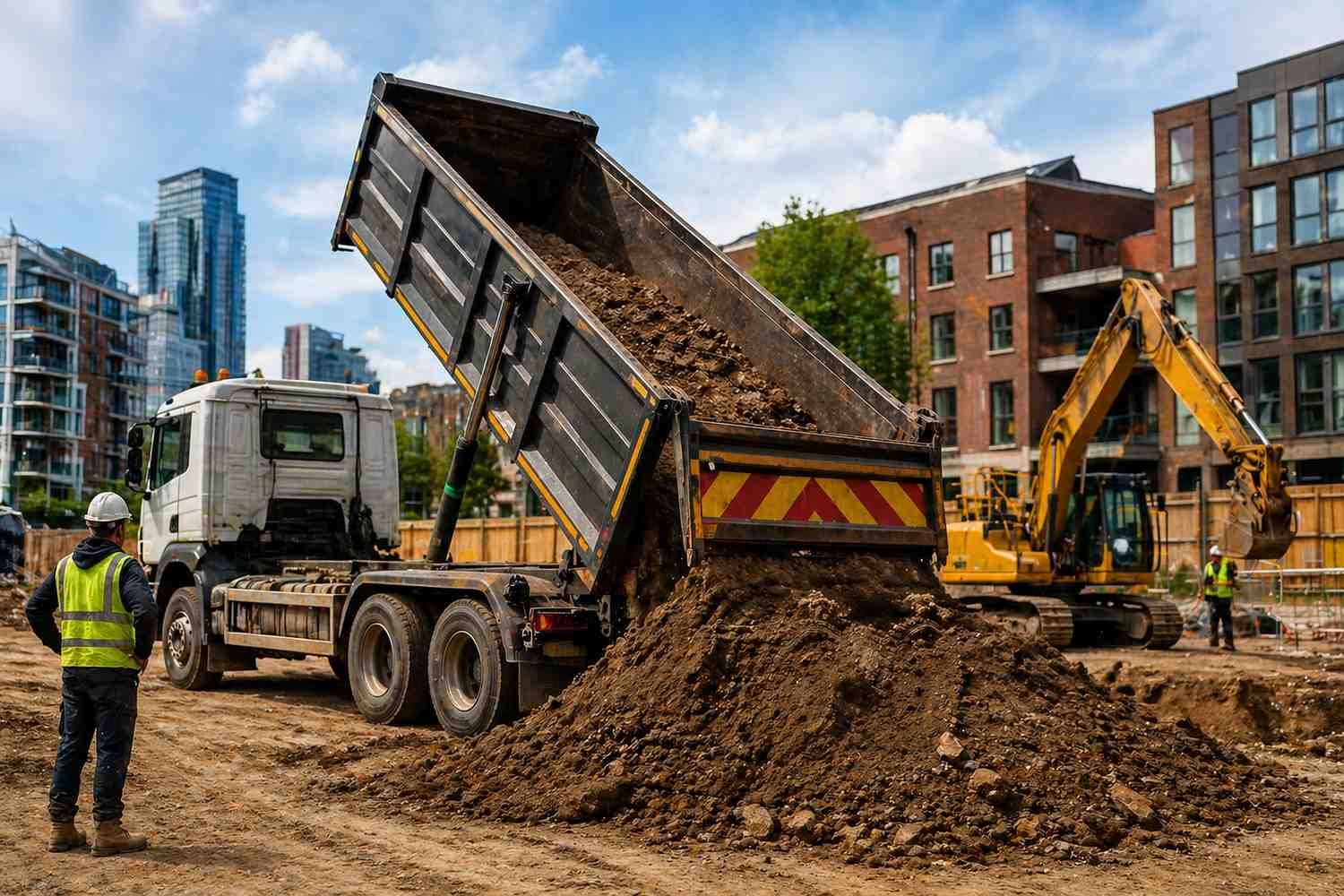
Contaminated Muck Away can help construction teams, contractors, and property owners manage soil and muck that cannot be treated as ordinary excavation waste. Building work, demolition, groundworks, and land clearance can uncover soil affected by oil, fuel, chemicals, or other substances. Proper identification, handling, transport, and disposal are important when this happens.
Contaminated material can create extra challenges during a project. It may need to be kept separate from clean soil and handled through suitable waste management arrangements. Planning ahead can help prevent delays and keep the work area organised.
Why Contaminated Muck Away London Service Is Important
Contaminated Muck Away London Service should not simply be mixed with ordinary soil and removed without checking its waste requirements. The material may need specific handling and disposal arrangements depending on what has affected it and how it is classified.
A suitable removal service can help contractors manage unwanted material while keeping the project moving. Removing affected soil from the working area also creates more space for machinery, workers, and new construction materials.
For projects in busy London areas, organised waste removal can be particularly important because storage space is often limited. Keeping contaminated material on site for longer than necessary can make project management more difficult.
What Can Cause Soil Contamination?
Soil can become contaminated for different reasons. Previous industrial activity, fuel storage, vehicle operations, building work, chemical use, and accidental spills can all affect ground conditions.
Construction teams may discover unexpected material while excavating foundations, installing drainage, preparing roads, or carrying out landscaping. The appearance of soil alone does not always provide enough information to determine whether it is contaminated.
Where contamination is suspected, professional assessment may be required before deciding how the material should be handled. This helps ensure that the correct waste route is selected.
Identifying Contaminated Excavation Material
The first step is understanding what material has been found. Site managers should record where the material came from and what is known about the ground conditions.
Testing may be required in some situations to determine the nature and level of contamination. The results can help establish the appropriate management approach.
It is important not to assume that every unusual-looking soil pile is hazardous. At the same time, suspected contamination should not be ignored. Proper assessment gives contractors clearer information before removal begins.
Keeping Different Waste Types Separate
Separating waste can make site clearance easier. Clean soil, rubble, timber, general rubbish, and potentially contaminated material should not automatically be placed into the same pile.
Mixed waste can create additional handling problems and may affect disposal options. Clearly identifying different materials can help the collection provider understand what is being removed.
On larger projects, designated areas can be created for different waste streams. This keeps the site more organised and reduces the chance of unsuitable materials becoming mixed.
Managing Muck During Construction
Construction sites can produce large amounts of excavated material. Foundations, basements, drainage systems, landscaping, and other groundworks may require significant quantities of soil to be removed.
muck away London site clearance can be part of a wider site management plan when excavation creates material that needs to leave the property.
Scheduling collections around excavation stages can help prevent waste from accumulating. It also reduces the need to move the same material around the site multiple times.
Choosing the Right Collection Vehicle
The type of vehicle required depends on the quantity and nature of the material, as well as site access. Grab lorries can be useful for loading loose materials from accessible areas, while other arrangements may be needed for specific waste types.
Before booking, contractors should provide accurate information about the waste. This includes explaining whether contamination is suspected or confirmed and describing the material as clearly as possible.
The collection area should also be accessible. Narrow entrances, overhead obstacles, parked vehicles, and restricted loading areas can affect how a vehicle operates.
Environmental Considerations
Responsible waste management helps prevent contaminated material from being handled incorrectly. Soil affected by pollutants should be managed through an appropriate disposal or treatment route rather than being placed where it could cause further environmental problems.
Contractors should keep records of waste movements where required and work with suitable waste management providers. Clear documentation can also make project administration easier.
Environmental responsibility is especially important when excavation takes place close to drains, watercourses, homes, public areas, or other sensitive locations.
Planning Removal Before Work Begins
Waste removal should be included in the project plan whenever contamination is known or suspected. Waiting until excavation is complete can lead to delays if additional arrangements are required.
A pre-project assessment can help identify potential waste issues. Contractors can then consider collection capacity, access, timing, and disposal requirements before machinery starts digging.
Early planning also allows teams to decide where different materials will be stored temporarily if they cannot be removed immediately.
Cost Factors to Consider
The cost of contaminated waste removal can vary depending on the material, quantity, distance, vehicle requirements, access, testing, and disposal arrangements.
For this reason, contractors should provide detailed information when requesting a quotation. A clear description of the project can help avoid misunderstandings later.
Some projects may also require additional professional services because contamination needs to be assessed or managed before transport. These requirements should be considered as part of the overall project budget.
Why Professional Handling Matters
Contaminated soil is different from ordinary garden or construction waste. Incorrect handling can create environmental and regulatory issues, particularly when the material contains substances that require specialist management.
Using a suitable waste management service can help contractors follow the correct process. It also allows the project team to focus on construction rather than trying to determine how unsuitable material should be managed themselves.
Where contamination is suspected, specialist advice should be obtained before moving or mixing the material.
Preparing a Site for Collection
Before a vehicle arrives, the loading area should be kept clear. Waste should be stored in a way that prevents unnecessary mixing and allows safe access.
Site managers should make sure the collection provider has accurate information about the material. They should also explain any restrictions that could affect vehicle access.
Good preparation can reduce delays and help the collection process run more efficiently.
Frequently Asked Questions
What is contaminated muck?
Contaminated muck is soil or excavated material affected by substances such as oil, fuel, chemicals, or other pollutants. Its correct handling depends on the type and classification of the waste.
Can contaminated soil be removed from a construction site?
It can be removed when the appropriate waste management arrangements are in place. The material should be correctly identified and handled according to its requirements.
Does contaminated soil always require specialist treatment?
Not every case is the same. The appropriate route depends on the substance involved, its concentration, and the applicable waste classification. Assessment may be needed before removal.
Can contaminated muck be mixed with clean soil?
It should not be mixed simply to make disposal easier. Mixing different waste types can complicate handling and may affect the appropriate disposal route.
How can contractors prepare for contaminated muck removal?
Contractors should identify the material, keep different waste types separated, provide accurate information to the collection provider, and make sure the loading area is accessible.
Keeping Contaminated Waste Under Control
Good planning can make contaminated soil management more straightforward. Identifying the material, keeping it separate, arranging suitable transport, and using the correct disposal route can help reduce delays during construction and excavation work. A clear waste plan also helps teams maintain an organised site while protecting the surrounding environment. For London projects requiring suitable muck removal support, Grab Express provides waste collection services designed around different site clearance requirements.
Tags : .....