The installation of an EV charger in Singapore involves selecting the right charger type, assessing your electrical capacity, obtaining necessary approvals, and hiring a licensed electrician. For home installations, you typically need SP Group approval and compliance with the Singapore Standard SS 638. The process takes anywhere from a few days to a few weeks depending on your property type and charger model.
Singapore's EV adoption is accelerating fast. As of 2024, the Land Transport Authority (LTA) targets 60,000 EV charging points island-wide by 2030 — a sharp increase from the current base. If you've just bought an electric vehicle or are planning to, understanding the installation of EV charger in your home or property is the first practical step you need to take.
This guide walks you through everything — from planning and approvals to choosing the right charger and getting it safely installed.
Why EV Charger Installation Matters More Than Most People Think
Many new EV owners assume they can just plug into a regular household socket. You can — but it's slow, inefficient, and not ideal for daily charging. A standard 13A wall socket delivers roughly 2.4kW, which means a full charge on a 60kWh battery takes over 24 hours.
A dedicated home EV charger, typically a Level 2 AC charger at 7kW or 11kW, cuts that down to 6–9 hours. That's an overnight charge. For most Singapore homeowners, that's the sweet spot between convenience and cost.
Step 1 — Assess Your Electrical Capacity
Before anything else, check whether your home's existing electrical system can support an EV charger. Most landed properties in Singapore have a 3-phase supply that can handle a 7kW or 11kW charger without upgrades. HDB flats and many condominiums, however, typically run on single-phase supply.
Key questions to answer at this stage:
- What is your main circuit breaker rating? (Typically 40A–63A for landed homes)
- Is there available load capacity after accounting for existing appliances?
- Is the intended installation location near your distribution board?
If your panel is already at capacity, your electrician may need to upgrade it — factoring this into your budget from the start saves surprises later.
Step 2 — Choose the Right EV Charger for Your Property Type
For Landed Properties
Landed homeowners have the most flexibility. A 7kW or 11kW AC wall box charger works well for overnight charging. Some choose a 22kW charger, though your car's onboard charger also needs to support that speed — most EVs cap AC charging at 7kW or 11kW anyway.
For Condominiums
Condo installations depend on whether your management corporation (MCST) has a charging infrastructure plan. Some condos now offer designated EV lots with shared chargers. If you're installing a private charger in your own parking lot, you'll need written approval from your MCST before proceeding.
For HDB Flats
HDB residents currently cannot install personal chargers at void decks or common carparks. However, HDB is progressively rolling out EV charging points across its car parks through appointed operators. Check HDB's website or your town council for the latest availability in your estate.
Step 3 — Understand the Approvals and Regulations
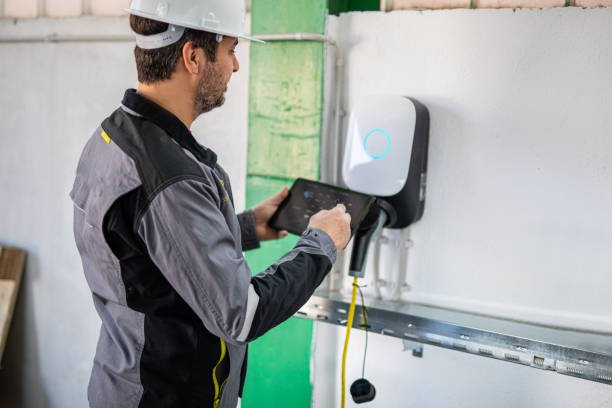
EV charger installation in Singapore is regulated. All electrical works must be carried out by a Licensed Electrical Worker (LEW) registered with the Energy Market Authority (EMA). This is not optional — unlicensed installations are a safety and legal risk.
Depending on your charger's load, you may also need to notify or obtain approval from SP Group (your grid operator). Chargers above 11kW typically require formal application. Your installer should handle this, but confirm it upfront.
The relevant standard to be aware of is SS 638:2018 — the Singapore Standard for EV charging systems. Any compliant installation must follow this code of practice.
Step 4 — Get Quotes and Hire a Licensed Installer
Always get at least two to three quotes. Costs for home EV charger installation in Singapore typically range from S$800 to S$2,500, depending on:
- Charger brand and model (smart vs. basic)
- Cabling distance from the distribution board to the parking space
- Whether conduit trunking or concealed wiring is required
- Any switchboard upgrades needed
Ask for a detailed breakdown of labour, materials, and any submission fees. A reputable installer will provide a written quotation and clearly explain what's included.
Step 5 — The Actual Installation Process
Once approvals are in place and a contractor is engaged, the physical installation typically takes half a day to a full day for a standard landed home setup. Here's what it involves:
- Site survey — The electrician confirms cable routes, earthing arrangements, and mounting location.
- Cabling works — A dedicated circuit is run from the distribution board to the charger location.
- Charger mounting — The wall box is fixed securely, typically in the garage or covered car porch.
- Testing and commissioning — The system is tested for earthing continuity, insulation resistance, and correct operation.
- Documentation — Your LEW issues a Certificate of Compliance (COC) for the electrical works.
Smart Chargers vs. Basic Chargers — Which Should You Choose?
Smart chargers cost more upfront but pay off in electricity savings and convenience — especially if you charge during off-peak hours when SP Group tariffs are lower.
Ongoing Maintenance — Don't Ignore It
A charger that works fine today can develop issues over time, especially in Singapore's humid, tropical climate. Corrosion, cable wear, and firmware bugs are real concerns. Schedule a professional inspection every 12 to 18 months to check earthing, cable integrity, and connector condition.
Many installers offer annual maintenance packages — worth considering if your charger is used daily and exposed to outdoor conditions.
What Does EV Charger Installation Cost in Singapore
Here's a quick cost breakdown for typical home EV charger installation scenarios in Singapore:
- Basic 7kW wall box + installation (landed): S$1,200–S$1,800
- Smart 7kW charger + installation (landed): S$1,800–S$2,500
- Condo installation (with MCST approval): Add S$200–S$500 for additional cabling or carpark trunking
- Switchboard upgrade (if required): S$500–S$1,500 additional
These are indicative figures. Always request a site survey before confirming your budget.
Ready to Install? Here's What to Do Next
Whether you're just bought your first EV or upgrading to a faster charger, getting the installation right from day one protects both your vehicle and your home's electrical system. Work with a licensed contractor who understands Singapore's regulatory requirements and can handle the full process — from SP Group notification to issuing your COC.
For professional EV charger installation and maintenance across Singapore, 3K offers end-to-end service backed by qualified LEWs and a track record in electrical works across residential and commercial properties.