Comparing New and Used Shipping Containers: Which is Right for Your Business?
By Jenny Fries 15-06-2026 40
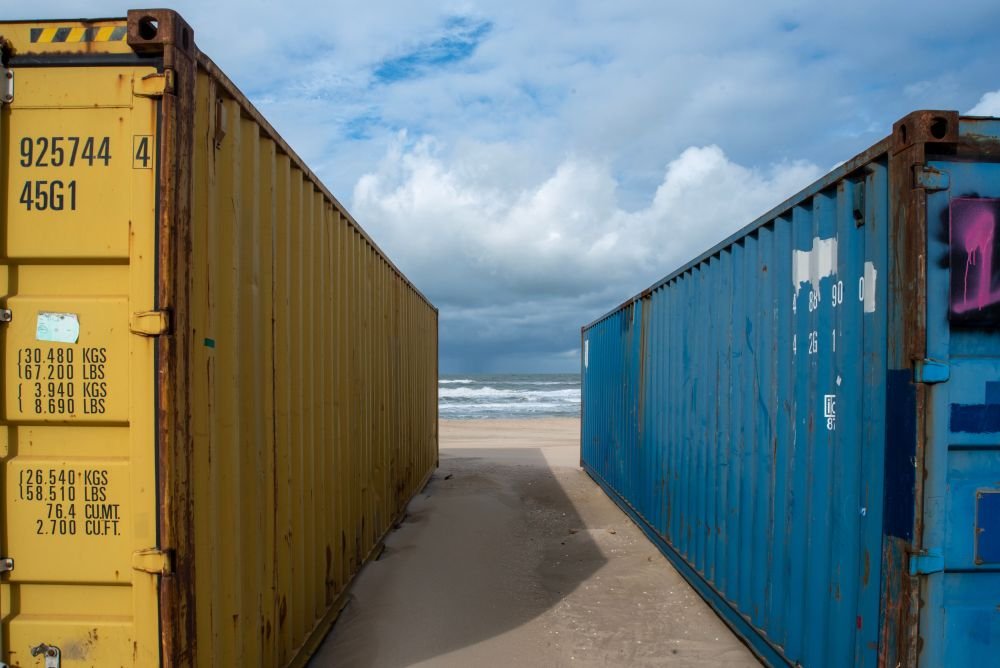
Choosing the right shipping containers is an important decision for any business involved in logistics, storage, or construction. Containers are no longer limited to transporting goods across oceans. They are widely used for warehousing, site storage, pop-up commercial spaces, and even modular construction. One of the key considerations when making a purchase is whether to invest in new or used units. Each option comes with its own set of advantages, depending on your budget, purpose, and long-term plans.
Understanding the differences between these options can help you make a decision that aligns with your operational goals while maximizing value.
Understanding New Shipping Containers
New shipping containers, often referred to as one-trip containers, are units that have been used only once for transporting cargo. They are typically in excellent condition, with minimal wear and no structural damage.
The biggest advantage of new containers is reliability. Since they have not been exposed to years of handling, stacking, and weather conditions, they are less likely to have dents, rust, or weakened structural components. This makes them ideal for applications where appearance and durability are important, such as retail spaces or customer-facing storage.
Another benefit is customization flexibility. A new unit provides a clean starting point for modifications, including insulation, doors, windows, or interior fittings. When sourcing from trusted providers like Tradecorp Shipping Containers, businesses often gain access to high-quality units that meet strict standards, making them easier to adapt for specialized uses.
While new containers offer many advantages, they typically come at a higher cost. For businesses with limited budgets or short term needs, this investment may not always be necessary.
Exploring Used Shipping Containers
Used shipping containers have already completed multiple trips and may show visible signs of wear. These can include surface rust, dents, or faded paint. However, many used containers are still structurally sound and suitable for a wide range of applications.
The primary advantage of used containers is affordability. They are significantly less expensive than new units, making them attractive for businesses looking to scale operations without a large upfront investment. This is especially beneficial for storage solutions, where appearance is less critical.
Used containers are also readily available in various grades. Some are sold as wind and watertight units, meaning they can effectively protect contents from external elements despite cosmetic imperfections. This makes them a practical choice for construction sites, equipment storage, or agricultural use.
However, buyers should carefully inspect used containers before purchasing. Structural integrity, floor condition, and door functionality are key factors to evaluate. Working with a reliable supplier can help ensure that the container meets your quality expectations.
Cost Considerations and Budget Planning
Budget plays a major role in deciding between new and used containers. New containers require a larger initial investment, but they may offer better long-term value due to reduced maintenance and longer lifespan.
Used containers, on the other hand, allow businesses to acquire functional units at a lower cost. This makes them suitable for short-term projects or situations where multiple containers are needed quickly.
It is also important to factor in additional costs such as delivery, modifications, and maintenance. A cheaper used container may require repairs or upgrades, which can increase the total cost over time. In contrast, a new container may have fewer hidden expenses but a higher upfront price.
Evaluating the total cost of ownership rather than just the purchase price can provide a clearer picture of which option is more economical for your specific needs.
Suitability for Different Business Applications
The intended use of the container plays a critical role in determining the right choice. For businesses that require a polished, professional look, such as pop-up shops or branded storage units, new containers are often the better option. Their clean appearance enhances brand image and customer perception.
For industrial or operational purposes, used containers are usually sufficient. Construction companies, farms, and warehouses often prioritize function over aesthetics, making used units a practical and cost-effective solution.
Containers used for long-term infrastructure projects may benefit from the durability of new units, while temporary setups can often rely on used ones without compromising performance.
Matching the container type to the application ensures that you are not overinvesting in features you do not need or compromising on quality where it matters most.
Maintenance and Longevity
Maintenance requirements vary between new and used containers. New units typically require minimal upkeep in the early years, as they are free from major wear and damage. This translates to fewer repairs and lower maintenance costs in the short term.
Used containers may require more frequent inspections and occasional repairs, especially if they have been exposed to harsh environmental conditions. Issues such as rust, worn seals, or damaged flooring should be addressed promptly to maintain functionality.
Despite these factors, a well-maintained used container can still provide many years of service. Regular care, including repainting and sealing, can extend its lifespan significantly.
Businesses should consider how much time and resources they are willing to dedicate to maintenance when choosing between the two options.
Making the Right Choice for Your Business
Selecting between new and used shipping containers ultimately comes down to your business priorities. If you value durability, aesthetics, and long-term performance, a new container may be the better investment. On the other hand, if cost efficiency and immediate availability are your primary concerns, used containers can deliver excellent value.
By carefully evaluating your budget, intended use, and maintenance capacity, you can make a decision that supports both your operational needs and financial goals.
Tags : .....