Common Mistakes When Buying Jumbo Roll Toilet Paper: A Checklist for Procurement Teams
By Anil Maurya 10-08-2026 48
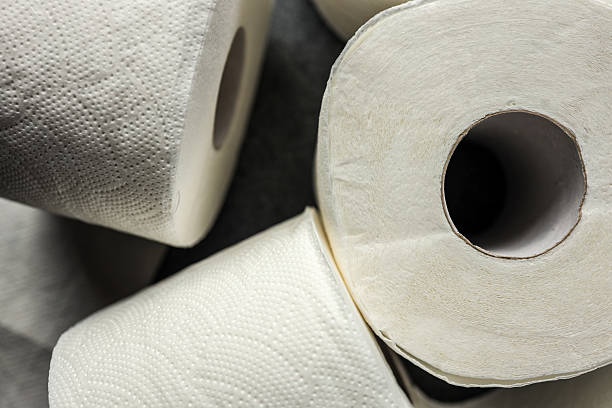
The biggest mistakes to avoid when ordering jumbo roll toilet paper are choosing the wrong roll diameter, mismatching roll sizes with existing dispensers, not considering sheet count against roll length, and not considering ply quality. These errors lead to frequent roll changes, dispenser jams, higher expenses and staff complaints. All avoidable with the correct pre-purchase checklist.
Procurement decisions around jumbo roll toilet paper seem straightforward until a pallet arrives and none of it fits the dispensers. Whether you manage a commercial building, hotel, hospital, or food and beverage facility in Singapore, buying errors at scale create real operational headaches. This checklist walks you through every stage - from sizing to supplier evaluation - so your next order goes right the first time.
Mistake 1: Not Checking Roll Dimensions Against Your Dispenser
This is the most expensive mistake that procurement teams make. Jumbo rolls of tissue come in a variety of core sizes, roll diameters and widths. If your toilet paper dispenser will only take a maximum roll diameter of 26 cm and you order a 30 cm roll, those rolls will not load. You’ve wasted budget and created an immediate supply shortage.
Before placing any order, confirm:
- Maximum roll diameter your dispenser accepts
- Core diameter (typically 2.5 cm or 3.8 cm)
- Roll width to match dispenser spindle length
- Whether the dispenser is centre-feed or standard-feed
Always request a sample roll before committing to bulk quantities. Most reputable suppliers will accommodate this.
Mistake 2: Buying on Price Alone Without Calculating Cost Per Sheet
A lower unit price does not mean lower cost. Two jumbo rolls priced identically may deliver 200 m and 300 m of paper respectively. The 300 m roll at the same price is 33% more cost-efficient per metre - meaning fewer changeovers and lower labour time for your cleaning crew.
Use this simple comparison when evaluating quotes:
In high-traffic facilities like hawker centres or shopping malls, a longer roll means fewer mid-day replacements - a direct reduction in operational cost.
Mistake 3: Ignoring Ply and Sheet Quality for Your User Environment
Not all facilities have the same standards. A corporate office washroom and a construction site toilet have completely different quality expectations. Buying overly thin 1-ply rolls for an office environment will generate complaints. Conversely, buying premium 2-ply for high-volume industrial washrooms inflates cost without proportionate benefit.
Match Product Spec to Facility Type
- Hotels and serviced apartments: 2-ply, higher GSM for comfort
- Hospitals and clinics: Soft, lint-free, often 2-ply for hygiene
- Food and beverage outlets: 1-ply or 2-ply depending on traffic volume
- Industrial and construction sites: 1-ply, high roll length, cost priority
- Corporate offices: Balance between comfort and cost - 2-ply standard
Specifying the wrong product for the wrong environment leads to either excessive usage (thin paper used in greater quantity) or unnecessary overspend.
Mistake 4: Overlooking Dispenser Compatibility as a System Decision
Your jumbo tissue roll and toilet paper dispenser function as a system - not separate purchases. A common procurement error is buying rolls from one supplier and dispensers from another without confirming cross-compatibility. This creates mechanical issues: rolls that drop mid-use, uneven tearing, or dispensers that jam.
Key dispenser compatibility checks:
- Does the dispenser have an adjustable core holder to fit different core sizes?
- Is the dispenser lockable? This matters for theft prevention in public facilities.
- Does the dispenser support stub roll loading - so a second roll feeds automatically when the first runs out?
- Is the dispenser material appropriate for the washroom environment (humidity, chemical exposure)?
When replacing dispensers across multiple washrooms, standardising on one dispenser model across the facility simplifies both procurement and maintenance.
Mistake 5: Ordering Without Accounting for Storage and Usage Cycles
Bulk orders offer better pricing, but jumbo rolls require significant storage space. Tissue paper is moisture-sensitive. Storing large quantities in humid or poorly ventilated areas degrades the product - affecting softness, sheet integrity, and overall performance.
Procurement best practices for storage planning:
- Calculate your average monthly consumption by washroom, then multiply by your desired buffer stock (typically 4-6 weeks)
- Confirm storage conditions: dry, off the floor, away from direct sunlight
- Rotate stock on a first-in, first-out basis
- Avoid over-ordering during promotional periods if storage is limited
Mistake 6: Not Verifying Supplier Reliability and Consistency
Tissue quality can vary between production batches if your supplier does not maintain consistent manufacturing standards. Procurement teams sometimes lock in contracts based on a sample that performs well, only to find that subsequent deliveries are thinner, shorter, or inconsistent in sheet size.
What to Assess Before Committing to a Supplier
- Do they supply consistently to commercial accounts or facilities of similar scale?
- Can they provide product specifications in writing (roll length, ply, core size, GSM)?
- What is their lead time and minimum order quantity?
- Do they offer scheduled delivery to reduce your inventory management burden?
Supplier consistency matters more at scale. A 2% reduction in sheet count per roll across a 1,000-roll order is a material loss.
Mistake 7: Skipping a Pilot Test Before a Facility-Wide Rollout
Even experienced procurement teams make this error. Before switching products across 50 or 100 washrooms, test in two or three high-traffic locations for two to four weeks. Track roll duration, staff feedback, and any dispenser performance issues. This prevents a costly facility-wide mistake from a product that looked good on paper.
Document what you measure: rolls per week per washroom, complaint frequency, and changeover time. This data also helps justify procurement decisions internally.
Quick Pre-Purchase Checklist for Procurement Teams
- Confirm dispenser dimensions: roll diameter, core size, and width
- Calculate cost per metre, not just cost per roll
- Match ply and GSM to facility type and traffic volume
- Verify dispenser and roll compatibility as a system
- Plan storage capacity before committing to order volume
- Request written product specifications from the supplier
- Run a pilot test before a full facility rollout
- Confirm supplier lead times and delivery consistency
Getting these details right upfront saves far more time and money than fixing problems after delivery. For facilities in Singapore looking for a reliable option, Taisin Paper offers commercial-grade jumbo rolls designed to meet the operational demands of high-traffic washrooms - with consistent product specifications and local delivery support.
Tags : .....