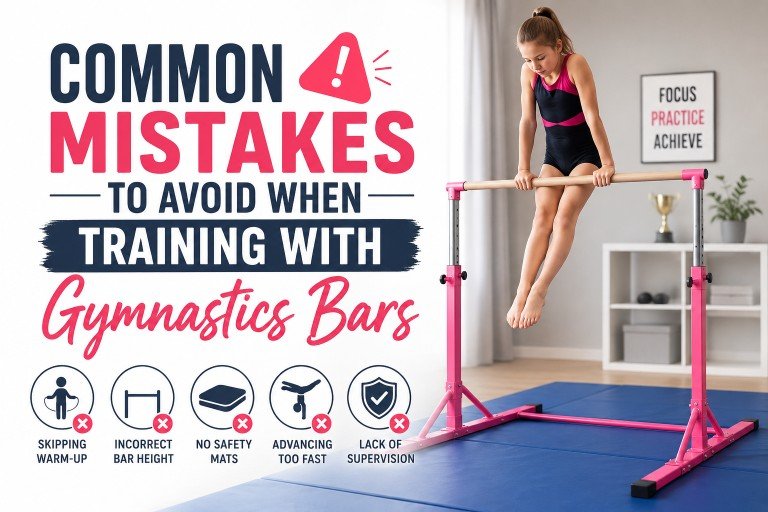
Training at home has become increasingly popular for young athletes and beginners looking to improve their gymnastics skills. One of the most effective pieces of equipment for home practice is Gymnastics Bars. They help develop upper body strength, coordination, flexibility, and confidence while allowing athletes to practice drills outside the gym environment. However, improper use of gymnastics equipment can slow progress and increase the risk of injury.
Parents and gymnasts often focus on learning exciting new skills but overlook the importance of proper setup, safety, and technique. Understanding common mistakes can help athletes build a safer and more productive training routine.
Brands like AirTumble have helped make home gymnastics training more accessible by offering adjustable and foldable equipment designed for younger gymnasts and beginners. Their equipment emphasizes safety, stability, and convenience for home use.
Skipping a Proper Warm-Up
One of the biggest mistakes gymnasts make is jumping straight into training without warming up. Cold muscles are more likely to strain or tear during swings, casts, or pullovers.
A proper warm-up should include:
- Light cardio exercises
- Shoulder and wrist mobility drills
- Stretching for hips, back, and hamstrings
- Core activation exercises
Warm-ups prepare the body for movement and improve flexibility and balance. Even a quick 10-minute routine can significantly reduce injury risk and improve performance.
Using Incorrect Bar Height
Many beginners train with bars set too high or too low for their current skill level. Incorrect height settings can negatively affect posture, swing mechanics, and confidence.
Adjustable Gymnastics Bars are designed to accommodate different ages and abilities, allowing athletes to gradually progress as their skills improve. According to the AirTumble product specifications, their bars can adjust from approximately 3ft to 5ft, making them suitable for growing gymnasts.
Using the correct height helps athletes maintain better body control and proper form while practicing drills safely.
Ignoring Stability and Safety Checks
Another common mistake is failing to inspect equipment before each session. Loose screws, unstable flooring, or improper assembly can lead to dangerous accidents.
Before every workout, gymnasts should:
- Check all bolts and locking systems
- Ensure the bar is placed on a flat surface
- Confirm rubber grips or end caps are secure
- Test the stability before performing swings
Some training bars feature reinforced support systems and rubber end caps to improve stability during practice sessions.
Safety checks only take a few minutes but can prevent serious injuries.
Practicing Without Protective Mats
One of the most overlooked aspects of home gymnastics training is landing protection. Many athletes assume they only need mats for advanced tricks, but even beginner drills can result in falls.
Protective mats help absorb impact and reduce pressure on joints and wrists. Foldable mats are especially useful for home setups because they are easy to store while still providing cushioning during practice. AirTumble also recommends additional matting underneath training bars for improved safety.
Training without mats increases the likelihood of bruises, sprains, and avoidable accidents.
Attempting Advanced Skills Too Soon
Progressing too quickly is one of the most dangerous mistakes in gymnastics training. Social media videos often inspire young athletes to try advanced routines before mastering the basics.
Gymnastics skills should always follow a gradual progression:
- Master basic strength and support holds
- Practice swings and controlled movements
- Build consistency with beginner drills
- Advance only when proper form is achieved
Many gymnastics coaches recommend using home bars mainly for conditioning, beginner drills, and improving strength rather than learning risky advanced skills without supervision. Discussions within gymnastics communities also emphasize the importance of safe progression and proper guidance.
Patience is essential for long-term improvement.
Poor Grip Technique
Grip strength and hand positioning are crucial when using gymnastics bars. Beginners often grip too tightly, place hands unevenly, or fail to adjust their wrists properly.
Poor grip technique can lead to:
- Hand blisters
- Wrist discomfort
- Reduced control during swings
- Faster fatigue
Athletes should keep their hands slightly wider than shoulder width and practice maintaining relaxed but controlled grip pressure. Chalk or grip aids may also help improve comfort during longer sessions.
Consistent grip practice improves endurance and overall bar confidence.
Training Without Supervision
Children especially should not train alone on gymnastics equipment. Even beginner exercises require supervision to ensure proper technique and safety.
Parents or coaches should monitor:
- Correct posture
- Safe mounting and dismounting
- Controlled movement patterns
- Equipment setup
The official guidance on gymnastics training bars also recommends having a coach or spotter present during practice whenever possible.
Supervision helps identify mistakes early before they become habits.
Neglecting Strength and Conditioning
Some gymnasts spend all their time practicing tricks while ignoring foundational strength work. Successful gymnastics training depends heavily on body control and core stability.
Important conditioning exercises include:
- Pull-ups
- Hollow body holds
- Leg lifts
- Push-ups
- Hanging drills
Gymnastics coaches frequently highlight the importance of pull-ups and leg lifts for improving bar performance and skill progression.
A stronger foundation leads to smoother movement and safer training.
Overtraining Without Rest
Many athletes believe that practicing every day leads to faster improvement. In reality, overtraining can cause fatigue, soreness, and burnout.
Rest days are important because they allow muscles and joints to recover. Young gymnasts especially need balanced schedules that include sleep, hydration, nutrition, and recovery time.
Short, focused sessions are often more effective than long exhausting workouts.
Choosing the Wrong Equipment
Not all bars are suitable for beginners or home use. Some low-quality equipment lacks stability, durability, or proper safety features.
When selecting home training equipment, it is important to consider:
- Adjustable height options
- Weight capacity
- Strong construction materials
- Stable base design
- Foldable storage options
Well-designed equipment can make training more comfortable and practical for families with limited space. Products from AirTumble are designed with features like foldable frames, adjustable heights, and padded bars to support safer home training environments.
Investing in quality equipment supports better long-term progress and safety.
Final Thoughts
Home gymnastics practice can be an excellent way for athletes to improve strength, flexibility, and confidence. However, avoiding common mistakes is essential for safe and effective progress. Proper warm-ups, supervision, safe equipment setup, and gradual skill development all play an important role in successful training.
Using high-quality Gymnastics Bars along with consistent conditioning and safety habits can help gymnasts build strong foundations while minimizing unnecessary risks. Whether training for fun, fitness, or competition, smart practice habits always lead to better long-term results.
FAQs
1. Are gymnastics bars safe for home use?
Yes, gymnastics bars can be safe for home use when properly assembled, used with safety mats, and supervised by adults or coaches.
2. What age is suitable for gymnastics bars?
Many beginner gymnastics bars are designed for children aged 4 and above, depending on height, weight, and skill level.
3. How often should beginners train on gymnastics bars?
Beginners can practice 2–4 times per week with rest days included to allow muscles and joints to recover.
4. Why are adjustable gymnastics bars important?
Adjustable bars allow gymnasts to train comfortably as they grow and progress through different skill levels.
5. What exercises help improve bar performance?
Pull-ups, leg lifts, hollow holds, and core conditioning exercises are excellent for improving strength and control on gymnastics bars.
Tags : gymnastics bars