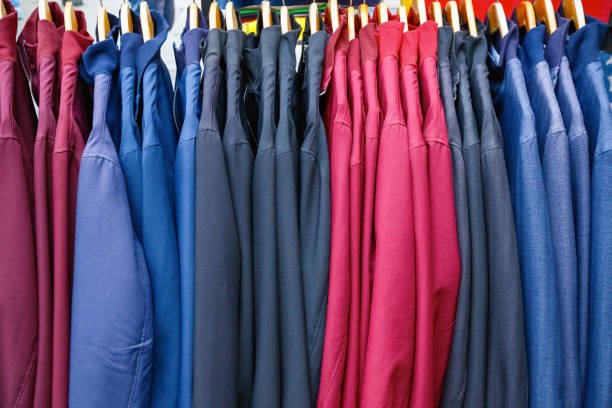
When placing bulk workwear orders, consistent color is not just a detail it’s a reflection of your brand, professionalism, and team unity. Many organizations invest in custom-made uniform services, such as Futuremind Uniforms, to ensure high-quality production, but even experienced suppliers can face challenges with color matching. Without careful planning, small mistakes can lead to mismatched workwear, affecting employee confidence and client perception.
Even a minor variation in shade can make a workwear look unprofessional, particularly when employees interact with clients or work in customer-facing roles. Whether you are ordering workwear for corporate staff, healthcare teams, or service workers, understanding the common pitfalls of color matching can help prevent costly errors and maintain a cohesive, polished look across your workforce. This guide explores the most frequent mistakes in bulk workwear orders and offers practical solutions for flawless results.
Color Matching Mistakes Every Company Makes in Bulk Workwear Orders
1. Not Using Standardized Color Codes
One of the most common mistakes in bulk workwear orders is relying on vague color names such as “red” or “blue.” Color perception varies greatly between suppliers, and even slight differences can be noticeable on workwear. Using standardized color systems, such as Pantone or RAL codes, ensures that everyone involved in production interprets the color accurately. Providing these codes on purchase orders and confirming them with supplier’s guarantees uniformity, preventing mismatched workwear and maintaining a professional brand appearance.
2. Ignoring Fabric Type and Material Differences
Colors can look drastically different depending on the fabric. Cotton, polyester, and blended fabrics absorb dyes differently, which can affect brightness, hue, and texture. Ignoring these variations often results in workwear that appear inconsistent even when the correct color code is used. To prevent this, always request fabric swatches in the exact material intended for your order. Evaluate samples under different lighting conditions to confirm the color matches expectations, ensuring all workwear maintain a cohesive and professional look.
3. Overlooking Dye Lot Variations
Even when the same color code is used, fabric dyed in separate batches may produce subtle variations. These dye lot differences are particularly noticeable in large orders. If workwear are produced in multiple batches without aligning the dye lot, the final set may have noticeable discrepancies. Always coordinate with your supplier to produce all workwear from the same dye lot and document batch numbers for future reference. This ensures all workwear in a bulk order match perfectly, creating a polished and consistent appearance.
4. Failing to Consider Lighting Conditions
Colors can appear differently under various lighting conditions, such as natural sunlight, fluorescent office lights, or outdoor environments. Skipping this step often results in workwear that don’t meet expectations. Always test fabric samples in multiple lighting scenarios before approving production. Ensuring that colors maintain their intended appearance in real-world settings is a simple but crucial step to achieving professional results in bulk workwear orders. Proper lighting assessment ensures your team always looks sharp and coordinated.
5. Skipping Color Proofs or Physical Samples
Digital designs or printed references rarely match the final fabric color. Many businesses make the mistake of approving workwear without requesting physical color samples. Comparing physical samples to your brand reference ensures the color is accurate and prevents costly mistakes. Maintaining a library of approved swatches also supports future orders, ensuring consistent results over time. This approach guarantees that every workwear in your bulk order meets expectations and reflects your brand professionally.
6. Relying Solely on Visual Matching
Human perception of color is subjective and inconsistent. Relying only on visual approval can lead to noticeable mismatches. Using precise tools like spectrophotometers or colorimeters provides objective verification of color accuracy. Combining these tools with visual checks ensures that every workwear matches exactly across all batches. This scientific approach eliminates guesswork, ensures uniformity, and reinforces your brand’s professional image. It’s especially important for large teams where small differences are easily visible.
7. Poor Communication with Suppliers
Miscommunication is one of the biggest causes of color mismatches. Ambiguous instructions can lead to workwear that fail to meet expectations. Always provide detailed documentation of color codes, fabric types, dye lots, and approvals. Using color approval sheets or digital confirmation forms ensures that all parties are aligned before production begins. Clear communication reduces errors, prevents delays, and guarantees consistent, high-quality results, making bulk workwear orders smoother and more reliable.
8. Not Accounting for Washing and Wear
Workwear fade over time due to repeated washing, sunlight, and daily wear. Neglecting to test colorfastness can result in uneven fading, leaving your workwear looking worn and inconsistent. Request that suppliers perform durability and wash tests and provide care instructions. This ensures that workwear retain their color and quality over time, protecting your investment. Proper planning in this area ensures your team maintains a professional, polished appearance throughout the workwear lifecycle.
Conclusion
Achieving perfect color consistency in bulk workwear orders is essential for professionalism, brand identity, and employee confidence. Avoiding mistakes such as skipping dye lot coordination, neglecting fabric testing, or relying solely on digital approvals ensures workwear remain uniform, vibrant, and professional. Implementing standardized color codes, requesting physical samples, and maintaining clear communication with suppliers protects your brand and minimizes errors.
Partnering with trusted providers, such as a medical uniform supplier, ensures precise color matching, durable fabrics, and consistent results. By following these best practices, organizations can achieve flawless workwear across all batches, enhance team confidence, and strengthen brand credibility, all while avoiding costly mistakes in bulk workwear production.
Tags : .....