Commercial Lighting Repair: Keeping Workspaces Safe, Efficient, and Operational
By Bruce Waller 15-04-2026 138
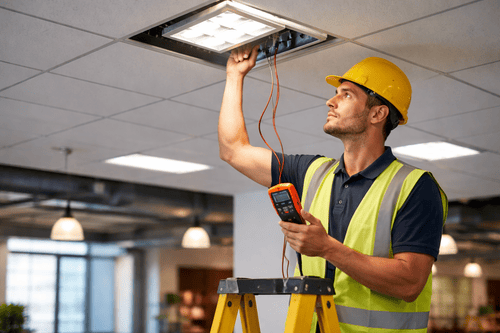
Lighting does more than brighten a space. In commercial environments, it shapes how people work, how customers move, and how safe a site feels at any given time. From warehouses and offices to retail stores and industrial facilities, reliable lighting supports daily operations in ways that often go unnoticed until something stops working.
That is where commercial lighting repair becomes relevant. When fixtures fail, flicker, or lose consistency, it is not just an inconvenience. It may disrupt productivity, create safety concerns, and in some cases lead to higher energy costs. Understanding how lighting systems function and how repairs are handled may help businesses stay ahead of these issues rather than reacting when problems escalate.
Why Lighting Performance Matters in Commercial Settings
In many workplaces, lighting is tied directly to performance. Employees rely on clear, consistent illumination to complete tasks accurately, particularly in environments where detail matters. Poor lighting may lead to eye strain, fatigue, and a higher likelihood of mistakes.
In customer-facing spaces, lighting plays a different but equally important role. It influences how products are presented and how comfortable a space feels. Dim or inconsistent lighting may make a retail store appear less inviting, while overly harsh lighting may create discomfort.
There is also the matter of safety. In warehouses, car parks, and industrial sites, lighting helps reduce the risk of accidents. When fixtures fail or coverage becomes uneven, hazards become harder to spot. This is why addressing lighting issues early, rather than delaying repairs, is often the better approach.
Common Signs That Repairs Are Needed
Lighting systems rarely fail all at once. More often, they show gradual signs of wear or malfunction. Flickering lights are one of the most noticeable indicators, often caused by loose connections, ageing components, or issues within the electrical system.
Another common sign is inconsistent brightness. Some areas may appear dimmer than others, even when the same type of fixture is used. This may point to ballast problems, LED driver faults, or voltage inconsistencies.
Buzzing sounds, delayed start-up, or lights that turn off unexpectedly may also signal underlying issues. While these problems may seem minor at first, they often indicate that parts of the system are beginning to fail.
Engaging professionals who specialise in Commercial lighting repair may help identify the root cause rather than just addressing surface symptoms. This approach often leads to more reliable, longer-lasting outcomes.
The Difference Between Repairs and Full Replacement
One of the more common questions businesses face is whether to repair existing lighting or replace it entirely. The answer depends on several factors, including the age of the system, the type of fixtures in use, and the frequency of issues.
Repairs are often suitable when the problem is isolated. For example, a faulty driver or wiring issue may be resolved without replacing the entire fixture. This may be more cost-effective in the short term and less disruptive to operations.
However, if lighting systems are outdated or experiencing repeated failures, replacement may be worth considering. Modern LED systems tend to offer improved energy efficiency and longer lifespans. In some cases, a mix of repair and gradual upgrades provides a balanced solution.
Energy Efficiency and Cost Considerations
Lighting accounts for a noticeable portion of energy use in many commercial buildings. When systems are not functioning properly, they may consume more power than necessary. Flickering lights, inconsistent output, or failing components may all contribute to inefficiencies.
Addressing these issues through timely repair work may help restore efficiency and reduce operating costs. It also creates an opportunity to assess whether certain areas could benefit from upgrades, such as switching to LED fittings or improving control systems.
While energy savings are not always the primary reason for repairs, they often become a positive side effect of maintaining a well-functioning system.
Compliance and Safety Standards
Commercial properties are subject to various safety and compliance requirements. Lighting plays a role in meeting these standards, particularly in areas such as emergency exits, stairwells, and outdoor spaces.
Faulty lighting may place a business at risk of non-compliance, especially if emergency lighting systems are not functioning as expected. Regular inspections and prompt repairs may help ensure that all systems meet current requirements.
Working with experienced providers allows businesses to address not only visible issues but also less obvious compliance concerns. This may include testing emergency lighting, checking wiring integrity, and confirming that installations align with relevant standards.
Minimising Disruption During Repairs
One of the practical concerns around commercial lighting repair is downtime. Businesses often operate on tight schedules, and any disruption may affect productivity or customer experience.
Professional repair services typically plan work in a way that minimises impact. This may involve scheduling repairs outside of peak hours or working in stages to keep parts of the facility operational.
Clear communication also plays a role. Understanding what work is required and how long it may take allows businesses to plan accordingly and avoid unnecessary interruptions.
The Role of Preventative Maintenance
Rather than waiting for issues to arise, many businesses take a preventative approach to lighting maintenance. Regular checks may help identify early signs of wear, loose connections, or declining performance before they lead to failure.
This approach does not eliminate the need for repairs, but it often reduces the frequency and severity of problems. It also provides a clearer picture of how the lighting system is performing over time.
In environments where lighting is critical, such as manufacturing or healthcare, preventative maintenance becomes even more relevant. It supports continuity and reduces the likelihood of unexpected outages.
Choosing the Right Approach for Your Space
Every commercial setting has its own requirements. A retail store may prioritise visual appeal and consistent brightness, while a warehouse may focus on coverage and durability.
Because of this, there is no single approach when it comes to lighting repairs. The most effective solution usually involves assessing how the space is used, what type of lighting is installed, and where issues are occurring.
Seeking input from experienced electricians may help identify practical solutions that align with both operational needs and budget considerations. Whether it involves targeted repairs or a broader upgrade strategy, the goal is to create a lighting system that supports the way the space is used.
Looking Ahead
As technology continues to evolve, lighting systems are becoming more advanced. Smart controls, automated sensors, and energy-efficient designs are increasingly common in commercial environments.
While these developments offer new opportunities, they also introduce additional complexity. Repairing modern systems often requires specialised knowledge and tools. Staying informed about these changes may help businesses make better decisions when issues arise.
Commercial lighting repair is not just about fixing what is broken. It is part of maintaining a functional, safe, and efficient environment. When approached thoughtfully, it supports both day-to-day operations and long-term planning.
Tags : Commercial Lighting Repair