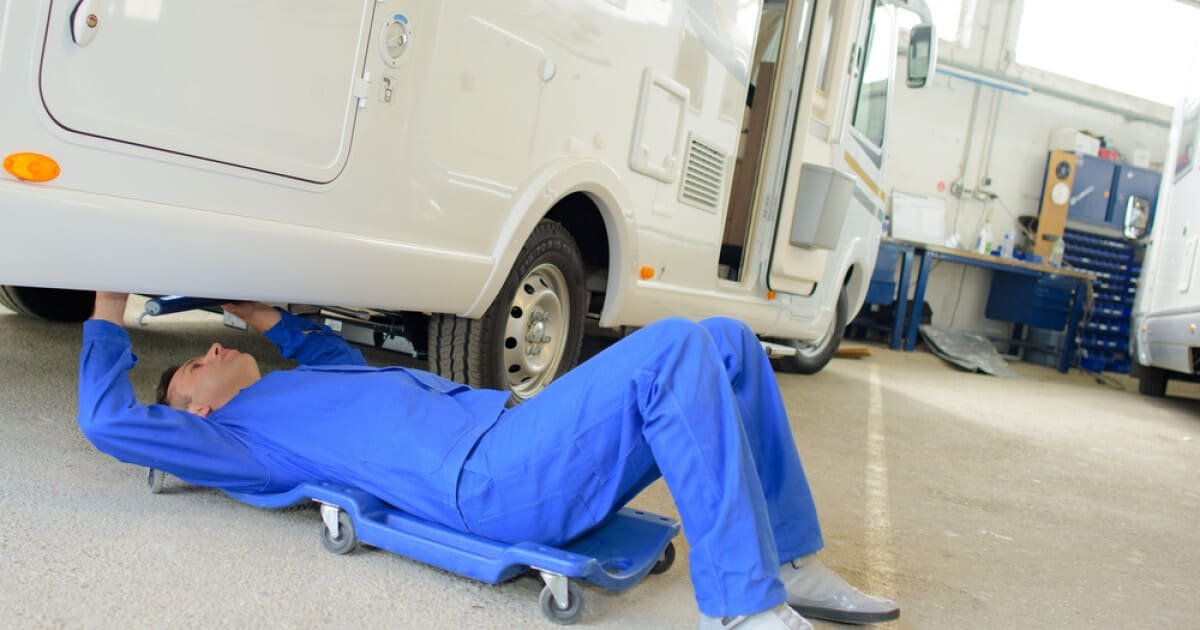
It's common to think of a current coach as just a bigger automobile when you see one racing down the highway. There is actually much more going on beneath the surface. The outcome of careful engineering, professional workmanship, safety testing, and routine maintenance is a road-ready coach. The ability of coaches to safely transport dozens of individuals across cities, highways, and even nations can be clarified with an understanding of how they work. Moving from one location to another is not the only thing a coach must do. Coach works involves the construction, repair, maintenance, and improvement of coaches to ensure they remain safe, reliable, comfortable, and road-ready.
What Does "Coach Works" Mean?
Coach works" encompasses the construction, maintenance, repair and bodywork that are needed to keep a coach in peak condition. In the past, coach construction included building a vehicle's body independent of its mechanical parts. The technique today is much more sophisticated and a mix of better materials, specialised mechanical systems, CAD and modern manufacturing. Coachwork is used on the outer body, cabin, doors, windows, floor and lights as well as the vehicle's structural frame. Changing the layout to improve comfort, accessibility, or looks may also qualify for this classification if it is the result of an accident or a modification.
Build a Strong Structure First!
One of these elements is the shape of an automotive structure ready for the road. It means a coach will carry a significant number of passengers and will be much larger than a standard passenger car. Consequently, the structure of its body and frame should have high weight resistance and strain resistance. It works by allowing engineers to create a framework strong enough to resist the forces generated during cornering, braking and accelerating, uneven roadways and changing weight from passengers. Modern coaches frequently incorporate strong, yet comparatively lightweight parts to enhance durability without redundant weight. The body panels serve an effective purpose as well. They add to the vehicle's strength overall, make it more aerodynamic and also help to keep rain and road debris from the inside.
The Mechanical Systems Must Work Together
For an impressive outward appearance, a coach's mechanical aspects are what make it roadworthy. Important aspects are the gearbox, suspension, steering, brakes and engine and electrical components operating correctly. A highly loaded vehicle could be driven by the engine's power that is transmitted to the wheels efficiently by the gearbox. When coaches are often travelling long distances, a high degree of reliability is particularly important. On a back road, a mechanical problem can cause discomfort and even damage motorists. Braking is equally as important. When your bus is loaded, you can't have unreliable brake response – it's several times the speed of an ordinary car.
A Component of Engineering is Passenger Comfort
Becoming "road-ready" is more than just being safe. Comfort will also be key, especially for passengers who will be on board for long periods. Seats should have adequate support and also fill the extra space. Ventilation, climate control, lighting, and accommodation for the sound and mobility of passengers within the cabin have to be considered as well when building the interior. Heating and cooling systems are extremely important as coaches are used in all kinds of weather. A nice cabin could make a lot of difference when travelling long distances. In addition, contemporary cars might have the ability to connect to Wi-Fi, be equipped with a multimedia program, allow USB charging, provide reading lamps, offer adaptable passenger seats, and have enhanced storage for luggage.
Brakes are Not the Only Part of Safety!
There are several layers of safety that need to be built into a coach to ensure it is roadworthy. These are only a part of the problem with braking. Seat belts, fire exits, strong doors, appropriate lighting, good sight lines and clear communications enhance passenger safety. In addition, the driver position is carefully designed for visibility and convenient access to the controls. Another level of protection can be offered by advanced driver-assistance technology. These can aid in parking, collision alerting, lane keeping, and maintaining safe following distance, at the discretion of the coach. Technology, however, is unable to take the place of upkeep or safe driving. A skilled driver and properly functioning parts are crucial to even the most complex safety systems.
Final Words
To make a driver road-ready, a strong engine and an attractive exterior are necessary. All components, from the suspension to bodywork, seats, safety equipment, braking system and even structural elements, are all essential to assuring the safety and comfort of passengers. In this case, the help of the expert coach is indispensable.
Tags : .....