Chestnut: Gluten-Free Applications, Bakery Innovation, and Nutritional Awareness Shape Demand
By kyle 17-09-2026 1
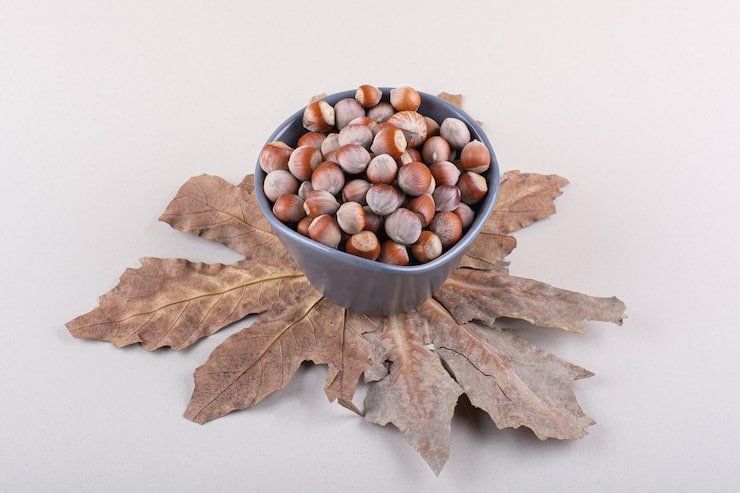
Chestnuts are gaining attention as a versatile food ingredient because of their nutritional profile, naturally gluten-free characteristics, and wide range of culinary applications. They can be consumed fresh, roasted, cooked, dried, or processed into flour and puree, allowing them to serve both household consumers and food manufacturers. Growing interest in healthier diets and alternative ingredients is also encouraging greater use of chestnuts in bakery, confectionery, snacks, and prepared foods.
A comprehensive MarkNtel Advisors global chestnut industry assessment examines the sector across chestnut types, end users, distribution channels, and regions. The Industry covers sweet, American, Chinese, Castanea, and dwarf chestnuts, while analyzing residential, hospitality, and food-processing applications alongside offline and online distribution.
Chinese Chestnuts Hold a Strong Position
Chinese chestnuts represent the leading type within the industry, according to MarkNtel Advisors. Their adaptability to different climates and soils supports cultivation across China and other parts of East Asia.
Their sweet, nutty flavor and applications in flour, paste, soups, salads, breads, pancakes, and confectionery further support their commercial relevance.
Bakery Applications Create Opportunities
Chestnuts are increasingly used in bakery and confectionery products. Chestnut flour can be incorporated into bread, cakes, biscuits, pasta, sauces, breakfast cereals, and other products, while chestnut puree can be used in pastries, muffins, cookies, puddings, fillings, and desserts.
This versatility enables food manufacturers to develop products with distinctive flavor, texture, and nutritional characteristics.
Gluten-Free Products Expand Usage
One of the important opportunities for chestnuts comes from their naturally gluten-free composition. Chestnut flour can replace wheat flour in selected recipes, making it useful for manufacturers developing gluten-free bakery and food products.
Research indexed through the FAO Agricultural Science and Technology database also highlights chestnut's nutritional and functional characteristics and its potential for food-product development.
Nutritional Characteristics Attract Consumers
Chestnuts differ from many conventional tree nuts because they are comparatively low in fat and rich in carbohydrates and starch. The FAO notes that chestnuts contain approximately 37–45% starch, relatively low lipid content, dietary fiber, and minerals such as potassium.
This nutritional profile can support product positioning around dietary diversity and alternative carbohydrate sources.
Food Processing Creates Value-Added Products
Processing allows chestnuts to move beyond fresh consumption. Flour, puree, dried chestnuts, roasted products, pastes, and other processed forms can extend their applications across the food industry.
Chestnut flour is particularly useful because it can be incorporated into multiple recipes, allowing manufacturers to develop specialized products rather than relying exclusively on whole nuts.
Hospitality Supports Consumption
Hotels, restaurants, cafés, bakeries, and specialty food outlets can use chestnuts across seasonal menus and premium dishes.
Roasted chestnuts, chestnut desserts, soups, sauces, pastries, and specialty beverages can provide distinctive menu offerings, particularly during colder seasons and festive periods.
Seasonal Products Create Differentiation
Chestnuts are strongly associated with autumn and winter consumption in several markets. Seasonal roasting, festive desserts, confectionery, and specialty bakery products can therefore create opportunities for limited-time product launches.
Seasonality can also support promotional campaigns around holidays, festivals, and traditional culinary occasions.
Offline Retail Remains Important
Offline distribution channels, including supermarkets, hypermarkets, convenience stores, and chestnut specialty stores, hold a leading position in the MarkNtel Advisors assessment.
Physical retail allows consumers to inspect chestnut quality directly and remains particularly relevant in markets where traditional shopping and specialty food stores are well established.
Online Channels Expand Accessibility
E-commerce provides another route for selling fresh, roasted, dried, packaged, and processed chestnut products.
Online channels can be particularly useful for specialty chestnut varieties, imported products, chestnut flour, puree, and premium packaged products. Digital platforms also allow brands to communicate preparation instructions, recipes, sourcing information, and product characteristics.
Asia-Pacific Leads Production Activity
Asia-Pacific represents the leading regional area in the MarkNtel Advisors assessment, supported by major producing countries such as China, South Korea, and Japan. China is identified as the dominant producer and exporter within the region.
The FAO also identifies Asia as accounting for approximately 70% of global chestnut production, with China, South Korea, Japan, and other Asian producers contributing significantly.
China Strengthens Regional Supply
China plays an important role across cultivation, processing, domestic consumption, and exports. Its large production base supports availability for food manufacturers and international buyers.
Chinese chestnuts are also valued for their resistance to chestnut blight compared with susceptible varieties, helping support their cultivation across different production areas.
Disease Management Remains a Challenge
Chestnut cultivation is vulnerable to several diseases and pathogens, including chestnut blight, phytophthora root rot, nut rots, and other plant-health issues.
The FAO highlights chestnut blight as a significant historical threat, particularly to American chestnut populations. Disease prevention, resistant varieties, orchard management, and research therefore remain important for maintaining reliable production.
Research Supports Resistant Varieties
Research into disease-resistant chestnut varieties is creating long-term opportunities for the industry. In 2023, researchers associated with the University of Georgia's Warnell School of Forestry and Natural Resources collected thousands of chestnuts as part of efforts to identify genetic characteristics associated with resistance to chestnut blight.
Such initiatives could contribute to restoration efforts and improved cultivation resilience over time.
Processing Can Improve Resource Utilization
Chestnut processing generates shells, skins, leaves, and other by-products. Research has identified bioactive compounds in chestnut processing residues, creating potential opportunities for extracting additional value from material that might otherwise become waste.
This supports the development of more circular processing models involving food ingredients, extracts, and other value-added applications.
Product Innovation Broadens Applications
Manufacturers can introduce chestnut-based products across multiple categories, including:
- Chestnut flour
- Chestnut puree
- Roasted chestnuts
- Chestnut spreads
- Bakery products
- Pasta
- Breakfast cereals
- Sauces
- Soups
- Desserts
- Snacks
- Confectionery
The diversity of applications allows producers to target both traditional consumers and modern health- and ingredient-conscious audiences.
Premium Positioning Creates Opportunities
Specialty varieties, origin-specific products, organic chestnuts, premium roasted products, and artisanal chestnut preparations can command stronger differentiation.
Packaging, sourcing information, regional identity, and processing methods can all contribute to premium positioning.
Competitive Landscape
The competitive environment includes chestnut growers, agricultural cooperatives, processors, specialty retailers, food manufacturers, exporters, and branded chestnut-product companies.
Companies identified by MarkNtel Advisors include Washington Chestnut Company, Potash Farm, Poulis S.A., Route 9 Cooperative, Chestnut Hill Outdoors, The Galician Naiciña Company, Shuuwa Industrial Co., Ltd., Qinhuangdao Yanshan Chestnut Co., Ltd., Harrison's California Chestnuts, Pomar das Castanhas, Valley Chestnuts, and Chestnut Charlie's Organic Nuts, among others.
Conclusion
The global chestnut industry is being shaped by nutritional awareness, gluten-free food development, bakery and confectionery applications, product diversification, and growing interest in value-added ingredients. Chestnuts can move across multiple food categories through flour, puree, roasted products, pastes, snacks, and specialty formulations.
Asia-Pacific remains central to production, while disease management, processing efficiency, sustainability, and product innovation will influence future industry development. Companies that combine reliable sourcing with innovative processing, convenient packaging, and differentiated applications can capture opportunities across household, hospitality, retail, and food-processing channels.
Tags : Chestnut