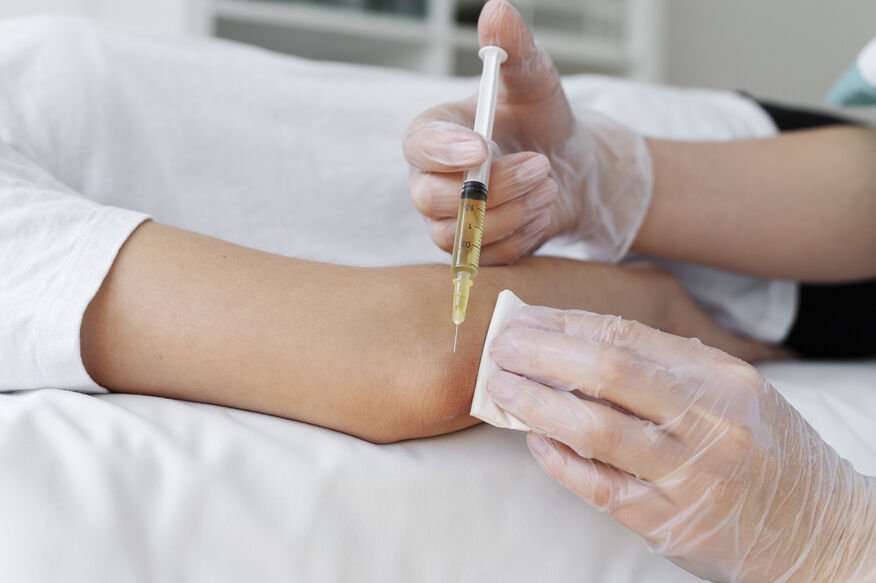
Ligament injuries are notoriously slow to heal due to limited blood supply in this type of tissue. Many people look for ways to support faster, stronger recovery beyond rest and physical therapy alone. Peptide therapy has become a topic of interest for those exploring additional support during ligament recovery and rehabilitation. This has led to growing curiosity about whether these compounds can genuinely improve outcomes.
Ligament Injuries and Recovery Peptides Explained
Ligaments are tough connective tissues that stabilize joints, but they have less blood flow than muscles, which slows healing. Peptides for ligament repair are being studied for their potential to support the body's natural regenerative response after injury. This section covers the basics of what these peptides do and why interest in them continues to grow.
Why Ligaments Are Slow to Heal
Unlike muscles, ligaments receive a limited blood supply, which means fewer nutrients and repair cells reach the injury site. This naturally extends healing time and makes full recovery a slower, more gradual process for most people. Understanding this biological limitation helps explain why patience is such an important part of the recovery process.
Without proper support, scar tissue can form instead of strong, organized fibers, leaving the ligament weaker than before. This can increase the risk of re-injury if healing isn't managed carefully over time.
How Peptides Support Tissue Regeneration
Peptides act as signaling molecules that communicate with cells involved in tissue repair. Some peptides are studied for their ability to encourage fibroblast activity, which plays a key role in rebuilding connective tissue after injury.
Researchers exploring peptides for ligament repair have looked at compounds like BPC-157 and TB-500 for their potential role in soft tissue recovery. Early findings suggest these peptides may support faster, more organized healing.
Reducing Inflammation After a Ligament Injury
Inflammation is a normal part of the healing response, but too much of it can slow recovery and increase discomfort. Managing inflammation properly in the early stages of injury supports better long-term outcomes.
Some peptides are studied for their potential to help regulate the body's inflammatory response after soft tissue injury. This may create a more favorable environment for the ligament to begin rebuilding itself. Finding the right balance is important, since inflammation also plays a necessary role in signaling repair.
Rebuilding Collagen in Damaged Ligaments
Ligaments are made largely of collagen fibers arranged in a specific, organized pattern that gives them strength. After injury, the body needs to rebuild this structure correctly to restore full function and stability. Without this structural rebuilding, the ligament may remain weaker and more prone to future strain.
Peptides may help support this rebuilding process by encouraging cells to produce new collagen fibers in the proper alignment. Well-organized collagen tends to result in a stronger, more resilient ligament over time.
Peptides and Physical Therapy Together
Peptide therapy is generally viewed as a complement to physical therapy, not a substitute for it. Movement, stretching, and targeted exercises remain essential for restoring strength and range of motion after injury.
When combined thoughtfully, peptides and rehabilitation exercises may work together to support a more complete recovery. A structured plan guided by a professional often produces the best overall results. Skipping rehabilitation, even with peptide use, often leads to slower or incomplete recovery overall.
Choosing the Right Peptides for Ligament Repair
Not every peptide is suited for the same type of injury, so choosing the right option depends on the severity and location of the damage. A licensed provider can help determine which approach fits best. Taking time to research options and ask questions can make a meaningful difference in outcomes.
Quality and sourcing also matter significantly, since peptide purity can vary widely between suppliers. Working with a reputable, physician-supervised source helps ensure safety and consistency throughout the recovery process.
What Recovery Timelines Typically Look Like
Recovery timelines vary depending on the severity of the ligament injury and the individual's overall health. Mild sprains may improve within weeks, while more serious tears often require several months of consistent care.
Supporting a Smarter Ligament Recovery
Recovering from a ligament injury takes time, patience, and the right combination of support. Peptide therapy is one option some people explore alongside physical therapy and proper rest, though results vary by individual. Organizations like Helio Peptide are part of a growing space researching these approaches, but any treatment plan should involve guidance from a licensed medical provider.