When building or renovating a cabin, tiny home, or remote property, waste management is one of the most important things to consider. Traditional septic systems can be expensive to install and may require significant space, excavation, maintenance, and suitable soil conditions. This is why many property owners are exploring alternative sanitation options and asking, can an incinerating toilet replace a septic system?
The short answer is yes, an incinerating toilet can replace the septic system for toilet waste in some situations, but it does not replace every function of a septic system. Local regulations and the property's overall wastewater needs should always be considered.
How Does an Incinerating Toilet Work?
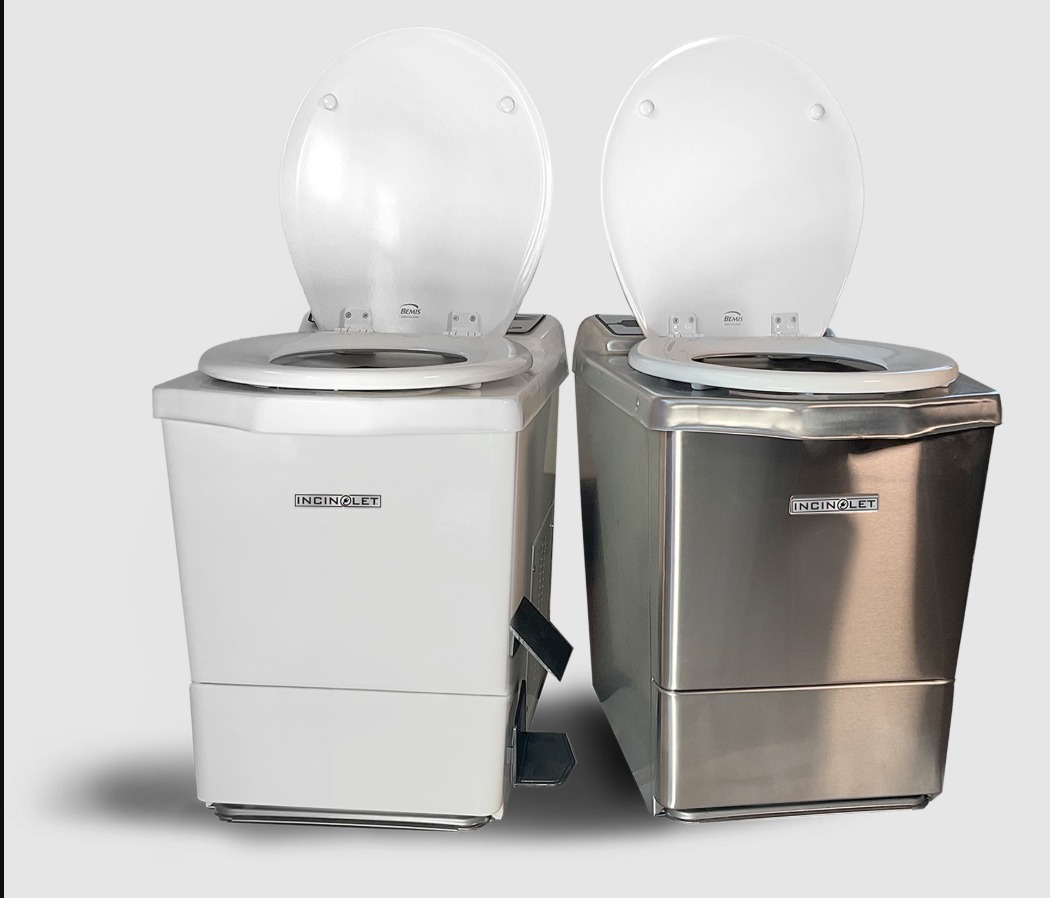
An electric incinerating toilet such as Incinolet uses heat instead of water to process human waste. Rather than flushing waste through plumbing into a septic tank, the waste is collected inside the toilet and treated through a high-temperature incineration cycle.
After processing, only a small amount of dry ash remains. This greatly reduces the volume of waste that needs to be handled and eliminates the need to send toilet waste into a conventional septic tank.
Because Incinolet does not require water for flushing, it can be particularly useful for cabins, tiny homes, recreational properties, and locations where installing traditional plumbing is difficult.
Does It Eliminate the Need for All Wastewater Treatment?
Not necessarily. A septic system normally handles wastewater from toilets, sinks, showers, and other household fixtures. An incinerating toilet only addresses toilet waste.
If a property has sinks or showers, the owner may still need an appropriate graywater or wastewater management system. Local health departments and building authorities may also have specific requirements for alternative sanitation systems.
Therefore, an incinerating toilet should be viewed as an alternative to the toilet portion of a septic setup rather than a universal replacement for all household wastewater treatment.
Environmental Benefits and Safety
One of the biggest potential environmental benefits of Incinolet is water conservation. Conventional toilets use water every time they are flushed, while an incinerating toilet processes waste without water.
Reducing waste volume can also simplify waste management. However, an electric toilet does consume energy, so its environmental impact depends partly on the source of electricity. When powered by renewable energy such as solar power, it can fit well within a resource-conscious off-grid setup.
Safe operation requires proper installation, ventilation, electrical connections, and regular maintenance. Ash should be removed and handled according to manufacturer instructions and applicable local regulations.
Future Uses of Incinerating Toilets
As interest in off-grid living, tiny homes, sustainable construction, and water conservation continues to grow, incinerating toilets may become more useful in places where conventional sewage infrastructure is unavailable.
Future applications could include remote cabins, recreational properties, temporary housing, emergency facilities, eco-focused developments, and other buildings located far from municipal sewer systems.
Advancements in solar technology, battery storage, and energy-efficient systems could also make electric incinerating toilets more practical for off-grid properties.
Final Thoughts
So, can an incinerating toilet replace a septic system? In certain applications, an Incinolet can replace the septic-system function associated with toilet waste, but it does not automatically eliminate the need to manage wastewater from sinks, showers, or other fixtures. For the right property, it can provide a water-free sanitation solution while reducing waste volume and offering flexibility where conventional septic installation is challenging.
Tags : Modern toilet incinerating toilet