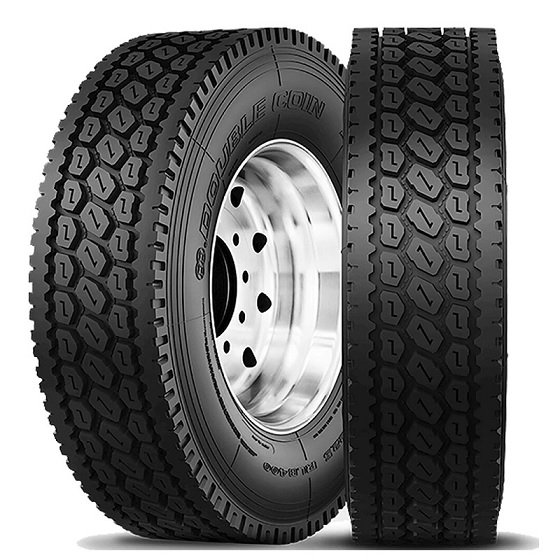
The commercial transportation industry depends on durable and reliable tires to maintain safe operations, improve fuel efficiency, and reduce operating costs. Companies involved in logistics, construction, mining, and regional freight often purchase truck tires in large quantities to ensure consistent fleet performance and uninterrupted operations. Bulk 295/75R22.5 tires Thailand has become a commonly searched topic among businesses looking to understand international tire sourcing, product specifications, and export opportunities. Learning about tire standards, manufacturing quality, and supplier evaluation helps buyers make informed purchasing decisions regardless of their industry.
Thailand has established itself as an important manufacturing and export hub for commercial vehicle tires. Its strong rubber industry, modern production facilities, and international shipping infrastructure support buyers across many countries. Whether purchasing replacement tires for existing fleets or planning large-scale procurement, understanding the overall sourcing process can improve purchasing confidence and long-term operational efficiency.
Why Thailand Has Become a Major Tire Manufacturing Hub
Thailand is recognized worldwide for its natural rubber production, making it an important location for tire manufacturing. The availability of quality raw materials allows manufacturers to maintain consistent production while supporting global demand for commercial truck tires.
In addition to raw material availability, manufacturers invest in advanced production technologies, quality inspections, and internationally recognized manufacturing standards. These factors contribute to reliable products that meet the expectations of commercial transportation businesses operating under different road and weather conditions.
Export infrastructure also plays a significant role. Well-developed ports and logistics networks simplify international shipments, helping buyers receive products through established global trade routes.
Understanding the 295/75R22.5 Tire Size
The 295/75R22.5 tire size is widely used on heavy-duty commercial trucks operating in regional and long-distance transportation. This size offers a practical balance between load-carrying capability, stability, and fuel-efficient performance.
Several factors make this tire size popular among fleet operators:
- High Load Capacity – Designed to support heavy commercial vehicles carrying significant cargo over long distances.
- Stable Highway Performance – Provides dependable handling and stability during extended highway driving.
- Durable Construction – Engineered to withstand demanding transportation environments while maintaining structural integrity.
- Wide Compatibility – Suitable for many tractors, trailers, delivery trucks, and regional freight vehicles.
Selecting the correct tire specification always depends on axle position, vehicle application, and manufacturer recommendations.
Important Factors When Buying Commercial Truck Tires
Purchasing truck tires involves more than comparing prices. Fleet managers often evaluate several performance indicators before making purchasing decisions.
Tire Construction
Commercial tires are designed using multiple layers that provide durability, strength, and resistance to road hazards. Strong construction helps reduce unexpected downtime caused by tire damage.
Rubber Compound
Different rubber compounds perform differently depending on climate, road conditions, and operating environments. Manufacturers develop specialized compounds that balance durability with traction and rolling resistance.
Tread Design
Tread patterns influence water evacuation, grip, fuel efficiency, and tread life. Different applications require different tread styles for steering, drive, or trailer positions.
Heat Resistance
Commercial trucks frequently travel long distances while carrying heavy loads. Tires designed with effective heat management generally perform more consistently during continuous operation.
Benefits of Buying Tires in Bulk
Many transportation companies purchase commercial tires in larger quantities rather than placing small individual orders throughout the year.
Some practical advantages include:
- Inventory Planning – Maintaining adequate stock reduces unexpected shortages during peak operating periods.
- Consistent Specifications – Purchasing similar production batches helps maintain uniform fleet performance.
- Simplified Logistics – Larger shipments may simplify import planning and warehouse management.
- Long-Term Supply Stability – Bulk purchasing supports better planning for fleet maintenance schedules.
These advantages can vary depending on fleet size, storage capacity, and operational requirements.

Quality Standards Buyers Should Review
International buyers generally evaluate several quality indicators before selecting commercial truck tires.
Manufacturing Certifications
Factories commonly operate under internationally recognized quality management systems that promote production consistency and product reliability.
Testing Procedures
Commercial tires undergo numerous evaluations including durability testing, endurance testing, load capacity verification, and dimensional inspections before export.
Compliance Requirements
Different countries require specific certification standards before imported truck tires can enter local markets. Buyers should verify applicable regulations before completing purchases.
Logistics and Export Considerations
International tire procurement requires careful planning beyond product selection.
Important considerations include:
- Shipping Documentation – Accurate paperwork supports smoother customs clearance.
- Container Loading – Proper loading methods help maximize shipping efficiency while protecting products.
- Import Regulations – Every destination country maintains unique customs requirements.
- Delivery Scheduling – Coordinating production and shipping timelines helps minimize operational disruptions.
Understanding these logistical aspects contributes to more efficient international trade.
The Role of Tire Maintenance After Purchase
Even high-quality commercial tires require proper maintenance to maximize service life.
Fleet operators commonly monitor tire performance through regular inspections and maintenance programs.
Recommended maintenance practices include:
- Routine Pressure Checks – Proper inflation supports fuel efficiency and helps reduce uneven tread wear.
- Wheel Alignment – Correct alignment promotes balanced tire wear across the fleet.
- Regular Rotation – Tire rotation distributes wear more evenly among axle positions.
- Visual Inspections – Identifying cuts, punctures, or irregular wear patterns early helps prevent larger maintenance issues.
Consistent maintenance often improves both safety and operational efficiency.
Choosing a Reliable International Supplier
Selecting an overseas supplier involves evaluating several practical factors instead of focusing solely on pricing.
Experienced buyers typically review manufacturing capacity, export history, communication quality, documentation accuracy, and shipment reliability. A supplier capable of maintaining consistent quality across multiple shipments often provides greater confidence for long-term procurement planning.
Buyers may also request production information, inspection reports, or product specifications before confirming larger commercial orders. These steps help establish transparency throughout the purchasing process.
Comparing Different Commercial Tire Sizes
Although the 295/75R22.5 size remains widely used, transportation companies often operate vehicles requiring different tire dimensions depending on application.
Factors influencing tire size selection include:
- Vehicle configuration
- Maximum legal load limits
- Driving environment
- Highway versus regional operation
- Manufacturer recommendations
- Fuel efficiency objectives
Matching tire specifications with actual operating conditions contributes to better fleet performance and maintenance planning.
Export Trends in the Commercial Tire Industry
Global transportation continues evolving alongside increasing freight demand and infrastructure development. Commercial vehicle operators seek products that balance durability, operational efficiency, and long service life.
As international trade expands, buyers increasingly compare manufacturing quality, production consistency, shipping reliability, and technical support before selecting suppliers. This broader evaluation process encourages long-term partnerships based on dependable product performance rather than short-term purchasing decisions alone.
Businesses researching Bulk 295/75R22.5 tires Thailand frequently compare production capabilities, export experience, and logistics support alongside technical product specifications. At the same time, buyers looking for an 11R22.5 Truck Tires Thailand Exporter often review manufacturing standards, international certifications, and shipment reliability before making procurement decisions.
Common Questions Buyers Ask Before Ordering
International buyers often seek answers to practical questions before placing commercial tire orders.
Some of the most common considerations include:
- What certifications are available? Buyers usually verify compliance with destination market requirements before import.
- How are tires packaged? Proper packaging helps protect products during international transportation.
- Can mixed container orders be arranged? Some buyers require multiple tire sizes within a single shipment depending on fleet needs.
- What production timelines should be expected? Manufacturing schedules vary depending on order volume and product availability.
Clear communication during the planning stage helps minimize misunderstandings throughout the purchasing process.
Commercial truck tire procurement requires careful consideration of product quality, manufacturing standards, export logistics, and long-term operational requirements. Buyers who understand tire specifications, maintenance practices, certification requirements, and international shipping processes are generally better prepared to make informed purchasing decisions. As global transportation continues to expand, sourcing reliable commercial tires remains an important part of maintaining efficient fleet operations. Whether researching Bulk 295/75R22.5 tires Thailand for large fleet purchases or evaluating suppliers with export capabilities, informed decision-making supports better long-term results.