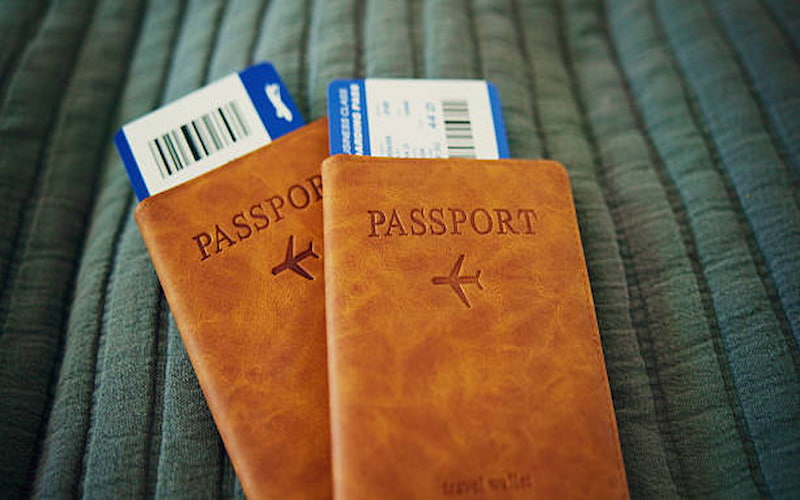
Bulgaria is rapidly becoming one of Europe’s most sought-after travel destinations, attracting visitors with its charming old towns, pristine beaches along the Black Sea, and breathtaking mountain ranges. For anyone planning a trip, understanding the Bulgaria Visa Policies is crucial to avoid last-minute surprises at the embassy or during travel. If your visit is brief, a Bulgaria short-term visa allows you to experience Bulgaria and even explore other Schengen countries conveniently. Companies like Go Kite Tours can help plan your journey, ensuring a smooth visa process and a stress-free travel experience.
For longer stays, whether for work, study, or family reunification, proper planning is essential. Knowing the requirements for extended stays in Bulgaria allows travelers to meet all legal obligations and enjoy their time in the country without interruptions. This guide explains everything from visa types to practical tips, making it a complete resource for your trip.
Complete Guide to Bulgaria Visa Policies for Short-Term and Extended Visits
Overview of Bulgaria Visa Policies
Bulgaria’s visa framework is structured to accommodate both short-term travelers and those seeking extended stays. There are three main categories of visas:
- Type A – Airport Transit Visa: For travelers passing through Bulgarian airports en route to other destinations.
- Type C – Short-Term Visa: Allows stays up to 90 days within any 180-day period, now aligned with Schengen visa rules.
- Type D – Long-Term Visa: Required for stays exceeding 90 days, such as for employment, study, family reunification, or business investment.
All visitors must hold a passport valid for at least three months beyond their planned departure date from Bulgaria and should have at least two blank pages for visa stamps. Following these Bulgaria Visa Policies ensures your travel experience begins smoothly.
Short-Term Visa (Type C) – Up to 90 Days
The Bulgaria short term visa is ideal for tourists, business visitors, and travelers exploring the Schengen region. Travelers from visa-required countries must secure this visa prior to arrival. Visitors from visa-exempt countries, including the U.S., Canada, Japan, and several others, can enter Bulgaria for up to 90 days without a visa. Travelers with valid Schengen visas or residence permits from Schengen countries or neighboring nations such as Romania, Cyprus, or Croatia can also enter Bulgaria without a separate visa.
One key regulation to note is the 90/180-day rule. Travelers must ensure that their total stay in Bulgaria and the Schengen zone does not exceed 90 days in any rolling 180-day period. Violating this rule can lead to fines, travel bans, and difficulties with future visa applications.
Required documents for a short-term visa include a valid passport, completed visa application, travel itinerary, proof of accommodation, and travel health insurance covering the entire period of stay. Careful preparation can make the application process smooth and hassle-free.
Long-Term Visa (Type D) – Extended Stays
For stays exceeding 90 days, travelers must apply for a Type D long-term visa. This visa is essential for individuals relocating to Bulgaria for work, study, family reunification, research, or business purposes.
Type D visas generally allow multiple entries and are valid from six to twelve months, depending on the purpose of stay. Travelers must also apply for a residence permit upon arrival to legally extend their stay beyond the visa validity. Required documentation includes the visa application form, proof of purpose (such as work contracts, university admission letters, or marriage certificates), financial statements, and health insurance coverage.
Long-term visas not only allow travelers to legally stay in Bulgaria but also open doors to opportunities such as employment, higher education, and family life, making them essential for anyone planning an extended visit.
Visa Exemptions and Special Considerations
Citizens of EU/EEA countries and Switzerland do not require a visa for stays of up to three months. For longer stays, they need to register for a residence certificate. Starting in 2026, travelers from visa-exempt countries may need an ETIAS travel authorization, similar to the U.S. ESTA system.
It’s important to note that short-term visa holders cannot engage in employment. If your purpose includes work, a Type D visa is required. Being informed about exemptions and requirements ensures that travelers comply with regulations and avoid unnecessary complications.
Practical Tips for Travelers
To make the visa process smooth, travelers should:
- Apply at least two months before the intended travel date to account for processing times.
- Ensure all documents are complete and accurate, clearly demonstrating the purpose of the visit and financial stability.
- Maintain travel health insurance for the full duration of the stay.
- Plan to apply for a residence permit promptly if staying long-term.
- Consider professional travel services such as Go Kite Tours, which can simplify visa applications, travel planning, and itinerary arrangements.
Following these tips can save time, reduce stress, and allow you to focus on enjoying Bulgaria’s rich culture and natural beauty.
Conclusion
Understanding Bulgaria Visa Policies is essential for a smooth, enjoyable, and legal visit to the country. A short-term visa allows visitors to explore Bulgaria and the Schengen region without obstacles, while planning ahead for a Bulgaria long-stay visa ensures that extended stays are lawful and hassle-free. Proper preparation, accurate documentation, and compliance with visa rules allow travelers to make the most of Bulgaria’s historic cities, scenic landscapes, and vibrant culture.
With the right guidance and preparation, your trip can be an unforgettable experience. By planning ahead and understanding the requirements, travelers can enjoy Bulgaria confidently and safely.
Tags : Best Travel Agency in India