The United Arab Emirates is synonymous with architectural marvels. From the dizzying heights of the Burj Khalifa to the sprawling, futuristic layouts of its developing residential communities, the nation is a global leader in construction innovation. However, the definition of a "modern building" has shifted. It is no longer just about height or aesthetic grandeur; it is about sustainability, efficiency, and structural resilience.
As the region pivots toward a greener future, the demands on engineering firms have evolved. Developers and property owners now require a dual focus: harnessing the abundant renewable energy available in the Gulf and ensuring the skeletal integrity of the buildings themselves. This is where engineering precision meets environmental responsibility. At Integra, we understand that a building is an ecosystem. It requires a solid foundation and a smart energy strategy to function effectively in the harsh climate of the Middle East.
Solar panel design uae
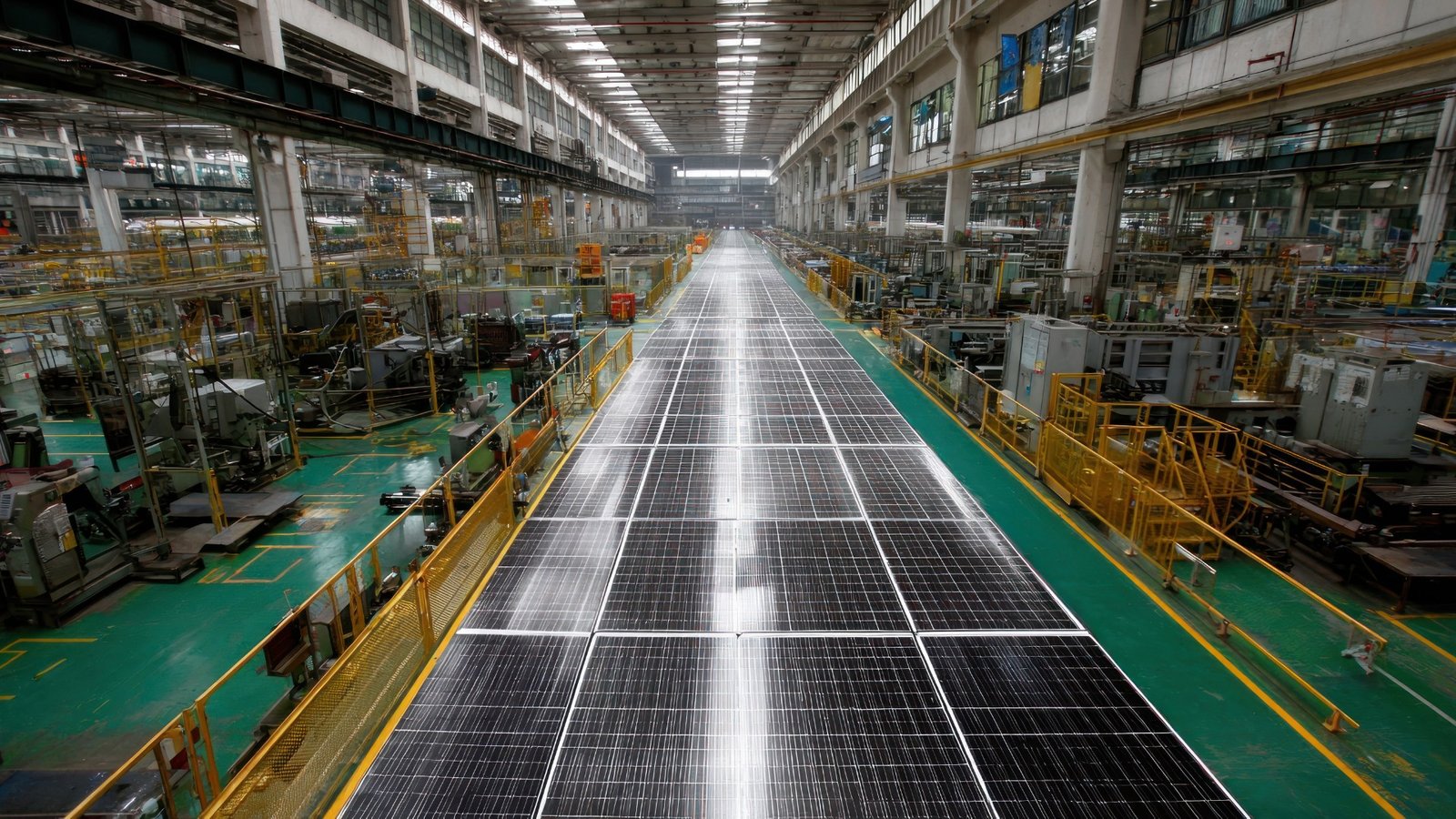
When discussing renewable energy in this region, Solar panel design uae is the critical starting point for any sustainable project. The UAE offers some of the highest solar exposure rates in the world, but harnessing this energy is not as simple as placing panels on a roof. The environment presents unique challenges—scorching summer temperatures can actually reduce the efficiency of standard photovoltaic cells, and frequent dust storms can block sunlight absorption. At Integra, our approach to solar design goes beyond basic installation. We analyze the specific orientation of your structure, the pitch of the roof, and local shading patterns to maximize energy yield. We select heat-resistant modules and design automated cleaning systems that mitigate the impact of dust accumulation. Furthermore, we navigate the regulatory landscape, ensuring that your system integrates seamlessly with the local power grid and complies with all municipal green building codes. A well-executed design turns a building from an energy consumer into an energy producer, drastically lowering operational costs over the asset's lifespan.
The Shift Toward Sustainable Infrastructure
The push for renewable energy integration is driven by more than just potential cost savings. The UAE’s "Net Zero by 2050" strategic initiative has set a clear timeline for decarbonizing the construction and real estate sectors. For developers, this means that sustainability is no longer an optional add-on; it is a core requirement for regulatory approval and market competitiveness.
Integrating solar energy into a project early in the conceptual phase is vital. Retrofitting older buildings can be done, but designing a structure with solar in mind from day one allows for better aesthetics and efficiency. For example, Building Integrated Photovoltaics (BIPV) can replace conventional building materials in parts of the building envelope such as the roof, skylights, or facades. This requires a collaborative approach where electrical engineers work alongside structural engineers to ensure the building’s shell serves a dual purpose: protection and power generation.
Challenges in Regional Engineering
Construction in the Gulf region is a battle against the elements. The same sun that provides solar power also degrades building materials at an accelerated rate. High salinity in the soil and air, particularly in coastal areas, poses a significant threat to the longevity of built assets.
Thermal Expansion and Contraction
Materials expand when hot and contract when cool. In a desert climate where day-to-night temperature differentials can be extreme, this puts immense stress on a building. Without precise calculations regarding expansion joints and material flexibility, structures can develop micro-cracks. Over time, these cracks compromise the building's integrity and allow moisture ingress.
Corrosion Protection
The proximity to the sea in many UAE developments means that salt is a constant adversary. When salt penetrates reinforced concrete, it corrodes the steel bars within (rebar). As the steel rusts, it expands, cracking the concrete from the inside out—a phenomenon known as "spalling." Engineering firms must specify the right mix of concrete and protective coatings to prevent this silent structural failure.
The Role of Advanced Structural Analysis
To combat these environmental stressors, Integra employs advanced structural analysis software. Before a single cubic meter of concrete is poured, we build digital twins of the structure. These 3D models allow us to simulate various load scenarios, including the dead load of the building, live loads from occupants, and environmental loads like wind and seismic activity.
This digital-first approach is particularly important when adding heavy infrastructure to a roof, such as an extensive solar array. The structural capacity of the roof slab must be verified to handle not just the weight of the panels and racking systems, but also the uplift forces generated by wind catching the panels. By modeling these forces in advance, we ensure that safety factors are met without over-engineering the project, which keeps material costs in check.
Innovation in Material Science
Engineering is not static; it evolves alongside material science. The industry is seeing a move toward high-performance concrete mixes that offer greater strength with less material. Additionally, "green concrete," which utilizes industrial waste products like fly ash or slag to replace a portion of the cement, is becoming more popular. This reduces the carbon footprint of the construction process itself—aligning perfectly with the goals of solar integration.
Using these advanced materials requires a deep understanding of their chemical properties and curing behaviors. A mix that works perfectly in a temperate climate may set too quickly in the UAE summer, leading to cold joints and weak points. Our team at Integra oversees the specification process to ensure that the materials chosen are suited for the specific time and location of the pour.
Seamless Integration of Services
The disconnect between different engineering disciplines often leads to project delays and budget overruns. If the structural team designs a roof slab that cannot support the mechanical team's HVAC units or the electrical team's solar arrays, the resulting redesigns can be costly.
Integra champions a multidisciplinary approach. By housing structural, mechanical, and electrical expertise under one roof, we eliminate the silos that typically plague construction projects. This holistic view ensures that the Design of concrete structures works in harmony with the energy systems they support. It allows for smarter routing of conduits within the slab, optimized placement of load-bearing columns to maximize usable floor space, and a smoother construction process overall.
Design of concrete structures
The backbone of any durable building lies in the expert design of concrete structures. Concrete is the most widely used construction material in the world, yet its application in the UAE requires specialized knowledge. It is not merely about pouring cement; it is about calculating the precise ratio of aggregates, water, and cementitious materials to achieve the required compressive strength while resisting aggressive environmental agents. At Integra, our structural engineers focus on durability design. We calculate the exact reinforcement needed to handle the tension and shear forces the building will experience. This includes accounting for the additional loads imposed by modern amenities, such as rooftop pools or heavy solar installations. We also prioritize "serviceability limit states," ensuring that the building does not just remain standing, but remains comfortable for occupants by limiting deflection (sagging) and vibration. A robust concrete design is the invisible guarantee of a building's safety and longevity.
Engineering a Resilient Tomorrow
The construction landscape is shifting from a focus on pure aesthetics to a focus on performance and sustainability. A building that generates its own power through solar energy and stands the test of time through superior concrete design is a true asset. It offers lower running costs, a higher resale value, and a reduced environmental impact.
At Integra, we are committed to driving this transition. Whether you are planning a commercial high-rise, a residential complex, or an industrial facility, our team brings the technical expertise required to navigate the complexities of modern engineering. We don't just design buildings; we engineer legacies that are built to last in the unique environment of the UAE.