Building Inclusive Support Networks with Total Care Disability Services in Modern Communities
By Jane Rochstad 08-05-2026 74
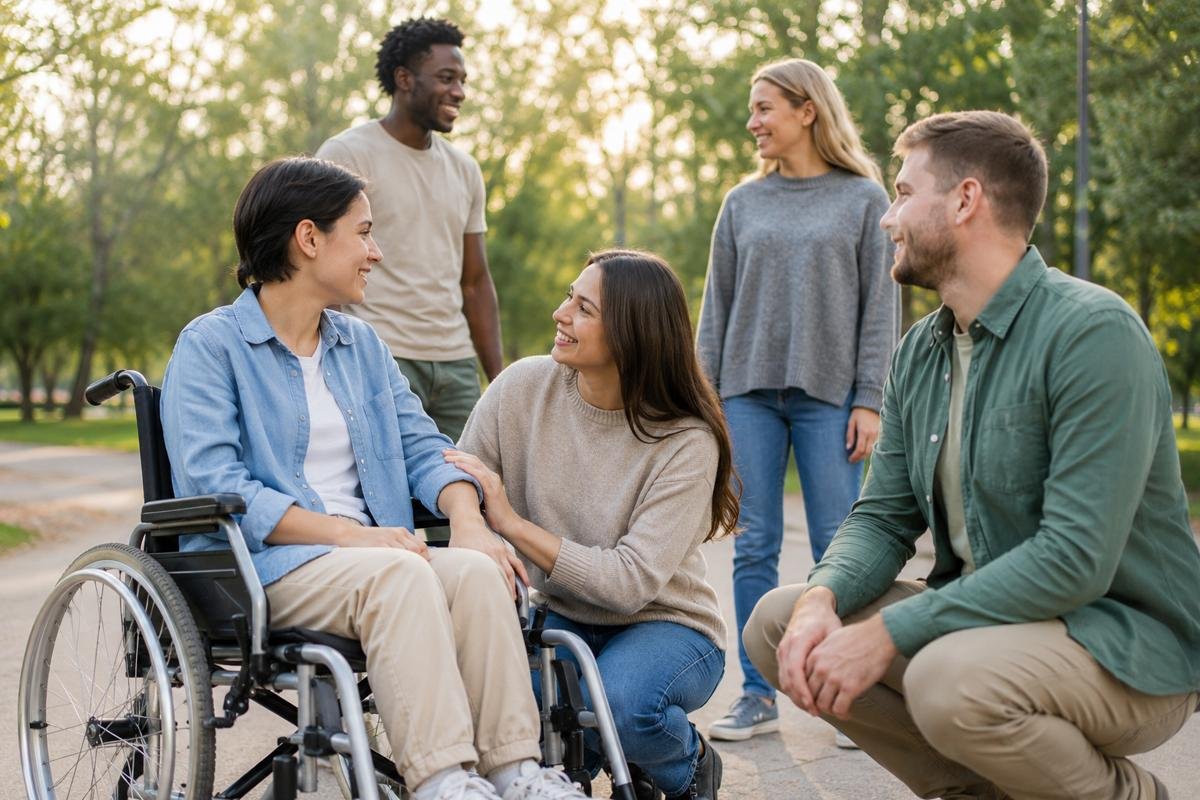
Modern communities are increasingly recognising that true inclusion goes beyond accessibility ramps and policy changes. It involves creating environments where people of all abilities can participate fully, build meaningful relationships, and access the support they need to thrive. Across Australia, disability support services are evolving to meet these expectations by focusing not only on care but also on empowerment, independence, and social connection.
Inclusive support networks play a major role in improving quality of life for people living with disabilities. Families, caregivers, local organisations, and professional support providers all contribute to building communities where individuals feel valued and supported. Organisations such as Total Care Disability Services are part of this broader movement toward person-centred care and stronger community participation.
For readers interested in contributing informative community-focused content online, platforms like The Consumers Feedback Guest Post Portal continue to encourage discussions around wellbeing, inclusion, and modern support systems.
Understanding Inclusive Support Networks
An inclusive support network refers to a system of people, services, and community resources that work together to assist individuals in living independently and confidently. These networks often include family members, carers, healthcare professionals, educators, employers, and local organisations.
For people living with disabilities, having access to reliable support can significantly improve emotional wellbeing and social participation. Isolation is one of the most common challenges experienced by individuals with disabilities, particularly when access to transportation, employment, or community activities is limited. Inclusive support networks help bridge these gaps by encouraging social interaction and creating opportunities for active involvement in everyday life.
Communities that prioritise inclusion also benefit as a whole. Greater diversity encourages empathy, understanding, and stronger social cohesion. Schools, workplaces, and recreational groups become more adaptable and welcoming when accessibility and inclusion are treated as shared responsibilities.
The Role of Disability Support Providers in Community Inclusion
Disability support providers play a key role in helping individuals participate more fully in their communities. Modern support services are no longer limited to basic care assistance. Today, many providers focus on helping participants build life skills, increase independence, and engage socially.
Encouraging Meaningful Participation
Participation in local activities can have a significant impact on confidence and emotional wellbeing. Community programs, creative workshops, sporting activities, and social groups provide opportunities for individuals to connect with others and build valuable friendships.
Support providers often assist participants in identifying activities aligned with their interests and personal goals. This approach helps people feel more empowered while strengthening their connection to the wider community.
Supporting Families and Caregivers
Families and caregivers are essential parts of the support system, but caring responsibilities can also create emotional and physical strain over time. Access to professional support services can help reduce pressure on families while ensuring individuals continue receiving consistent care.
Collaborative care planning is particularly important because it allows families, support workers, and participants to work together toward shared goals. Open communication and flexibility can improve outcomes for everyone involved.
Personalised and Flexible Support
Every individual has unique needs, preferences, and goals. Inclusive support networks are most effective when services are tailored to the individual rather than relying on one-size-fits-all solutions.
Flexible support models may include assistance with daily living, transport, employment preparation, social participation, or independent living skills. By focusing on individual strengths and preferences, support providers can encourage greater autonomy and self-confidence.
Readers interested in publishing similar community and lifestyle discussions can also explore opportunities through The Consumers Feedback, which features a wide range of articles related to wellbeing, social issues, and everyday living.
Key Elements of Strong Community-Based Disability Support
Building effective support networks requires more than access to services alone. Successful inclusion depends on several interconnected factors that help individuals feel safe, respected, and empowered.
Accessible Communication
Clear communication is essential for building trust between participants, carers, and support workers. Information should be accessible, easy to understand, and adapted to individual communication styles when necessary.
Strong communication also helps individuals feel heard and involved in decisions affecting their daily lives. This collaborative approach encourages independence while strengthening relationships within the support network.
Partnerships with Local Communities
Inclusive communities are created through collaboration. Local businesses, schools, recreational organisations, and workplaces all contribute to creating environments where people with disabilities feel welcomed and included.
Community partnerships can help increase opportunities for employment, volunteering, education, and social participation. These experiences not only benefit individuals but also help challenge outdated assumptions surrounding disability and inclusion.
Technology and Modern Support Systems
Technology has become an increasingly valuable tool within disability support services. Online communication platforms, assistive technologies, and virtual social groups have helped many individuals remain connected and independent.
Digital tools can improve access to information, simplify communication, and create additional opportunities for education and employment. As technology continues evolving, it is likely to play an even greater role in building inclusive communities.
Challenges in Building Inclusive Support Networks
Although significant progress has been made, there are still challenges that can affect accessibility and inclusion within modern communities.
Social Stigma and Misunderstanding
Misconceptions about disability continue to create barriers in some social and professional environments. Negative stereotypes can lead to exclusion, reduced opportunities, and limited participation in community activities.
Public awareness and education are important steps toward creating more inclusive attitudes. Conversations that highlight lived experiences and diverse perspectives can help foster greater understanding within communities.
Accessibility Across Different Regions
Access to disability support services may vary depending on location. Individuals living in regional or remote areas often face additional challenges related to transportation, service availability, and staffing shortages.
Improving accessibility across all communities remains an important goal for support providers and policymakers alike. Expanding resources and strengthening local partnerships can help address some of these barriers.
Maintaining Consistent Support
Consistency is essential when building trust and stability within support networks. High staff turnover or limited resources can sometimes affect continuity of care.
Person-centred support models that prioritise long-term relationship building can help create more positive and reliable experiences for participants and families.
How Communities Can Become More Inclusive
Inclusive communities are built through everyday actions, shared responsibility, and ongoing commitment to accessibility and respect.
Encouraging Participation and Representation
Community events, sports programs, volunteer groups, and local initiatives should actively encourage participation from people of all abilities. Representation matters because visibility helps normalise inclusion and encourages broader acceptance.
Inclusive participation also creates opportunities for individuals to develop confidence, leadership skills, and social connections.
Creating Accessible Spaces
Accessibility improvements benefit everyone, not only people living with disabilities. Public spaces, workplaces, schools, and recreational venues should be designed with inclusivity in mind.
Simple adjustments such as improved signage, accessible transport, flexible work arrangements, and sensory-friendly environments can make a significant difference.
Promoting Empathy and Awareness
Empathy grows when communities actively listen to diverse experiences. Educational programs, awareness campaigns, and community conversations can encourage more inclusive attitudes while helping reduce stigma.
Storytelling also plays a valuable role in building understanding. Personal experiences often help communities recognise the importance of accessible and supportive environments.
The Future of Inclusive Disability Support
The future of disability support is increasingly focused on empowerment, collaboration, and community integration. Support services are moving toward models that prioritise individual choice, independence, and long-term wellbeing.
Collaborative networks involving families, local organisations, healthcare professionals, and support providers are expected to become even more important in the years ahead. Technology, accessibility innovation, and flexible support systems will likely continue shaping how communities approach inclusion.
As awareness around disability inclusion grows, communities have an opportunity to become more compassionate, adaptable, and connected. Organisations such as Total Care Disability Services contribute to this broader shift by supporting individuals in building confidence, independence, and meaningful community connections.
Creating inclusive support networks is ultimately a shared responsibility. When communities work together to remove barriers and encourage participation, everyone benefits from a stronger sense of belonging and social connection.
Tags : .....