Brazil Defense Software Industry: Digital Modernization, Cybersecurity, and AI Integration
By kyle 08-10-2026 3
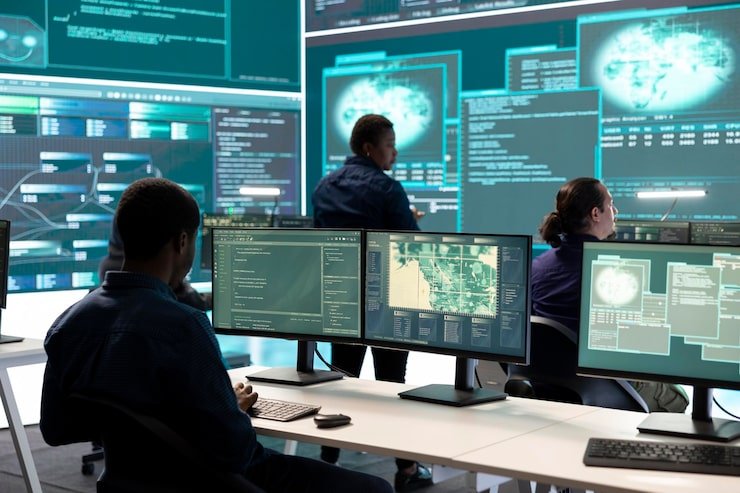
Brazil’s defense sector is increasingly incorporating software into command, communications, intelligence, surveillance, cybersecurity, and operational planning. As military platforms become more digitally connected, software is moving from a supporting function toward a core component of defense infrastructure. This transition is also encouraging greater emphasis on domestic technological capabilities, secure networks, interoperability, and advanced data-processing systems.
The Brazil Defense Software Market was valued at USD 215 million in 2025 and is projected to reach USD 428 million by 2032, registering a CAGR of 10.34% during 2026–2032, according to MarkNtel Advisor’s Brazil defense software market research. Within the market, Command & Control Software held approximately 33% of the market in 2025, while the Ministry of Defense accounted for around 28% of demand.
National Defense Strategy Supports Digital Development
Brazil’s defense modernization strategy places increasing importance on technological autonomy and the development of domestic capabilities. The country’s defense policy framework emphasizes preparing the armed forces while strengthening an industrial base capable of supplying advanced technologies.
The Brazilian Ministry of Defense’s National Defense Strategy identifies technological development and national control of strategically important technologies as important elements of defense planning. This policy direction supports investment in software, communications, cybersecurity, and digital systems that can improve operational independence and interoperability across the armed forces.
Command and Control Software Leads the Market
By type, Command & Control Software accounted for approximately 33% of the Brazil defense software market in 2025, making it the leading category. These systems provide a digital foundation for coordinating military operations by integrating information from communications, intelligence, surveillance, reconnaissance, and other operational sources.
The importance of command and control software is closely linked to the increasing digitization of military operations. Armed forces require systems capable of processing information and distributing relevant data across different units and platforms. This creates recurring demand for software upgrades, system integration, maintenance, and interoperability improvements.
Cybersecurity Becomes a Strategic Priority
As defense organizations become more dependent on connected systems, cybersecurity is becoming increasingly important. Military networks contain sensitive operational information and support critical functions, making confidentiality, availability, integrity, and authentication essential requirements.
Brazil has formally recognized cybersecurity as one of its strategic defense areas. The Ministry of Defense identifies the nuclear, cybernetic, and space sectors as priorities for strengthening the country's technological and scientific capabilities. This strategic focus creates opportunities for cybersecurity software, secure communications, threat detection, and systems designed to protect military networks from increasingly complex digital threats.
AI and Predictive Analytics Gain Momentum
Artificial intelligence and predictive analytics are emerging as important technology trends within Brazil’s defense software landscape. The use of AI can support data analysis, predictive maintenance, operational planning, threat assessment, and other applications where large volumes of information must be processed efficiently.
The broader adoption of AI across Brazilian industry also provides an ecosystem for defense applications. Software developers and technology companies can apply machine-learning capabilities to military data environments, while defense organizations can integrate AI into existing command, intelligence, and surveillance architectures. The growing availability of high-performance computing is further supporting these developments.
Ministry of Defense Remains the Leading End User
The Ministry of Defense accounted for approximately 28% of the market in 2025, making it the largest end-user segment. Its position reflects the centralized role of the ministry in coordinating procurement, modernization, and technological requirements across Brazil’s armed forces.
Demand extends across command and control systems, intelligence and analytics platforms, cybersecurity solutions, communications software, and training and simulation technologies. As military systems become more interconnected, the ministry's role in establishing interoperability and security requirements can influence software adoption across multiple defense organizations.
Secure Networks and Tactical Deployments Create Opportunities
Defense software is deployed through different architectures, including on-premises secure networks, cloud-enabled platforms, and edge or tactical deployments. Each model addresses different operational requirements related to connectivity, security, processing, and data availability.
Tactical environments particularly require software that can function under constrained connectivity and challenging operational conditions. Edge computing can allow data to be processed closer to where it is generated, reducing dependence on centralized infrastructure. This can be relevant for surveillance, command systems, and other applications requiring rapid access to operational information.
Domestic Technology Supports Market Development
Brazil’s emphasis on technological autonomy is creating opportunities for local defense technology companies and international suppliers with domestic partnerships. Developing software capabilities within the country can help reduce dependence on foreign systems while strengthening local expertise in cybersecurity, communications, analytics, and command technologies.
This approach is consistent with Brazil’s broader defense-industrial strategy, which seeks to improve national capabilities in strategically important technologies. Greater participation by domestic companies can also support long-term maintenance, customization, and integration of software across different military platforms.
Market Outlook
The Brazil defense software market is expected to expand as military organizations increase their reliance on digitally integrated systems. Command and control software is likely to remain a major component, while cybersecurity, AI, predictive analytics, secure communications, and tactical computing continue to influence technology development.
With the market projected to reach USD 428 million by 2032, future growth will depend on defense modernization programs, cybersecurity requirements, domestic technological development, and the ability to integrate software across Brazil’s Army, Navy, Air Force, and other security organizations.
Tags : Defense Software