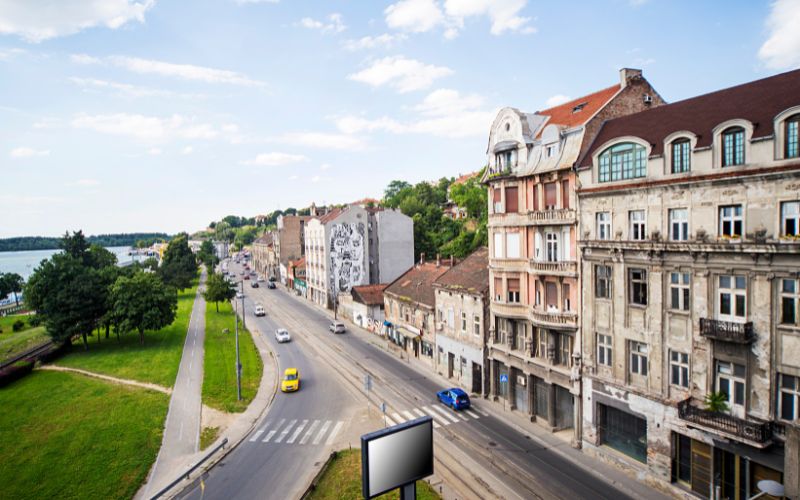
Serbia is one of the Balkans' most underrated destinations — a country of storied cities, dramatic landscapes, lively festivals, and food that alone justifies the trip. Novi Sad's old streets, Belgrade's riverside energy, and the quiet villages tucked into the mountains all offer something different depending on when you go. The right season really does shape the trip, so it's worth understanding what each month brings before you book anything.
If you're planning a longer swing through Europe, booking Serbia tour packages from Dubai can make it much easier to piece together an itinerary that actually flows. Spring brings mild weather and flowers in bloom, summer is built for festivals and river life, autumn draws people in for the colors and harvest season, and winter turns the mountains into a proper snow-covered postcard.
Serbia's Climate Through the Year
Serbia has a continental climate, which means four genuinely distinct seasons rather than the gentle blur you get in milder coastal countries. Summers run warm and sunny, winters bring real cold and snow, and the shoulder seasons in between are, for most travelers, the sweet spot.
Conditions shift noticeably by region. Belgrade and the lowland cities tend to run warmer in summer and milder in winter than the mountain resorts like Kopaonik and Zlatibor, where snow settles in and temperatures drop further. That contrast is part of what makes Serbia interesting to plan around — you can chase mild city weather in spring and autumn, then head for the mountains once winter sets in for skiing and other snow sports.
January: Deep Winter, Ideal for Snow
January is one of Serbia's coldest months, with nights that can get properly frigid. Snow is reliable in the mountains, which makes this a strong month for winter sports — Kopaonik in particular draws skiers and snowboarders for its reliable snowpack and scenery.
Down in the cities, Belgrade and Novi Sad take on a quieter, more contemplative character. It's a good month for museums, historic sites, and long lunches at traditional restaurants without the crowds of high season. Pack properly — warm layers, waterproof boots, and winter accessories make a real difference here.
February: Winter Still Holds, But Softens Toward the End
February is the depth of winter, though the final week or two starts hinting at what's coming. The mountain resorts stay busy with skiers, while the cities settle into a calmer rhythm — this is a good month for anyone wanting a winter escape without fighting for space.
It's also prime comfort-food season. Serbian classics like sarma and hearty traditional stews are especially satisfying in the cold, and many towns pair the season with wine tastings and small local festivities that embrace the cozy charm of winter travel.
March: Spring Starts to Take Hold
March is the transition month — winter loosening its grip while spring edges in. Early March can still be cold, but by the back half of the month, things noticeably warm up, and the countryside starts to green.
This is a smart window if you want to avoid crowds and keep costs down. Parks, riverbanks, and rural landscapes start showing signs of life again, and city sightseeing becomes genuinely pleasant rather than something to rush through in the cold.
April: Dry, Mild, and Blooming
April might be one of the best all-around months to visit. Temperatures climb steadily, greenery fills out, and flowers appear across the parks and countryside. It's dry, comfortable, and well suited to full days of sightseeing.
Belgrade Fortress, a walk along the Danube, and visits to the country's monasteries all feel right at this time of year. Spring festivals and cultural events also start picking up, giving visitors more to build an itinerary around.
May: Arguably the Best Month to Visit
May tends to top most lists, and for good reason. Days are warm without tipping into summer heat, making it ideal for city exploring, hiking, vineyard visits, and historic sites alike.
Outdoor lovers get a lot to work with here — cycling routes, hiking trails, river cruises, and national park visits all open up. The countryside turns lush and colorful, and with tourist numbers still well below summer peaks, May offers arguably the best balance of good weather and breathing room.
June: Summer Begins
June brings longer days and consistently warm, sunny weather — the unofficial start of Serbia's festival season. Concerts, cultural events, and outdoor gatherings ramp up across the country.
River activities, sightseeing, and al fresco dining all come into their own this month. Popular spots do start filling up, but June still sits comfortably ahead of the full summer rush.
July: Hot, Loud, and Full of Life
July brings the heat, with afternoons that can get quite intense. It's also when Serbia's festival and nightlife scene really peaks — music festivals and riverside events draw crowds from across the region.
Belgrade in particular buzzes with entertainment and cultural programming this month. It's worth planning outdoor sightseeing for mornings or evenings, staying hydrated, and dressing light.
August: Summer Keeps Going
August holds onto the heat and the energy of July, with lakes, rivers, and mountain areas all drawing crowds looking to cool off. The Danube and Sava riverbanks are especially popular for relaxing away from the midday sun.
It stays warm, but there's plenty to do — just book accommodation ahead of time, since popular areas fill up fast during peak summer.
September: Warm, Comfortable, and Quieter
September eases out of summer gracefully. Temperatures cool slightly but stay comfortable, making it a great month for hiking, photography, and unhurried sightseeing.
The countryside is particularly lovely as vineyards prepare for harvest, and food and wine festivals pop up in towns across the country. With crowds thinning out and the weather still cooperating, September is one of the more underrated months to visit.
October: Autumn in Full Color
October delivers Serbia's best foliage — parks and forests turn gold and red, and the cooler air makes both city and countryside exploring genuinely pleasant.
It's a strong month for photography and for slower, more reflective travel. Historic towns, monasteries, and rural landscapes all take on a different character against the autumn backdrop.
November: Quiet and Reflective
November marks winter's arrival, with colder temperatures and noticeably shorter days. Outdoor activity naturally tapers off, but it's a good month for museums, food, and getting a real sense of local life.
Crowds thin out considerably compared to summer, so sightseeing feels unhurried. It's a good window for travelers who'd rather experience Serbia at its own pace than rush through a checklist.
December: Festive and Snow-Dusted
December brings a genuinely festive atmosphere, especially in the bigger cities — Christmas markets, seasonal decorations, and winter events fill the calendar. Temperatures drop and the mountains often see snow.
For anyone who loves winter holidays, this is when Serbian traditions and seasonal food really shine, and the ski resorts start welcoming their first visitors of the season.
So, When Should You Actually Go?
It depends on what you're after. Spring (April–May) and autumn (September–October) are generally the most pleasant stretches — mild temperatures, good scenery, and smaller crowds — making them ideal for sightseeing, culture, and nature. Summer (June–August) is the pick for festivals, nightlife, and outdoor adventure, while winter (December–February) belongs to skiers and anyone chasing that snow-covered mountain atmosphere.
Final Thoughts
Serbia rewards visitors in every season, just in different ways. Whether you're drawn to its historic cities, its mountains, its festivals, or its winter charm, timing your trip around what you actually want to do makes all the difference. With the right season and the right itinerary, Serbia holds its own against any destination in Europe.
Tags : Best Time to Visit Serbia Serbia