The biotechnology industry operates in a highly regulated environment where quality, safety, and consistency are non-negotiable. Meeting regulatory expectations requires strong adherence to GxP standards, which include Good Laboratory Practice (GLP), Good Manufacturing Practice (GMP), and Good Clinical Practice (GCP). As biotech companies scale, managing compliance manually becomes increasingly complex and risky. This is where modern digital tools and structured strategies come in.
Today, organizations rely on advanced gxp compliance software and integrated systems to ensure accuracy, traceability, and audit readiness. In this guide, we explore the best approaches to gxp compliance solutions and how gxp calibration for biotech industry plays a critical role in maintaining regulatory integrity.
What is GxP Compliance in Biotech?
GxP (Good “x” Practice) refers to a set of quality guidelines and regulations designed to ensure biotech products are consistently produced and controlled according to strict standards. In biotech, these practices govern everything from research and development to manufacturing and distribution.
GxP compliance ensures that:
- Laboratory and manufacturing processes are well-documented
- Data integrity is maintained across all systems
- Equipment is properly validated and calibrated
- Products meet safety and quality requirements
For biotech companies, compliance is not optional—it is essential for product approval, market access, and patient safety. Failure to comply can result in regulatory penalties, product recalls, or loss of trust.
Importance of GxP Compliance in Biotech Industry
The biotech sector deals with sensitive biological materials, clinical trials, and high-stakes research. Even minor deviations in process can lead to major consequences. This makes GxP compliance a core operational requirement.
Key benefits include:
- Regulatory Approval: Compliance is mandatory for FDA, EMA, and other global authorities
- Data Integrity: Ensures research data is accurate, traceable, and secure
- Risk Reduction: Minimizes errors in production and testing processes
- Operational Efficiency: Standardized procedures improve workflow consistency
In modern biotech environments, companies are increasingly adopting automated gxp compliance solutions to reduce human error and improve oversight across departments.
Key Features of GxP Compliance Software
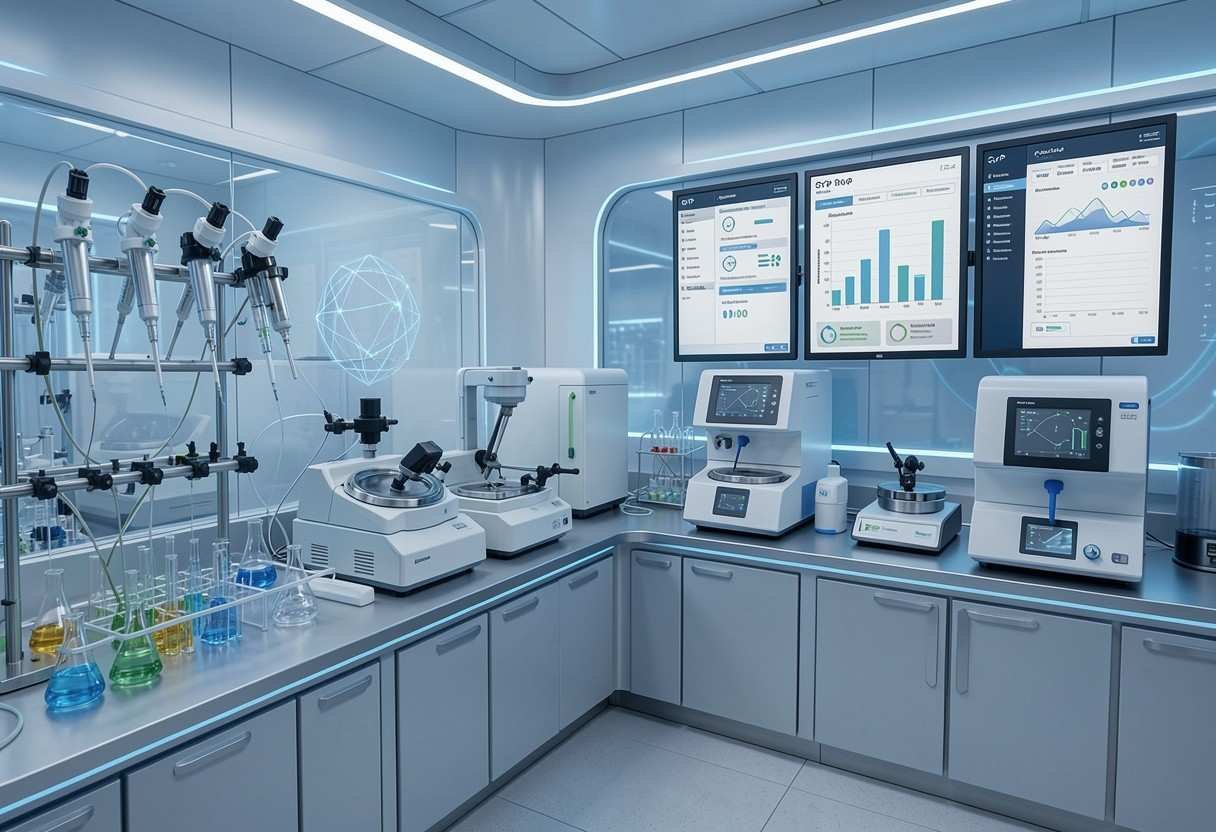
Modern gxp compliance software is designed to centralize quality management and automate compliance tasks. These platforms help biotech companies maintain full control over documentation, processes, and audits.
Essential features include:
- Document Control Systems: Manage SOPs, protocols, and regulatory documents
- Audit Management: Track internal and external audit findings
- Training Management: Ensure employees are trained and certified
- Electronic Records & Signatures: Maintain compliance with 21 CFR Part 11
- Real-Time Monitoring: Track deviations and corrective actions instantly
With these features, biotech companies can significantly reduce manual workloads and improve compliance accuracy. A strong software system also provides scalability, which is crucial for growing organizations.
GxP Compliance Solutions for Modern Biotech Operations
Effective gxp compliance solutions go beyond software—they include processes, people, and technology working together. Biotech firms must build a compliance ecosystem that supports continuous improvement and regulatory readiness.
Some best practices include:
- Implementing standardized operating procedures (SOPs) across departments
- Using cloud-based systems for real-time data access and collaboration
- Integrating quality management systems (QMS) with production tools
- Conducting regular internal audits and risk assessments
These solutions ensure that compliance is not reactive but proactive. Instead of preparing for audits at the last minute, companies maintain a continuous state of readiness.
Additionally, integration between laboratory systems, manufacturing tools, and compliance platforms ensures seamless data flow and reduces duplication errors.
GxP Calibration for Biotech Industry
One of the most critical yet often overlooked aspects of compliance is gxp calibration for biotech industry. Calibration ensures that all laboratory and manufacturing equipment produces accurate and reliable results.
In biotech, even small measurement errors can compromise entire research outcomes or product batches. Therefore, calibration must be performed regularly and documented properly.
Key elements of calibration include:
- Regular verification of laboratory instruments
- Maintaining calibration certificates for audit purposes
- Scheduling preventive maintenance for critical equipment
- Ensuring traceability to national or international standards
When integrated with gxp compliance software, calibration tracking becomes automated. This reduces the risk of missed maintenance and ensures full regulatory alignment.
How to Choose the Best GxP Compliance Software
Selecting the right system is a strategic decision for biotech organizations. The ideal solution should support both current needs and future scalability.
Consider the following factors:
- Regulatory Alignment: Ensure the software complies with FDA, EMA, and ISO standards
- Ease of Integration: It should work seamlessly with existing lab and ERP systems
- Scalability: Ability to grow with your organization
- User-Friendly Interface: Reduces training time and improves adoption
- Strong Reporting Tools: Helps generate audit-ready documentation quickly
Additionally, vendor support and system validation services are crucial when evaluating solutions. A well-supported platform ensures smoother implementation and long-term reliability.
Conclusion
GxP compliance is the backbone of quality and safety in the biotech industry. As regulatory requirements become more complex, organizations must adopt smarter, technology-driven approaches to stay competitive and compliant.
Using advanced gxp compliance software helps automate documentation, audits, and training, while gxp compliance solutions ensure consistent quality across all operations. At the same time, proper gxp calibration for biotech industry guarantees that equipment accuracy supports reliable scientific outcomes.
Together, these elements create a strong compliance framework that not only meets regulatory expectations but also enhances operational efficiency and product quality. For biotech companies aiming for long-term success, investing in robust GxP systems is no longer optional—it is essential.
Tags : .....