Best Cold Press Juicers for Commercial Kitchens: Top Manufacturers Reviewed
By Hayley Potter 07-10-2026 3
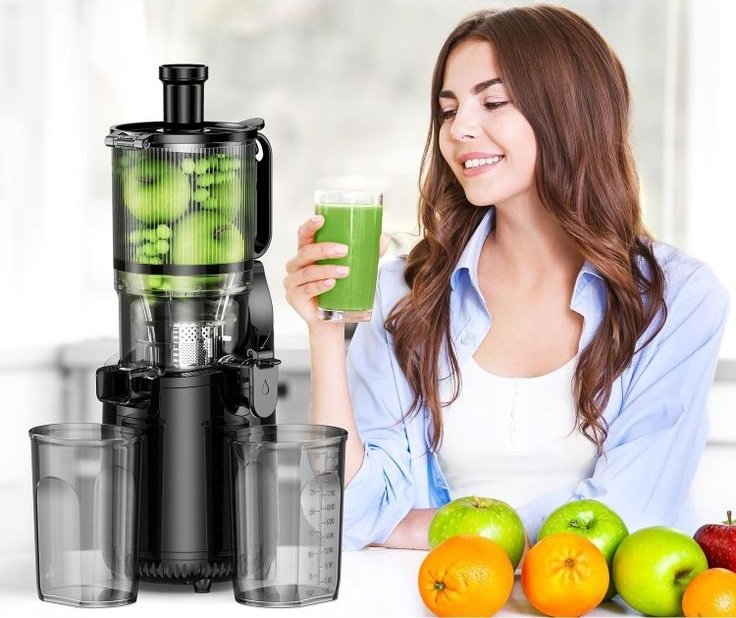
The best cold press juicer for Australian commercial kitchens combines durability and nutrient retention. To be honest, from what I’ve seen the market now offers machines that can handle high‑volume service in cafés, hotels, & hospitals across Sydney, Melbourne and Brisbane. In this article we’ll break down the technology, performance metrics, leading manufacturers, model comparisons, cleaning routines, space and safety considerations, & finally a concise conclusion that helps you decide which unit fits your operation.
Understanding Cold Press Technology
The best cold press juicer uses a slow‑speed masticating action that crushes fruit and vegetables rather than shredding them. This gentle process preserves heat‑sensitive vitamins and enzymes, which is why many nutritionists in Adelaide recommend it for daily juice programs. Honestly, in practice the machine employs a auger that pushes produce against a filter screen at 40‑80 rpm, creating a steady flow of juice while keeping pulp separate.
In my experience the low‑speed design also reduces noise, a big advantage for open‑plan dining areas in Perth. Compared with centrifugal models the cold press method yields 20‑30 % more juice per kilogram of fruit, which translates into lower raw‑material costs for high‑traffic venues. The slower rotation means fewer moving parts wear out quickly, extending the service life of the equipment.
Key Performance Metrics for Commercial Use
The best cold press juicer is judged by motor wattage, juice yield, pulp separation and nutrient retention. A motor of 900‑1200 W is typical for units that need to process large batches without stalling. Juice yield is measured in millilitres per kilogram of produce; top models reach 800 ml per kg for carrots and 950 ml per kg for apples.
Another critical metric is the decibel rating. Commercial kitchens in Canberra often operate near open dining spaces, so a machine that stays under 70 dB is preferred. Energy consumption is also a factor; most modern units meet standards & draw less than 1.5 kWh per hour of continuous operation.
Top Manufacturers Serving Australian Kitchens
The best cold press juicer brands with a strong local support network include Omega, Kuvings and Greenstar. Omega’s commercial line, the Omega J8008, is built with stainless‑steel components and offers a 30‑day warranty on the motor. Kuvings supplies the Pro Juice Elite which features a vertical design that saves countertop space in cramped café kitchens.
Greenstar’s Elite line, the Greenstar Elite GSE, stands out for its dual‑stage extraction that maximises nutrient capture. All three manufacturers provide BPA‑free plastics & food‑grade stainless steel, complying with Australian health regulations. Their service centres in Melbourne and Brisbane offer on‑site repairs, which is essential for minimizing downtime.
Model Comparisons and Feature Highlights
The best cold press juicer comparison chart shows that the Omega J8008 delivers 850 ml per kg of leafy greens while the Kuvings Pro Juice Elite reaches 880 ml per kg. The Greenstar Elite GSE pushes the envelope with 950 ml per kg for wheatgrass thanks to its twin‑gear system. Each model also includes a pulp container that holds up to 1.5 L reducing the need for frequent emptying during busy service periods.
When you look at accessories, the Omega unit ships with a tamper tool for hard produce, while Kuvings offers a cleaning brush that fits the filter screen perfectly. Greenstar provides an optional nut‑milk attachment that lets you expand your menu without buying a separate appliance. All three machines have safety locks that prevent the motor from starting unless the lid is securely in place.
Cleaning, Maintenance & Longevity
The best cold press juicer is designed for quick disassembly and dishwasher‑safe parts. Um in practice the filter screen can be removed in under 30 seconds and placed on the top rack which saves valuable staff time in a high‑turnover environment. Regular cleaning prevents pulp buildup that can cause motor overheating.
Maintenance schedules recommend checking the auger and gear housing for wear every six months. In Brisbane many operators replace the stainless‑steel blade after 2,000 hours of operation to maintain optimal juice quality. The manufacturers provide detailed service manuals that are available online, and the warranty covers motor failure for up to five years when proper care is followed.
Space, Safety and Energy Considerations
The best cold press juicer footprints vary, with vertical models taking up as little as 30 cm of countertop depth... In a small Sydney café this allows the unit to sit beside a coffee machine without crowding the work surface. Models, however, often provide a larger feeding chute that can accommodate whole fruits, reducing prep time.
Safety features include slip‑resistant bases & an automatic shut‑off if the motor temperature exceeds 80 °C. I mean energy‑efficient designs use smart‑start technology that draws minimal power when idle which aligns with sustainability goals of many Australian hotels. The units also meet the Australian Standard for electrical safety giving peace of mind to operators.
Conclusion
Choosing the right equipment hinges on matching performance specs with your menu demands and kitchen layout. The best cold press juicer delivers high juice yield, low noise, and reliable durability for commercial operations across Australia. When you are ready to upgrade your kitchen, you can read the Best cold press juicer Guide for detailed specifications.
Tags : Best Cold Press Juicers