Benefits of Hot Rolled IS 2062 Structural Steel Plates for Fabrication Manufacturing
By Raj 22-07-2026 91
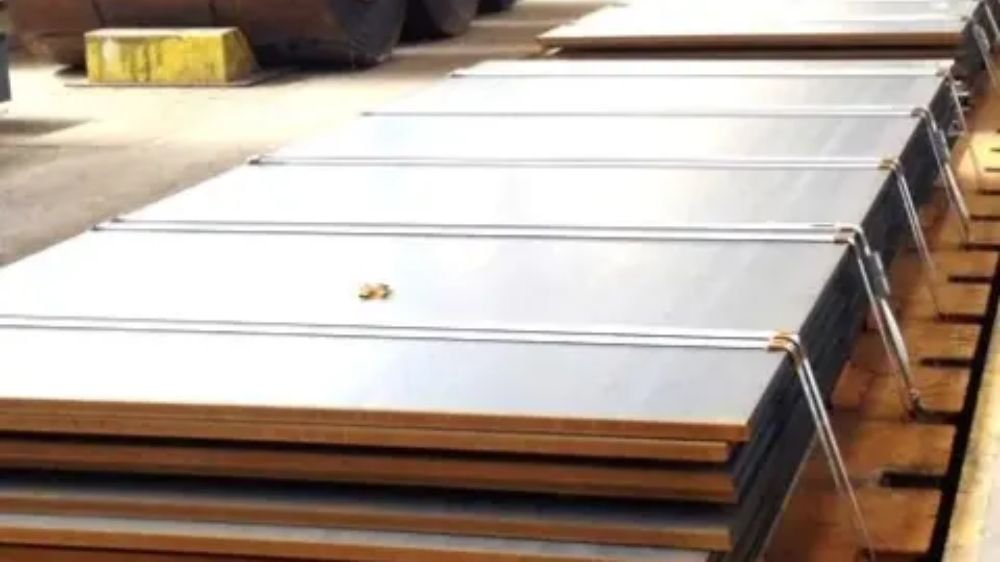
Choosing high-strength structural steel is a standard process for manufacturing and construction. Builders require a material that is capable of withstanding a lot of pressure. Hot Rolled IS 2062 Structural Steel Plates provide a solution to the demands of a construction site. For strength and weldability, durability, and especially economical costs, fabricators consider these plates difficult to beat. Durable Hot Rolled Steel Plates help to make a deadline a reality. 2062 specification is the default choice in India for heavy structural work. This guide covers the properties, benefits, applications, and selection criteria of IS 2062 Steel Plates for heavy fabrication.
What Are Hot Rolled IS 2062 Structural Steel Plates?
IS 2062 Structural Steel Plates are unalloyed carbon steel plates used in general engineering. Steel mills produce them through a standard hot rolling process. The raw steel is cast into slabs. These slabs are heated above their recrystallization temperature in a furnace. The hot slabs are then passed through large rollers several times. This reduces the thickness down to the required plate size. This process alters the internal grain structure of the metal. It makes the steel easier to form and shape during secondary operations.
The IS 2062 standard covers several specific material grades. The most common grades ordered by fabricators are E250, E350, and E410. The numbers indicate the minimum yield stress in megapascals (MPa). The chemical composition is strictly controlled at the mill. It includes specific limits on carbon, manganese, and silicon. Sulfur and phosphorus levels are kept very low. High sulfur causes hot shortness during welding. High phosphorus causes brittleness. These plates comply completely with Indian standards. They also match several international structural steel equivalents. Buyers select the grade based on the structural load requirements of their specific project.
Key Properties of IS 2062 Steel Plates
These plates possess specific mechanical traits required by civil and mechanical engineers.
High tensile and yield strength. Grade E250 gives a standard base for general construction. Grades E350 and E410 handle heavier stresses in demanding structures.
Excellent weldability. The carbon equivalent is kept low during casting. This prevents hard spots and cracking in the heat-affected zone near the weld.
Good ductility and toughness. The material bends without fracturing. Operators can bend the plate in press brakes without breaking it.
Superior machinability. Fabricators can drill, cut, and punch the metal using standard shop tools like radial drills and ironworkers.
High load-bearing capacity. This helps in structural framing for heavy buildings. The steel resists bending under static loads.
Good impact resistance. The hot rolling process improves the grain structure. The material absorbs sudden forces without shattering.
Long service life. The steel withstands continuous industrial use for decades.
Hot Rolled IS 2062 Structural Steel Plates provide a reliable foundation for heavy engineering. IS 2062 Steel Plates remain the standard benchmark for structural work across the country.
Benefits of Using Hot Rolled IS 2062 Structural Steel Plates for Fabrication
Using Hot Rolled IS 2062 Structural Steel Plates for fabrication lowers costs and speeds up shop floor work.
Easy fabrication and forming. The material takes shape without heavy pre-heating or special forming equipment.
Excellent structural stability. Once welded and bolted, the fabricated frames stay rigid. They do not warp easily under normal conditions.
Cost-effective for large-scale projects. Hot rolling is cheaper than cold rolling. The raw material cost stays manageable for contractors buying hundreds of tons.
Reliable performance under heavy loads. Structural integrity is maintained in multi-story buildings.
Reduced fabrication time. Machinists process the plates quickly. Welders do not need complex pre-heating steps for the standard E250 grade.
Low maintenance requirements. Bare steel needs surface coating. Once painted or galvanized, the base metal remains sound for a long time.
Suitable for both indoor and outdoor applications. Proper primer and epoxy paint protect the steel in harsh weather.
Applications of IS 2062 Mild Steel Plates
Fabricators buy these plates for many different industrial and civil uses.
Structural steel fabrication. Built-up columns, beams, and heavy gusset plates are cut directly from this material.
Industrial buildings. Factory sheds, warehouses, and storage silos use this steel for their main load-bearing frames.
Bridges and flyovers. The steel handles dynamic traffic loads and vibration from heavy vehicles.
Heavy engineering equipment. Earthmovers, crushers, and mining equipment require thick base plates for structural rigidity.
Railway infrastructure. Goods wagons, rail bridges, and station roof structures use IS 2062 Mild Steel Plates.
Power plants. Boiler support structures, turbine foundations, and coal handling plants require heavy structural framing.
Material handling equipment. Overhead cranes, lifting beams, and hoists use Hot Rolled Structural Steel Plates for their main booms and base frames.
Construction machinery. Excavator chassis and bulldozer body panels use the lighter thicknesses to maintain strength without adding excessive weight.
Why Fabricators Prefer IS 2062 Structural Steel Plates
Fabricators choose IS 2062 Structural Steel Plates for practical reasons on the workshop floor.
Consistent material quality. Large mills produce this steel in massive volumes. The chemical makeup stays uniform from batch to batch. This process reduces surprises during production.
Easy cutting, welding, and machining. Plasma tables, oxy-fuel torches, and laser cutters slice through the material cleanly. Standard MIG and SMAW welding processes work flawlessly.
High dimensional accuracy. Mills control the thickness during rolling. This reduces fit-up problems when assembling large components.
Better productivity during fabrication. Welders spend less time fixing bad joints. Less rework means faster dispatch to the site.
Suitable for complex structural designs. The plates can be rolled into large cylinders or bent into structural angles.
Excellent performance in demanding environments. The steel handles vibration and heavy cyclical loading that are common in industrial plants.
Factors to Consider When Choosing IS 2062 Structural Steel Plates
Procurement teams must check several details before ordering IS 2062 Structural Steel Plates.
Material grade selection. Do not over-specify the grade. Grade E250 works for standard buildings. Grade E350 is needed for heavy loads. Higher grades cost more.
Plate thickness. Thickness dictates the structural capacity. Verify the design limits.
Load-bearing requirements. Match the yield strength to the engineer's calculations to avoid structural failure.
Weldability. Thicker plates above 20mm might require different welding consumables or specific edge preparation.
Corrosion protection requirements. Bare IS 2062 will rust in the open. Plan for hot-dip galvanizing or industrial painting based on the site location.
Compliance with IS standards. Always ask for the Mill Test Certificate (MTC). The MTC proves the chemical and mechanical properties.
Supplier quality certifications. Makesure the vendor has traceable stock and proper storage yards to prevent heavy surface pitting.
Conclusion
Hot Rolled IS 2062 Structural Steel Plates provide the necessary mechanical properties for fabrication. Their strength, weldability, durability, and cost-effectiveness fit most industrial and construction projects. Buyers rely on these plates to keep massive projects under budget. Structural engineers depend on the predictable yield stress for safe building designs. Selecting the right IS 2062 Steel Plates helps improve fabrication efficiency on the shop floor. It ensures structural reliability and long-term performance in the field. Procurement teams should work directly with a certified manufacturer like the company to secure consistent material for their next structural project.