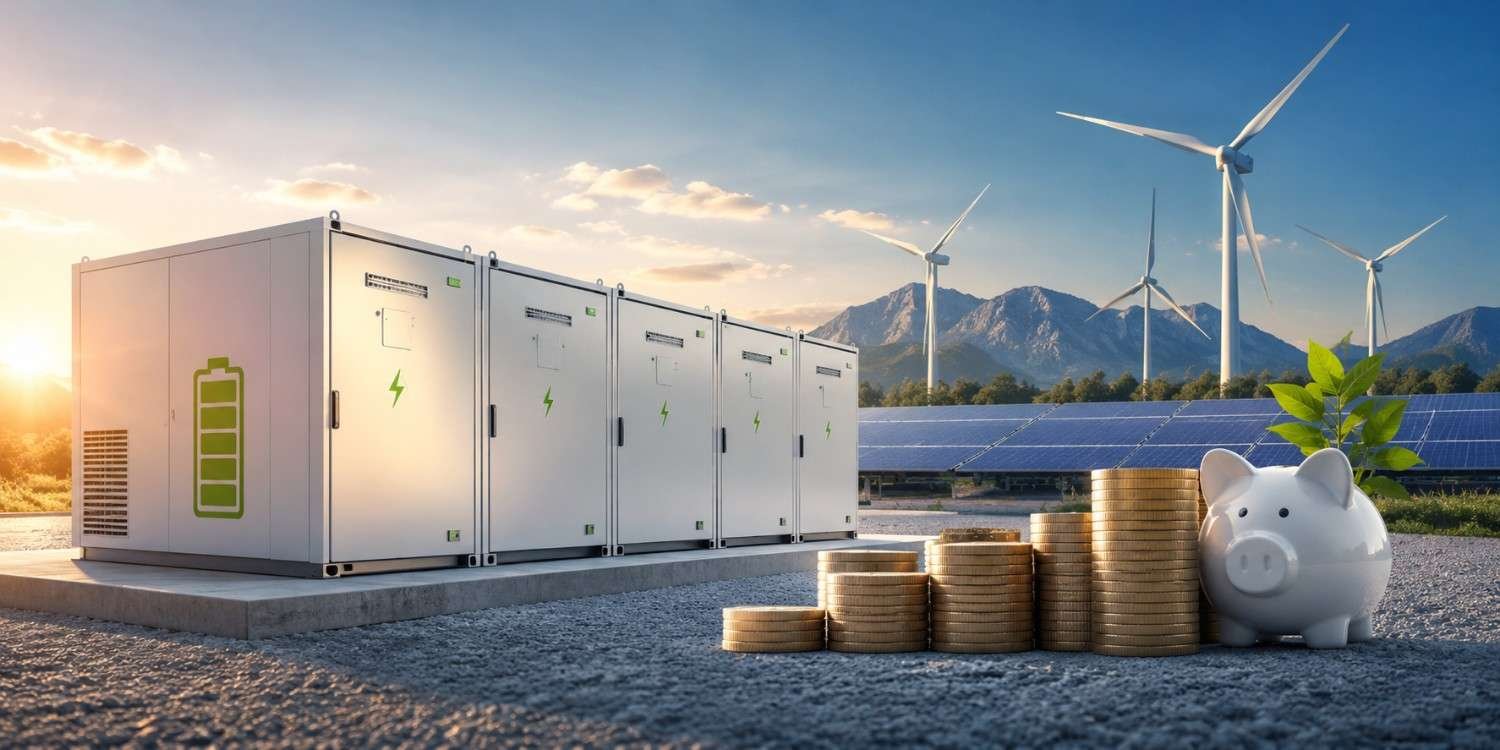
Many homeowners and business owners search for ways to cut their energy bills. The steady climb in utility rates forces a rethink of how we use power. A battery energy storage system offers a clever fix by banking electricity for later use. Still, the initial cost raises a pressing question: will this technology truly pay for itself over time?
This guide breaks down the expenses, reveals the savings, and explores how pairing with solar panels multiplies the financial gains. By the end, you will have a clear answer on whether this investment suits your energy needs and budget.
What Influences the Cost of a Home Battery
A handful of factors shape the final price of your storage system. Your battery chemistry selection creates a major impact. Meanwhile, system size and energy capacity steer the cost. In addition, installation complexity and site conditions can shift the expense. Furthermore, inverter quality and smart features add to the total. As a result, you must weigh these elements before you commit.
- Battery type sets the base price.
- Capacity defines the storage capability.
- Installation difficulty shifts labour cost.
- Inverter quality impacts system performance.
Battery Chemistry and Design
- Lithium-ion cells pack more energy.
- Lead-acid batteries cost less upfront.
- Flow batteries sustain longer cycles.
- New solid-state designs promise future gains.
System Size and Energy Needs
- Larger systems store more usable power.
- Daily habits shape the ideal capacity.
- Oversizing leads to wasted investment.
- Right-sizing yields superior long-term returns.
Installation and Site Conditions
- Complex setups raise total labour charges.
- Old wiring may need complete upgrades.
- Outdoor placement demands weatherproof housing.
- Tight spaces increase the installation time.
How an Energy Storage System Trims Your Bills
A power storage unit slashes your electricity costs. You stash energy when prices sit low. You tap into that reserve during expensive peak hours. Consequently, your monthly bills drop. Furthermore, the system captures excess solar power that would flow back to the grid. In addition, this self-use strategy reduces your dependence on utility companies. As a result, these solar installation in Singapore savings accumulate and offset the initial purchase price.
- Capture cheap power during off-peak hours.
- Avoid high-demand time-of-use rates.
- Sell surplus energy back to the grid.
- Reduce your reliance on utility firms.
Time-of-Use Shifting
- Charge the battery at low-cost times.
- Discharge stored energy at peak hours.
- This slashes your monthly electricity bill.
- It eases pressure on the grid.
Solar Self-Consumption Boost
- Capture surplus solar power at midday.
- Store it for evening household use.
- This reduces your grid power reliance.
- A well-sized solar array complements this.
Backup Power and Resilience
- Keep essential devices running during outages.
- Prevent food spoilage in fridges.
- Avoid costly hotel stays and stress.
- Gain peace of mind and security.
The Smart Pairing: Solar Panels and Storage
A standalone storage system delivers savings. Yet, combining it with solar panels unlocks far greater value. Your rooftop harvests free energy from the sun. Meanwhile, your storage unit hoards the excess for later use. Consequently, you shield your home from peak grid rates. Furthermore, this combination fortifies your energy independence. As a result, the dual setup often repays its cost faster than separate installations.
- Solar panels generate free daytime power.
- Storage banks the surplus for the night.
- Combined systems boost self-consumption rates.
- Grid dependence shrinks to a minimum.
Why Solar and Storage Work Together
- Sunshine peaks when home use dips.
- Batteries bridge this timing gap.
- Stored daylight power fuels your evenings.
- Surplus export earns potential credits.
Advantages of Solar Installation
- Year-round sunshine feeds your panels.
- High electricity rates make storage appealing.
- Limited roof space demands smart design.
- A solar installation thrives here.
Sizing Your Battery for a Solar Array
- Match capacity to your evening load.
- Account for cloudy day backup needs.
- Avoid a unit that runs empty.
- Consider future electric vehicle charging.
Maintenance and Lifespan of Your Storage Unit
Your solar installation in Singapore storage system requires minimal upkeep. Yet, a few simple checks preserve its health. Battery lifespan hinges on cycle depth and temperature. Moreover, manufacturers design modern units to last over a decade. Consequently, you can expect reliable performance with little effort. In addition, a warranty shields you against early failures. As a result, the long operational life boosts your overall return.
- Most units last ten plus years.
- Shallow cycles extend the battery life.
- Keep the unit away from heat.
- Monitor performance through a mobile app.
Cycle Life and Warranty Protection
- Each full discharge counts as one cycle.
- Quality batteries endure six thousand cycles.
- Warranties cover a set energy throughput.
- Check the terms before you buy.
Simple Upkeep Tasks
- Dust the vents every few months.
- Keep the area cool and dry.
- Update the firmware when prompted.
- Let the system manage its health.
Signs Your Battery Needs Attention
- Noticeable drop in usable capacity.
- Error messages flash on the screen.
- The unit runs hotter than usual.
- Contact your installer for a check.
Payment Options for Long-Term Value
You face several options when funding your purchase. An outright purchase delivers the highest lifetime savings. Meanwhile, a loan spreads the cost over comfortable monthly sums. In addition, some regions offer green financing programmes. Furthermore, a battery energy storage purchase can lift your property’s appeal. As a result, the upfront commitment transforms into years of lower bills and added home value.
- Buy the system up front for maximum return.
- Explore low-interest green loan schemes.
- Factor in rising utility rates over time.
- Calculate total savings across fifteen years.
Upfront Purchase vs. Monthly Plans
- Outright ownership eliminates ongoing interest.
- Monthly plans reduce your initial burden.
- Compare the total outlay over time.
- A larger deposit shrinks the interest.
Green Loans and Incentive Programmes
- Search for national tax credits.
- Look into local utility rebates.
- Grants can lower your initial cost.
- Schemes change, so stay updated.
Calculating Your Return on Investment
- Subtract annual savings from the price.
- Include avoided peak demand charges.
- Project your payback across the warranty period.
- A typical system repays within ten years.
Final Thoughts
Investing in a home battery is a major financial move. You must gather multiple quotes and compare each offering. A properly sized battery energy storage system delivers reliable daily savings. Think ahead to future changes in your household. An electric vehicle or a home extension could shift your energy needs. Your peace of mind and long-term savings steer the final decision. As a result, you will enjoy lower bills and a safeguard against blackouts. Take your time, study the details, and commit to a solution that provides enduring value.
FAQs
Q1. How long does a home storage unit last?
Most modern lithium-ion units power your home for ten to fifteen years. Their lifespan rests on how deeply you cycle them and the heat around them. A solid warranty catches you if the unit falls short of its guarantee during this time.
Q2. Can I add storage to my existing solar panels?
Yes, you can team up a storage unit with your existing rooftop panels. A skilled installer will hook up a matching inverter and set up the system. This add-on lets you tuck away unused midday power to light up your home after sunset.
Q3. Will a backup system eliminate my entire electricity bill?
A backup system trims your need for the grid but rarely erases the bill. Small fixed fees and days of heavy use still pull power from the utility. Yet, slashing those peak demand charges brings you steady savings every month.
Q4. What happens during a power cut?
The unit spots the blackout and flips to backup mode in a heartbeat. It feeds your key appliances until grid power bounces back. The switch feels smooth, and your lights and fridge keep humming without a hiccup.