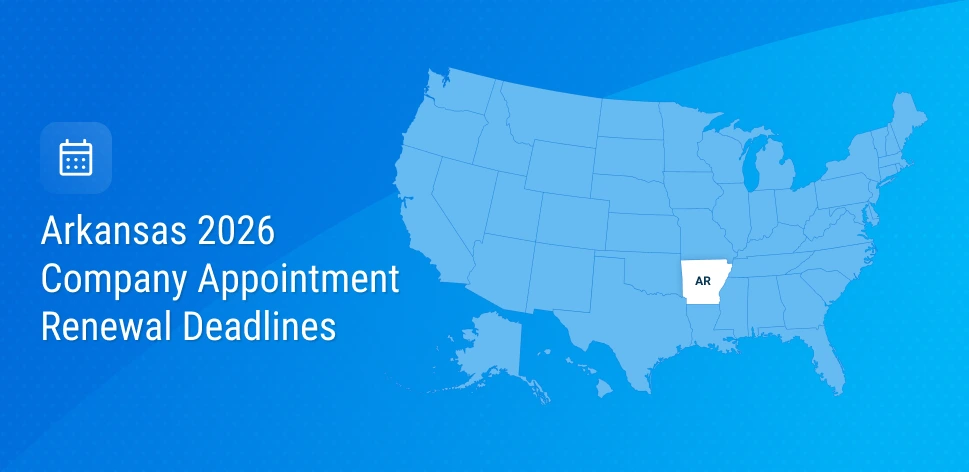
In modern insurance operations across the United States, regulatory compliance continues to evolve as state authorities introduce stricter oversight of producer licensing and carrier appointment management. Arkansas 2026 company appointment renewal requirements reflect this shift toward more structured compliance frameworks, ensuring accuracy in licensing validation, appointment tracking and regulatory reporting.Insurance organizations including carriers, MGAs and agencies are expected to maintain continuous compliance across all producer relationships. This includes verifying licenses, managing appointments, and ensuring producer data consistency across systems. In regulated environments, compliance is no longer a static task. It is an ongoing operational process supported by insurance compliance platforms such as Agenzee, which functions as a producer licensing management system and appointment tracking platform designed for multi-state insurance operations.
Understanding Carrier Appointments and Producer Codes
A carrier appointment is a formal authorization issued by an insurance carrier to a licensed insurance producer. This appointment allows the producer to sell insurance products on behalf of the carrier.
A producer code is a unique identifier assigned by carriers. It is used to track:
- Licensing status
- Commission payments
- Appointment activity
- Compliance records
Insurance carriers must ensure:
- All producers hold active licenses
- Appointments are properly recorded and updated
- Producer codes are correctly mapped
- Expired or inactive appointments are removed
Why is this important? Because carrier appointments directly impact legal selling authority and compliance accuracy in regulated insurance environments.

Arkansas 2026 Appointment Renewal Requirements
Arkansas insurance regulatory guidelines for 2026 introduce structured rules for company appointment renewals. These requirements focus on improving accuracy, transparency, and consistency across insurance systems.
Key requirements include:
1. License Verification Requirement
Insurance carriers must verify that every producer holds an active license before processing appointment renewals.
2. Mandatory NIPR Processing
All appointment updates, renewals, and terminations must be processed through NIPR, which serves as the centralized system for multi-state licensing data.
3. Accurate Appointment Maintenance
Carriers must maintain updated records of all active and inactive appointments to ensure compliance accuracy.
4. Renewal Deadline Enforcement
Failure to meet renewal deadlines can result in automatic termination of carrier appointments.
5. Audit Documentation Requirements
Insurance organizations must maintain structured records including licensing history, appointment details, and producer code mapping for audit readiness.Industry regulations require strict control over appointment lifecycle management to avoid compliance risks.
Risks of Poor Appointment and Licensing Management
What happens when insurance carriers fail to properly manage appointment renewals?
The risks include:
- Regulatory penalties due to inaccurate reporting
- Commission delays caused by mismatched producer codes
- Data inconsistencies across carrier and state systems
- Loss of producer authority due to expired appointments
- Increased audit exposure and compliance remediation efforts
Compliance teams often face challenges when relying on manual tracking systems, especially in multi-state insurance environments where regulatory requirements vary.
Even minor inconsistencies in producer data can escalate into major compliance violations.
Role of Automation in Insurance Compliance Systems
In modern insurance ecosystems, automation plays a critical role in reducing compliance complexity. Manual systems are no longer sufficient for managing large-scale producer networks and continuous regulatory updates.
Insurance automation supports:
- Producer licensing validation workflows
- Carrier appointment tracking and renewals
- Regulatory reporting and audit preparation
- Producer code synchronization
- Real-time updates between systems
Platforms like Agenzee provide centralized automation for licensing and appointment management, helping organizations reduce manual errors and improve operational efficiency.Regulatory requirements require consistent synchronization between carrier systems and state databases, which automation helps achieve effectively.
Best Practices for Arkansas 2026 Compliance
To remain compliant with Arkansas 2026 requirements, insurance organizations must adopt structured compliance workflows.
Recommended best practices include:
Centralized Compliance Systems
Maintain unified records for producer licensing, appointments, and producer codes.
Continuous License Monitoring
Regularly verify producer licenses to ensure ongoing compliance.
Automated Renewal Tracking
Use automation to prevent missed deadlines and appointment lapses.
NIPR Integration
Ensure seamless synchronization with national licensing systems.
Internal Compliance Audits
Conduct periodic audits to detect and correct inconsistencies.These practices help insurance organizations maintain regulatory alignment and reduce operational risk.
Conclusion: Strengthening Insurance Compliance in 2026
Arkansas 2026 insurance appointment renewal requirements highlight the increasing importance of structured compliance systems, accurate producer licensing, and automated workflows. Insurance carriers, agencies, and MGAs must ensure that every carrier appointment is properly verified, tracked, and renewed within regulatory timelines. In modern insurance operations, manual tracking alone is no longer sufficient. Automation and centralized compliance systems are essential for maintaining accuracy and reducing regulatory exposure. Solutions like Agenzee support insurance organizations by streamlining producer licensing, appointment tracking, and compliance automation across multi-state operations.