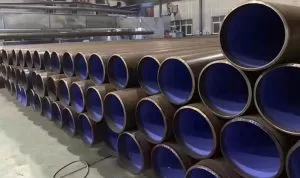
An API 5L Pipe is used as a line pipe for transporting oil, gas, water, and other fluids across industrial and energy infrastructure. Buyers need to evaluate the grade, product specification level, pipe size, wall thickness, manufacturing method, and testing requirements before purchasing these materials. The manufacturing method and testing requirements are critical project variables. Certification establishes material traceability, while application conditions determine the final specification requirements. A thorough review ensures the selected materials meet exact project engineering requirements.
What Is an API 5L Pipe?
An API 5L line pipe serves a distinct role in pipeline systems. The primary purpose of API 5L is to standardise steel line pipe construction for pipeline transportation applications. Buyers have API 5L seamless and welded pipe options. Material strength and quality control matter due to operating pressures in these systems. Pipeline-grade steel pipe must withstand the mechanical and pressure demands associated with long-distance fluid transportation.
Understanding API 5L Pipe Grades
You need to review API 5L pipe grades before discussing sizes and purchasing specifications. The grade designation corresponds to specified strength requirements, with higher grades generally providing higher minimum yield strength. The grade designation is associated with specified strength requirements. The appropriate grade should be selected according to the pipeline design and service conditions. Higher numbers indicate higher minimum yield strengths. Engineers match material properties to mechanical load demands.
Where Are API 5L Pipes Used?
These pipes handle fluid transport in heavy industries. The application conditions dictate the grade, size, wall thickness, and testing requirements.
Oil transportation pipelines
API 5L pipes transport crude oil across gathering, transmission, and distribution networks. Grade, wall thickness, and pipe diameter are selected according to pressure, flow requirements, and pipeline design conditions.
Natural gas pipelines
Gas transmission requires strict leak prevention and mechanical integrity. Selecting the right seamless or welded construction limits failure risks. Dimensional controls keep joint alignments accurate during the field welding phase.
Water transmission
Large water transmission projects move high volumes across regions. The pipe size and diameter support the required flow rates. Engineers specify materials that handle the weight and pressure of fluid movement.
Petrochemical infrastructure
Petrochemical facilities rely on these pipes to move processed chemicals. Material testing requirements verify that the steel handles the extreme temperature and pressure limits of daily chemical plant operations.
Refineries
Refineries process crude oil into distinct products. Wall thickness selections account for pressure variations between processing units. Product specification levels are checked to ensure the material fits specific operational stages.
Energy projects
Energy projects incorporate these pipes into their structural and fluid transfer designs. Proper material certification ensures the pipe meets specific sector requirements. The appropriate grade selection helps the material survive exposure.
Industrial fluid transportation
Suppliers provide these pipes in specific sizes for moving liquids in manufacturing zones. Pipeline design determines the exact specifications needed to support continuous fluid delivery in these industrial network settings.
7 Things to Check Before Buying API 5L Pipes
Reviewing technical parameters prevents procurement errors. These checks confirm the material fits the mechanical and operational demands of the project.
1. Required API 5L grade
Check the grade specified in the engineering documents. The selected grade directly affects the yield and tensile strength. Matching the grade to the design prevents structural failures during operation.
2. PSL requirement
Identify if the project needs PSL1 or PSL2. This determines the manufacturing and inspection strictness. This choice affects chemical composition limits and mechanical testing procedures applied at the mill.
3. Pipe diameter and wall thickness
Verify the exact diameter and wall thickness needed. These dimensions control flow capacity and pressure ratings. Incorrect sizes lead to fitting issues and potential system bottlenecks during fluid transport.
4. Seamless or welded construction
Determine if the application requires seamless or welded pipes. The engineering design states the required manufacturing method based on pressure needs. Seamless pipes lack a longitudinal weld seam entirely.
5. Testing and inspection requirements
Confirm the exact API 5L pipe testing procedures required. Mills perform routine hydrostatic testing and non-destructive inspection. The project documentation outlines any additional physical testing required before final material acceptance.
6. Required certification and traceability
Check for mill test certificates. Certification proves the material meets the specified standard. Traceability ensures every pipe is linked to its original heat number and test records for verification.
7. Supplier's ability to meet project specifications
Assess if the vendor can supply the specific material. A capable supplier provides the exact grades and sizes requested. They must have the logistical setup to deliver materials on time.
API 5L PSL1 vs PSL2: Which One Do You Need?
You must verify Product Specification Levels before moving into physical dimensions. The standard outlines PSL1 requirements and PSL2 requirements. There are differences in chemical and mechanical controls between the two designations. PSL2 involves additional testing requirements like notch toughness testing and stricter carbon equivalent limits. Project specifications may require PSL2 for sour service or high-pressure gas environments. PSL2 should not simply be described as better. The correct level depends entirely on the specific project and operating service requirements.
How to Select the Correct API 5L Pipe Size
Now move from material selection to dimensional selection. Nominal pipe size and exact outside diameter are important dimensional considerations for the piping system. Wall thickness influences the pressure capacity of the pipe body, while pipe length affects the number of field welds required during installation. Dimensional tolerances are strictly controlled to ensure proper field alignment. Pipeline design requirements govern these physical dimensions. Size and wall thickness should be determined based on factors such as flow requirements, pressure, mechanical design, and project specifications. Reviewing exact API 5L pipe sizes and API 5L pipe dimensions prevents alignment errors on site.
Key API 5L Pipe Specifications Buyers Should Check
Purchase documents must list exact API 5L pipe specifications for the mill. You need to clearly state the API 5L grade and the required PSL. Specify the outside diameter, wall thickness, and exact pipe length. Indicate the specific manufacturing type needed. The document should list chemical composition limits and mechanical properties. Mention any heat treatment required for material processing. Define the end type required for field joining. Outline the testing requirements and inspection requirements the mill must perform before shipping. Detailed marking and traceability instructions ensure the material is easily identified. Clear specifications prevent supplier errors.
How to Choose a Reliable API 5L Pipe Supplier
Procurement teams evaluate suppliers based on their existing product range and grade availability. Assess their manufacturing and sourcing capabilities to ensure they can handle bulk orders. Check their internal quality-control procedures and request past inspection documentation. Traceability is mandatory for large projects. An API 5L pipe supplier must meet complex project-specific requirements without delays. Check their delivery capabilities before placing an order. An established API 5L pipe manufacturer provides required documentation alongside physical materials. This guide assists your company in making accurate procurement decisions.
Tags : API 5L Pipe