Age of War: A Strategy Game of Defense, Upgrades, and Battlefield Tactics
By lyraellington121 30-09-2026 2
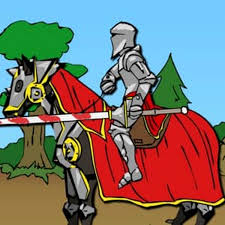
Age of War is a strategy game that combines base defense, unit management, and progression into one fast-paced battlefield experience. The main objective is straightforward: build an army, defend your base, destroy the enemy's forces, and eventually break through their defenses. What makes the game interesting is the way its mechanics are connected. Players cannot simply create the strongest units from the beginning. Instead, they need to manage their resources, choose the right moment to upgrade, and decide which troops should be sent into battle.
The game follows a progression through different historical ages. Each age introduces new types of soldiers and stronger military options, giving the battlefield a changing appearance as the match develops. Early units may be useful for establishing age of war control, while later units can completely change how an attack is handled. This progression gives every match a sense of development and encourages players to think about both their current situation and what they want to achieve later.
How Age of War Works
At its core, Age of War is a side-view strategy game. The player's base is positioned on one side of the battlefield while the enemy base is located on the other. Units move automatically toward the opposing side once they are deployed, allowing the player to focus on decisions such as which units to create, when to upgrade, and how to balance offense with defense.
The battlefield can become crowded quickly when both sides are producing troops. Different units have different strengths, attack ranges, movement speeds, and costs. Because of this, simply producing as many units as possible is not always the most effective approach. A player needs to consider how the current army matches the enemy's forces.
The ultimate goal is to destroy the opposing base. However, reaching that objective requires careful management throughout the entire match.
Managing Resources
Resources play an important role in Age of War. Every unit has a cost, so players need to decide how their available resources should be spent. Creating several inexpensive soldiers can provide immediate pressure, while saving resources for a stronger unit may create a more powerful attack later.
This creates an interesting decision whenever the player has enough resources for multiple options. Spending everything immediately can leave the base vulnerable if the opponent launches a counterattack. Saving too much, however, may allow the enemy to gain control of the battlefield.
A good strategy often involves maintaining a steady flow of units while keeping enough resources available for important upgrades or defensive responses. As players become familiar with the game, they begin to understand how quickly resources accumulate and how much they should reserve for different situations.
The Importance of Upgrades
One of the defining features of Age of War is its age progression system. Instead of using the same group of units throughout the entire game, players can advance to a new age and gain access to more advanced military options.
Upgrading at the right moment can completely change the pace of a match. Stronger units can deal more damage and survive longer, but reaching a new age also requires careful resource management. If a player spends too much on basic troops just before an important upgrade, progression may be delayed.
There is therefore an important balance between immediate battlefield pressure and long-term development. Players need to ask whether they should strengthen the army they already have or prepare for the next stage of the game.
Choosing the Right Units
Different units serve different purposes on the battlefield. Some are designed to move quickly and apply pressure, while others are more useful for dealing damage from a distance. Stronger units may take more resources, but their abilities can make them valuable when facing large groups of weaker enemies.
This means that unit selection should depend on the situation rather than following one fixed strategy. If the opponent is producing large numbers of inexpensive troops, an appropriate counter may be more useful than simply matching their army. Likewise, an enemy relying on powerful but slower units may give the player opportunities to use faster troops and attack from advantageous positions.
Understanding the strengths and weaknesses of each available unit is one of the most useful skills for improving at Age of War.
Balancing Attack and Defense
It is tempting to focus entirely on attacking because destroying the enemy base is the main objective. However, ignoring defense can quickly turn a strong position into a losing one.
Enemy units continue advancing toward the player's base while the player's own army is moving forward. If too many resources are spent on an offensive push, there may not be enough available to stop an unexpected counterattack.
Defensive decisions are especially important when the enemy has a large group approaching. Sometimes the best option is to delay an attack and concentrate resources on stopping the incoming force. Once the threat has been eliminated, the player can return to offensive pressure.
This creates a constant back-and-forth between attacking and defending, which keeps the battlefield active throughout the match.
Understanding Battlefield Pressure
Pressure is an important concept in Age of War. A player does not necessarily need to destroy the enemy immediately to gain an advantage. Keeping a steady stream of units moving toward the opponent can force them to spend resources on defense.
This can become especially effective when the opponent is preparing for an upgrade. If they are saving resources for a stronger age, a well-timed attack may force them to spend those resources on defensive units instead.
At the same time, players need to recognize when their own army is becoming too weak. Sending units forward one at a time without enough support may simply waste resources. Stronger pressure usually comes from creating groups of units that can support one another as they advance.
Timing Your Attacks
Timing can make a significant difference in Age of War. A large attack launched at the right moment can overwhelm defenses, while the same attack launched too early may accomplish very little.
Players should pay attention to what the opponent is doing. If the enemy has just spent a large amount of resources, their ability to respond may temporarily be reduced. This can create an opportunity to increase offensive pressure.
The opposite is also true. If the opponent has just reached a new age and gained access to stronger units, attacking without preparation may be risky.
Good timing therefore comes from observing the battlefield rather than following a fixed schedule.
Why the Age System Makes Matches Interesting
The progression through different ages gives Age of War a clear sense of development. A match does not remain static from beginning to end. The types of units available gradually change, and the scale of the battles can increase as players progress.
This system also gives players something to work toward. Reaching the next age can provide access to new strategic options, meaning that resource management in the early stages can have a direct impact on later battles.
The changing military technology also creates variety. A strategy that works well during one age may become less effective once stronger units appear. Players therefore need to adapt as the match develops rather than relying on the same approach throughout the entire game.
Learning From Every Match
Age of War rewards experimentation. A strategy that fails in one match can still teach the player something useful. Perhaps too many resources were spent on one type of unit, or perhaps an upgrade was delayed for too long.
Instead of treating every defeat as wasted time, players can use these moments to identify patterns. If a certain enemy unit repeatedly causes problems, it may be worth experimenting with different counters in the next game.
This makes repeated play useful because players gradually build an understanding of the game's economy, unit interactions, and timing.
Tips for New Players
New players should first become comfortable with the basic relationship between resources, units, and upgrades. It is easy to spend resources immediately whenever they become available, but doing so without a plan can create problems later.
Try to maintain a reasonable balance between offense and defense. Watch the enemy's army and avoid committing everything to an attack when your own base is under pressure.
It is also useful to experiment with different units rather than relying on a single favorite option. Different battlefield situations may require different approaches, and learning how units interact will make later matches easier to manage.
Most importantly, pay attention to timing. An upgrade or attack can be much more effective when used at the right moment.
Why Age of War Is Still Enjoyable
The appeal of Age of War comes from its simple but effective combination of strategy and progression. The controls are accessible, yet the decisions become more interesting as the battlefield develops.
Players are constantly making small choices: whether to spend resources now or save them, whether to defend or attack, which unit to deploy, and when to advance to the next age. None of these decisions is especially complicated on its own, but they work together to create a strategic challenge.
The game also has a satisfying sense of progression. Starting with relatively simple troops and gradually reaching more advanced military technology gives each match a clear feeling of development.
Final Thoughts on Age of War
Age of War is a strategy game that rewards players who can manage resources, understand unit roles, recognize battlefield pressure, and choose the right moments to attack or defend. Its age progression system gives matches a sense of direction, while the variety of units creates opportunities for different strategies.
The game is easy to understand when you first start playing, but improving requires more than simply producing troops as quickly as possible. Successful players learn to watch the enemy, control their resources, adapt their army, and plan several steps ahead.
For anyone who enjoys browser strategy games with base defense, army management, and continuous progression, Age of War offers a straightforward battlefield experience with plenty of room to experiment. Every match provides another opportunity to test a new strategy, improve resource management, and push an army through the ages toward the enemy base.
Tags : .....