Affordable Fire Sprinkler System Installation for Commercial & Industrial Buildings
By Elixir Engineering 10-08-2026 56
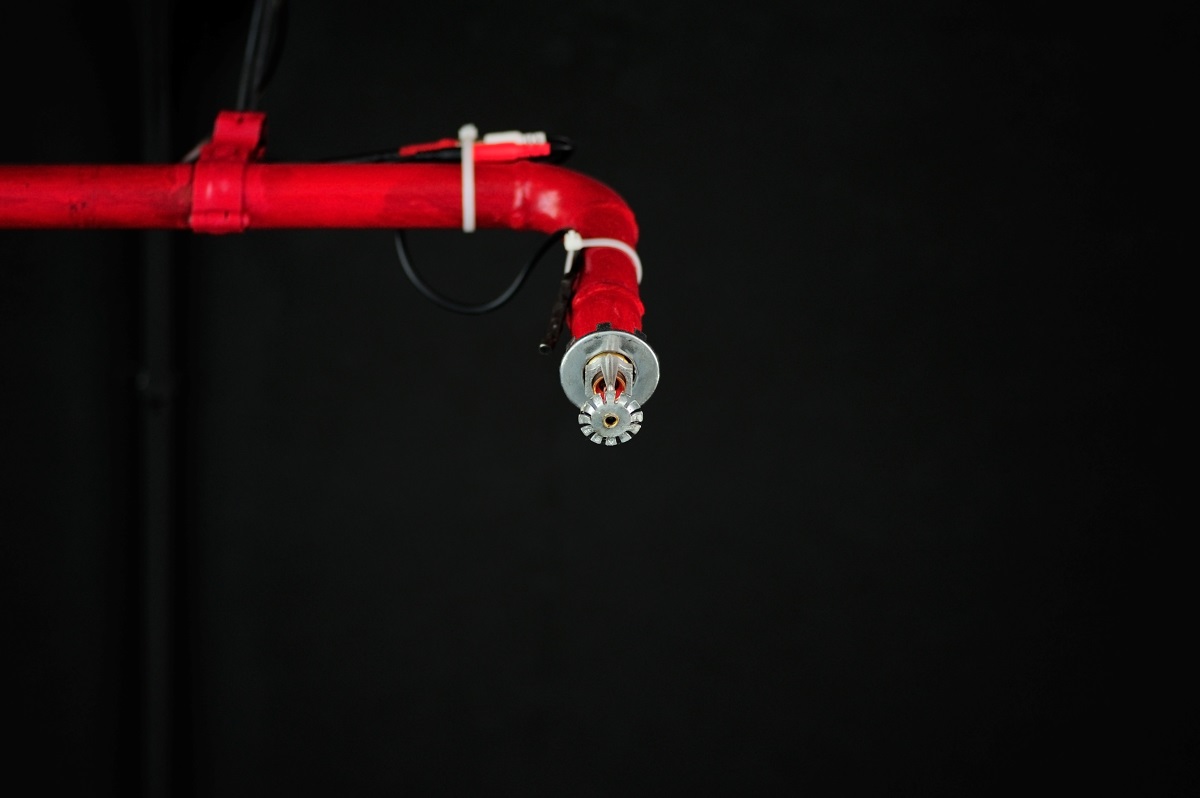
Fire safety is one of the most important responsibilities for commercial and industrial building owners. Offices, warehouses, factories, shopping centres, hotels, and other large properties can face serious fire risks because of electrical equipment, machinery, combustible materials, chemicals, and high occupancy. A small fire can quickly become a major emergency if it is not controlled at the right time.
One of the most effective ways to reduce fire damage is a properly designed and maintained sprinkler system. Fire Sprinkler System Installation provides automatic fire protection by detecting heat and releasing water directly over the affected area. This can help control a fire before it spreads throughout the building.
For businesses, affordability is important, but fire protection should never be based on the cheapest installation alone. A reliable system should be properly designed, installed with suitable equipment, tested regularly, and maintained according to applicable safety requirements.
Why Fire Sprinkler Systems Matter for Commercial Buildings
Commercial buildings often contain valuable equipment, documents, furniture, electrical systems, and other assets. A fire can result in property damage, business interruption, financial losses, and risks to employees and visitors.
A sprinkler system provides an automatic first response when a fire develops. Unlike manual firefighting equipment, sprinklers do not depend on someone noticing the fire immediately and operating the system.
The main benefits include:
- Early response to developing fires
- Reduced fire spread
- Protection for people and property
- Lower potential fire damage
- Additional protection for high-risk areas
- Automatic operation when heat reaches the sprinkler head
- Better overall fire safety preparedness
A professionally installed system can become an important part of a building's overall fire protection strategy.
What Is a Fire Sprinkler System?
A fire sprinkler system is a network of pipes, valves, sprinkler heads, and other components designed to distribute water during a fire emergency.
Sprinkler heads are positioned throughout protected areas. Each sprinkler head is designed to activate when the surrounding temperature reaches a specific level. In many systems, only the sprinkler heads exposed to sufficient heat activate rather than releasing water from every sprinkler head at the same time.
When a sprinkler activates, water is discharged over the fire area. This helps control the flames and can give occupants more time to evacuate while allowing emergency teams to respond.
The design of the system depends on several factors, including:
- Building size and layout
- Type of business
- Fire hazards present
- Occupancy type
- Storage arrangements
- Ceiling height
- Available water supply
- Local fire safety requirements
This is why professional planning is essential before installation begins.
Affordable Does Not Mean Cutting Corners
When businesses search for affordable fire protection, they may compare different installation prices. However, the lowest quotation is not always the most cost-effective option.
A poorly designed or incorrectly installed sprinkler system can create serious problems later. Insufficient water coverage, unsuitable components, incorrect pipe sizing, or poor maintenance access can reduce system performance when it is needed most.
A cost-effective approach focuses on long-term value.
Professional Fire Sprinkler System Installation can help businesses avoid unnecessary expenses by selecting the right system according to the actual risks and requirements of the property.
An experienced fire protection company can assess the building and recommend a solution that provides suitable coverage without installing unnecessary equipment.
Fire Sprinkler Systems for Industrial Buildings
Industrial facilities can have more complex fire risks than standard offices. Manufacturing processes, machinery, fuel, chemicals, packaging materials, plastics, and other combustible products can increase the possibility of fire.
Warehouses and industrial storage facilities also require careful sprinkler planning. The type of materials stored, storage height, rack arrangement, and building design can all influence the required fire protection system.
Depending on the facility, a sprinkler system may be designed to protect areas such as:
- Manufacturing floors
- Warehouses
- Storage rooms
- Loading and unloading areas
- Plant rooms
- Utility areas
- Commercial kitchens
- Parking facilities
- Office sections within industrial buildings
The system should be designed around the specific hazards instead of using a one-size-fits-all approach.
Key Components of a Fire Sprinkler System
Understanding the basic components can help property owners make better decisions when planning installation.
1. Sprinkler Heads
Sprinkler heads are the visible components installed throughout protected areas. They respond to heat and release water when activated.
2. Pipe Network
A network of pipes carries water from the water supply to individual sprinkler heads. Correct pipe sizing and layout are important for maintaining suitable water flow.
3. Control Valves
Control valves regulate water flow and allow sections of the system to be isolated for inspection, testing, or maintenance.
4. Water Supply
A dependable water source is essential for sprinkler performance. Depending on the building and system design, this may involve water tanks, pumps, or other dedicated arrangements.
5. Fire Pumps
Fire pumps can provide the required pressure and flow when the available water supply does not provide sufficient performance for the system.
6. Alarm and Monitoring Equipment
Some sprinkler systems are connected with fire alarm or monitoring arrangements so that activation can generate an alert and support a faster emergency response.
How Much Does Fire Sprinkler Installation Cost?
There is no single price for installing a sprinkler system because every commercial and industrial building has different requirements.
The total cost may depend on:
- Building size
- Number of sprinkler heads
- Pipe length and diameter
- Type of sprinkler system
- Water storage requirements
- Fire pump requirements
- Building height
- Installation complexity
- Type of occupancy
- Existing fire protection infrastructure
- Testing and commissioning requirements
For this reason, businesses should request a proper site assessment and project quotation instead of relying on a generic price estimate.
A professional assessment can identify the actual requirements and help the property owner plan the installation budget more effectively.
Choosing the Right Fire Sprinkler System
Different buildings may require different sprinkler arrangements. The correct system depends on the nature of the property and the fire hazards involved.
Common considerations include whether the building is heated or unheated, the type of materials stored, the expected fire risk, and the environmental conditions.
A qualified fire protection professional can evaluate these factors and recommend a suitable system.
The objective should always be to achieve effective fire protection while keeping installation and long-term maintenance costs practical.
Why Professional Installation Is Important
Fire sprinkler systems are life-safety systems. Their performance depends heavily on correct design, installation, testing, and maintenance.
Professional installation helps ensure that:
- Sprinkler heads are correctly positioned
- Pipes are installed according to the approved design
- Water flow requirements are considered
- Valves are accessible
- Pumps and tanks are properly connected
- The system is tested after installation
- Defects can be identified before the building becomes dependent on the system
Experienced fire safety professionals can also help businesses understand inspection and maintenance requirements.
Regular Maintenance Keeps the System Ready
Installing a sprinkler system is only the first step. Regular inspection and maintenance are necessary to keep the system ready for an emergency.
Building owners should ensure that sprinkler heads, valves, pipes, pumps, tanks, alarms, and related components are inspected as required.
Maintenance can help identify issues such as:
- Blocked or damaged sprinkler heads
- Corrosion
- Leakage
- Valve problems
- Pressure issues
- Pump faults
- Damaged pipes
- Obstructions near sprinkler heads
A system that is installed but neglected may not provide the expected protection during a real fire.
Common Mistakes to Avoid
Businesses should be careful about several common mistakes when planning fire sprinkler installation.
Choosing Based Only on Price
The cheapest quote may not provide the best long-term value. Compare design quality, equipment, installation standards, testing, and after-sales support.
Ignoring the Building's Fire Risks
Every property is different. A warehouse storing combustible goods may need a different solution from a standard office.
Blocking Sprinkler Coverage
Storage, partitions, lighting, or other structures can interfere with sprinkler discharge. The layout should be reviewed whenever the building is modified.
Skipping Maintenance
Even a high-quality system requires periodic inspection and testing.
Using Unqualified Installers
Incorrect installation can affect system performance and create compliance concerns. Always work with experienced fire protection professionals.
How to Plan a Cost-Effective Sprinkler Project
Businesses can make their sprinkler projects more affordable by planning early.
Start with a professional site survey. Understand the building's risks, layout, water supply, and protection requirements. Then compare detailed quotations from experienced fire safety companies.
It is also useful to consider future expansion. If the business expects to add storage areas, machinery, or additional floors, the fire protection strategy should take potential changes into account.
A properly planned project can reduce unnecessary modifications and unexpected costs later.
Why Businesses Should Invest in Fire Protection
Fire protection is not simply another building expense. It is an investment in people, property, business continuity, and peace of mind.
A well-designed sprinkler system can help control a fire during the critical early stages. This can reduce the potential for extensive damage and provide valuable time for evacuation and emergency response.
For commercial and industrial property owners, choosing professional Fire Sprinkler System Installation can therefore be an important step toward creating a safer working environment.
Final Thoughts
Commercial and industrial buildings require dependable fire protection because fire risks can vary significantly from one property to another. A properly designed sprinkler system can provide automatic protection and help control fires before they spread extensively.
Affordability should always be considered alongside quality, reliability, correct design, installation expertise, and long-term maintenance.
Businesses looking for a professional solution can explore Elixir Engineering's Fire Sprinkler System Installation services to understand how a properly planned sprinkler system can be designed for commercial and industrial applications.
The right fire protection system is not simply about installing equipment. It is about choosing a solution that matches the building, its occupants, its operations, and its specific fire risks.
Frequently Asked Questions
1. What is Fire Sprinkler System Installation?
Fire Sprinkler System Installation involves designing and installing a network of pipes, sprinkler heads, valves, water supplies, pumps, and related components to provide automatic fire protection.
2. Are sprinkler systems suitable for industrial buildings?
Yes. Sprinkler systems can be designed for many industrial environments, including manufacturing facilities, warehouses, storage areas, and other high-risk locations.
3. Is fire sprinkler installation expensive?
The cost depends on the size, layout, occupancy, fire risk, water supply, number of sprinkler heads, and other project requirements. A site assessment is the best way to determine the expected cost.
4. Do all sprinkler heads activate during a fire?
Not necessarily. In many systems, individual sprinkler heads activate when they are exposed to sufficient heat. This allows water to be discharged where it is needed.
5. Why is professional sprinkler installation important?
Professional installation helps ensure that the system is correctly designed, installed, tested, and prepared to perform when required.
6. How often should a sprinkler system be maintained?
Inspection and maintenance schedules depend on the system and applicable requirements. Building owners should follow the recommended inspection and maintenance program provided by qualified fire protection professionals.
7. Can an existing commercial building get a sprinkler system?
Yes. Existing buildings can often be assessed for sprinkler installation. The project may require modifications based on the building structure, water supply, ceiling arrangement, and existing fire protection systems.
8. How can businesses reduce sprinkler installation costs?
Businesses can control costs through proper planning, accurate site assessment, suitable system selection, detailed quotations, and regular maintenance that helps prevent expensive failures and repairs.
9. Can sprinkler systems be integrated with other fire safety systems?
Depending on the design, sprinkler systems can work alongside fire alarms, fire pumps, hydrant systems, and other fire protection measures to create a more comprehensive safety strategy.
10. What should businesses consider before installation?
Businesses should consider building size, occupancy, fire hazards, storage arrangements, water supply, system design, installation expertise, testing, maintenance, and applicable fire safety requirements before starting the project.
Tags : fire sprinkler system