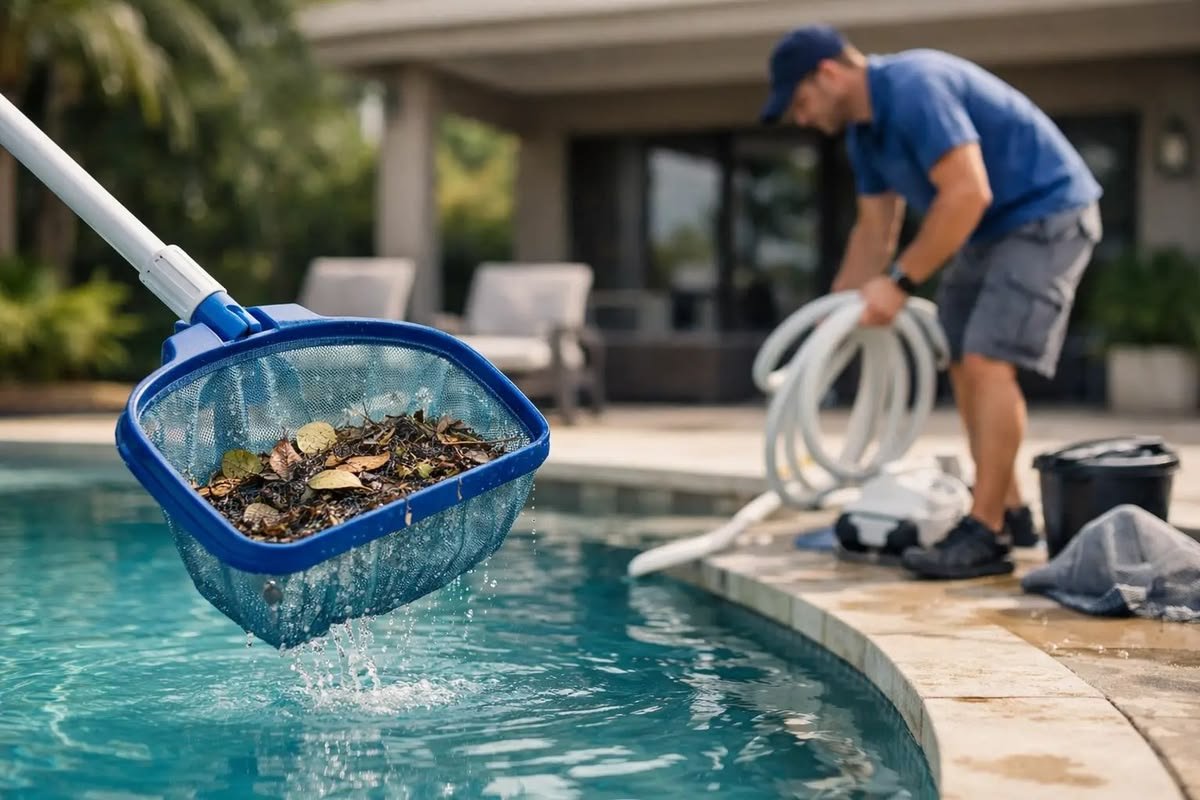
Ever wondered why your neighbour's pool always looks crystal clear while yours seems to have a permanent haze? Have you found yourself questioning whether your pool filter is actually doing its job? Or perhaps you're setting up a new above ground pool and feeling overwhelmed by all the filter options out there?
You're not alone. Pool filtration might not be the most glamorous topic, but it's absolutely vital for keeping your swimming spot safe, clean, and inviting. Your filter works tirelessly behind the scenes, trapping everything from leaves and debris to microscopic nasties that could make your family unwell. Without a properly functioning filter, your pool would quickly become a murky, uninviting mess—no matter how much chlorine you throw at it.
In this guide, we'll break down everything you need to know about above ground pool filters. We'll explore the different types available, help you choose the right one for your setup, and share maintenance tips that'll keep your system running smoothly for years. Whether you're a first-time pool owner or looking to upgrade your current setup, you'll walk away with the knowledge to make your pool the envy of the neighbourhood.
Understanding Above Ground Pool Filters: The Basics
What Does a Pool Filter Actually Do?
Think of your pool filter as the kidneys of your swimming pool. Just as kidneys remove waste from your bloodstream, your filter removes contaminants from your pool water. It captures dirt, debris, algae, bacteria, and other particles that would otherwise make your pool unsafe and unpleasant.
The filtration process is straightforward. Your pool pump draws water from the pool, pushes it through the filter media, and returns clean water back to the pool. This cycle runs continuously, typically for 8-12 hours daily, keeping your water fresh and swimmable.
How Pool Filters Keep Your Water Safe and Swimmable
Your filter works hand-in-hand with your pool chemicals. While chlorine and other sanitisers kill bacteria and algae, the filter physically removes dead organisms, sunscreen residue, body oils, and environmental debris. Without proper filtration, these particles would accumulate, creating cloudy water and reducing the effectiveness of your chemicals.
Types of Above Ground Pool Filters Explained
Sand Filters: Affordable and Low Maintenance
Sand filters are the workhorses of the pool world. They use specially graded sand to trap particles as water passes through. These filters are incredibly popular among Australian pool owners thanks to their reliability and minimal upkeep requirements.
The beauty of sand filters lies in their simplicity. You'll only need to replace the sand every 5-7 years, and cleaning involves a simple backwashing process. They're brilliant for larger pools and handle heavy debris loads well. On the downside, they filter particles down to about 20-40 microns—larger than other filter types.
Cartridge Filters: Easy to Clean and Energy Efficient
Cartridge filters have gained serious popularity in recent years. They use a pleated polyester cartridge to trap debris, filtering particles down to 10-15 microns. This makes them more effective than sand filters at capturing fine particles.
What makes cartridge filters shine is their energy efficiency. They require less pump pressure to operate, which translates to lower electricity bills—something every Australian appreciates. Cleaning is as simple as hosing down the cartridge every few weeks.
DE (Diatomaceous Earth) Filters: Superior Filtration Power
DE filters offer the finest filtration available, capturing particles as small as 2-5 microns. They use a powder made from fossilised diatoms coated onto internal grids. The result? Exceptionally clear water that sparkles in the sunlight.
However, this superior performance comes with higher maintenance demands and costs. DE powder needs replacing after each backwash, and the grids require careful handling. They're best suited for pool owners who prioritise water clarity above all else.
Which Type of Filter is Best for Above Ground Pools?
For most above ground pool owners, cartridge filters hit the sweet spot. They offer excellent filtration, reasonable pricing, and manageable maintenance. Sand filters remain a solid choice for those wanting the lowest maintenance option, while DE filters suit perfectionist pool owners willing to invest extra time and money.
How to Choose the Right Pool Filter for Your Above Ground Pool
Matching Filter Size to Your Pool Capacity
Getting the right filter size is crucial. An undersized filter works overtime, wears out faster, and struggles to keep your water clean. An oversized filter, while less problematic, means spending more than necessary.
What Size Filter Do I Need for My Above Ground Pool?
The general rule is to match your filter's flow rate to your pump's output. Your filter should be capable of processing your entire pool volume at least once every 8 hours. For a typical 40,000-litre above ground pool, you'll want a filter rated for at least 5,000 litres per hour.
Budget Considerations: Finding Value Without Compromising Quality
Quality filters range from $200 for basic cartridge models to $800+ for premium sand or DE systems. Investing a bit more upfront often pays off through longer lifespan, better performance, and reduced running costs.
Climate Considerations for Australian Pool Owners
Australia's harsh sun and extended swimming seasons mean your filter works harder than those in cooler climates. Consider upgrading to a slightly larger filter capacity and expect to run your pump longer during peak summer months.
Pool Filter Maintenance: Keeping Your System Running Smoothly
How Often Should You Clean Your Above Ground Pool Filter?
Cartridge filters need cleaning every 2-4 weeks during swimming season. Sand filters require backwashing when the pressure gauge reads 8-10 psi above normal. DE filters need backwashing and fresh DE powder when pressure rises similarly.
Step-by-Step Filter Cleaning Guide
For cartridge filters, remove the cartridge, hose it thoroughly from top to bottom, and soak it in filter cleaner solution quarterly. For sand filters, simply run the backwash function for 2-3 minutes until the sight glass runs clear. Always turn off the pump before changing valve positions.
When to Replace Your Pool Filter
Cartridge filters typically last 2-3 years with proper care. Sand needs replacing every 5-7 years, while DE grids can last 7-10 years. Signs of a failing filter include persistent cloudy water, frequent cleaning requirements, and visible damage to filter media.
Common Pool Filter Problems and How to Fix Them
Why Is My Pool Still Cloudy After Running the Filter?
Cloudy water despite filtering usually indicates either an undersized filter, insufficient run time, or filter media that needs cleaning or replacing. Check your chemical balance too—high pH or low sanitiser levels can cause cloudiness that filtration alone won't fix.
Dealing with Low Water Pressure
Low pressure often signals a clogged or dirty filter. Start with a thorough clean. If pressure remains low, check for air leaks in the pump system or blockages in skimmer baskets.
Signs Your Filter Needs Replacing
Watch for consistently poor water clarity, shortened cleaning intervals, visible damage to filter components, and the inability to maintain proper pressure. When repairs become frequent, replacement makes more economic sense.
Pool Filter and Pump Combinations: Getting the Perfect Match
How Filter and Pump Systems Work Together
Your pump and filter form a partnership. The pump provides the muscle, moving water through the system, while the filter does the cleaning work. Mismatched components lead to inefficiency, poor filtration, or equipment damage.
Can I Use Any Filter with My Above Ground Pool Pump?
Not quite. Your filter and pump must have compatible flow rates. A pump that's too powerful for your filter causes bypass—water moving too quickly for effective filtration. Check manufacturer specifications to ensure proper matching.
Final Thoughts: Investing in Clean, Healthy Pool Water
Choosing the right above ground pool filters doesn't need to be complicated. By understanding the three main types—sand, cartridge, and DE—you can select the option that best suits your budget, maintenance preferences, and water quality expectations.
Remember that proper sizing matters enormously. An appropriately sized filter matched to your pump ensures efficient operation and sparkling water throughout the swimming season. Plus, regular maintenance extends your filter's lifespan and keeps it performing at its best.
Your pool should be a source of joy and relaxation, not stress. With the right filter in place and a simple maintenance routine, you'll spend less time troubleshooting and more time enjoying those refreshing swims. Here's to crystal clear water and endless summer fun in your backyard oasis!
Tags : Above Ground Pool Filters