A Homeowner’s Playbook for Beating San Antonio Heat Without Overworking Your HVAC
By Mason Creed 08-02-2026 114
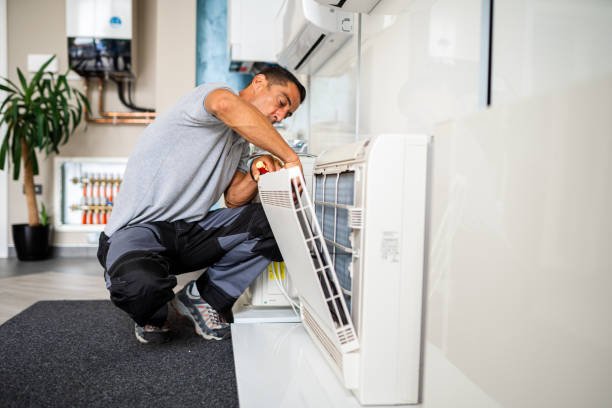
San Antonio summers don’t play around. When the thermostat climbs, your HVAC system becomes the hardest-working “appliance” in the house—and often the most expensive to run when something is off. The good news: a few smart habits and small upgrades can make your home feel better and help your system last longer.
Below is a practical, homeowner-friendly guide to improving comfort, airflow, and efficiency—especially in climates where long cooling seasons are the norm.
Start With the Two Things That Matter Most: Airflow and Heat Gain
Most comfort complaints (hot rooms, weak airflow, high bills, constant cycling) trace back to one of two root issues:
- Airflow problems: Dirty filters, blocked returns, leaky ducts, closed vents, or a system that hasn’t been maintained.
- Excess heat gain: Your house is absorbing more heat than your HVAC can efficiently remove—often through poor insulation, air leaks, or sun exposure.
When you tackle both together, you get the fastest improvements.
Quick self-check you can do today
- Hold your hand up to a few supply vents: do they feel consistent from room to room?
- Listen for whistling near doors or windows (a sign of air leakage).
- Notice if the system runs nonstop in the afternoon but barely catches up at night.
- Check whether any rooms feel humid or “stuffy” even when they’re cool.
If you see multiple signs, you’re not alone—and you’re not doomed to live with it. It just means you need a more systematic approach.
The 15-Minute Maintenance Routine That Pays Off All Season
You don’t need to be handy to make your HVAC system’s job easier. These basics prevent the most common “avoidable” issues.
Your monthly (or “every 4–6 weeks”) checklist
- Replace or clean the air filter (set a phone reminder). A clogged filter restricts airflow, which can reduce performance and increase wear.
- Clear supply vents and return grilles. Rugs, furniture, and curtains can quietly cut airflow.
- Gently rinse debris from the outdoor unit (power off first). Leaves and dust can reduce heat transfer.
- Check your thermostat schedule. If you’re cooling an empty house all day, you’re paying for comfort no one enjoys.
A small note on filters: “Higher MERV” isn’t automatically better. Some systems struggle with overly restrictive filters. When in doubt, prioritize consistent replacement over “maximum filtration” marketing.
Smart Thermostat Settings: Comfort First, Efficiency Second
A smart thermostat can help—but only if it’s set up to match how you live.
Practical thermostat tips for hot climates
- Avoid big temperature swings. A drastic drop can make your system run longer and feel less comfortable.
- Use gradual schedules. Start cooling earlier in the day in small steps instead of trying to recover from peak heat all at once.
- Pay attention to humidity comfort. Sometimes the goal isn’t “colder,” it’s “less muggy.” (If humidity feels high indoors, that’s a clue something needs adjustment.)
If your home feels uncomfortable even at a reasonable setpoint, it may point to airflow, duct issues, insulation gaps, or equipment sizing—not just thermostat settings.
Don’t Ignore Ductwork: The Hidden Comfort System
Ducts are out of sight, but they drive how your home actually feels. Leaky or poorly balanced ductwork can cause:
- uneven temperatures (one room freezing, another roasting)
- dusty air and “stale” smells
- longer runtimes and higher utility costs
- noisy airflow and weak vent pressure
Signs your ducts deserve attention
- You rarely feel strong airflow from certain vents.
- Bedrooms or upstairs rooms are always warmer.
- You notice extra dust even with regular cleaning.
- Your system seems loud, but only in certain rooms.
A professional duct inspection can be eye-opening because it reveals what your thermostat can’t: where the air is going (or escaping).
Indoor Air Quality: Keep It Simple and Evidence-Based
Indoor air quality (IAQ) is often overcomplicated. For most households, a realistic IAQ plan looks like this:
- Control particles (filters, sealing obvious leaks, keeping ducts in good condition).
- Control moisture (proper system operation, addressing humidity, ventilation where needed).
- Control airflow patterns (balanced supply/return, avoiding pressure problems).
Some homes benefit from add-ons like whole-home filtration, UV systems, or dehumidification. The key is choosing solutions based on your actual issues—rather than guessing.
Informational note: IAQ improvements can support comfort, but this isn’t medical advice. If you have health concerns, consult a qualified professional.
When to Repair vs. Replace: A Decision Framework That Reduces Regret
Homeowners often wait until a breakdown forces a rushed decision. A calmer approach is to watch for “stacking problems.”
Consider a replacement plan if you have 3+ of these:
- frequent repairs or recurring issues
- rising energy bills without lifestyle changes
- inconsistent comfort that maintenance doesn’t resolve
- system is older and struggles during peak afternoons
- major components are wearing out close together
Even if you’re not ready to replace immediately, having an evaluation and a budget plan helps you avoid emergency decisions.
If you want to see how a local, family-owned HVAC team approaches service options like maintenance programs, ductwork solutions, and emergency support, you can review the service overview at cowboysac.com.
A Simple “Whole-Home” Efficiency Stack That Works Almost Everywhere
If you want the biggest impact with the least complexity, prioritize improvements in this order:
- Air filter consistency (cheap, high ROI)
- Airflow basics (open vents, clear returns, address weak rooms)
- Seasonal tune-ups (catch issues early)
- Duct sealing/balancing (often a game-changer)
- Air sealing + insulation (reduces heat gain at the source)
- Smart controls and zoning (when the home and equipment support it)
- Equipment upgrade (when repairs and performance no longer make sense)
This approach prevents “throw money at the thermostat” syndrome and focuses on what actually changes comfort.
Conclusion: Comfort Is a System, Not a Setting
In a place like San Antonio, HVAC comfort isn’t just about lowering the number on the thermostat. It’s about airflow, duct performance, heat gain, and maintenance habits working together. When you treat your home like a system—and make improvements in the right order—you’ll usually get a quieter house, steadier temperatures, and fewer surprise breakdowns.
Tags : .....