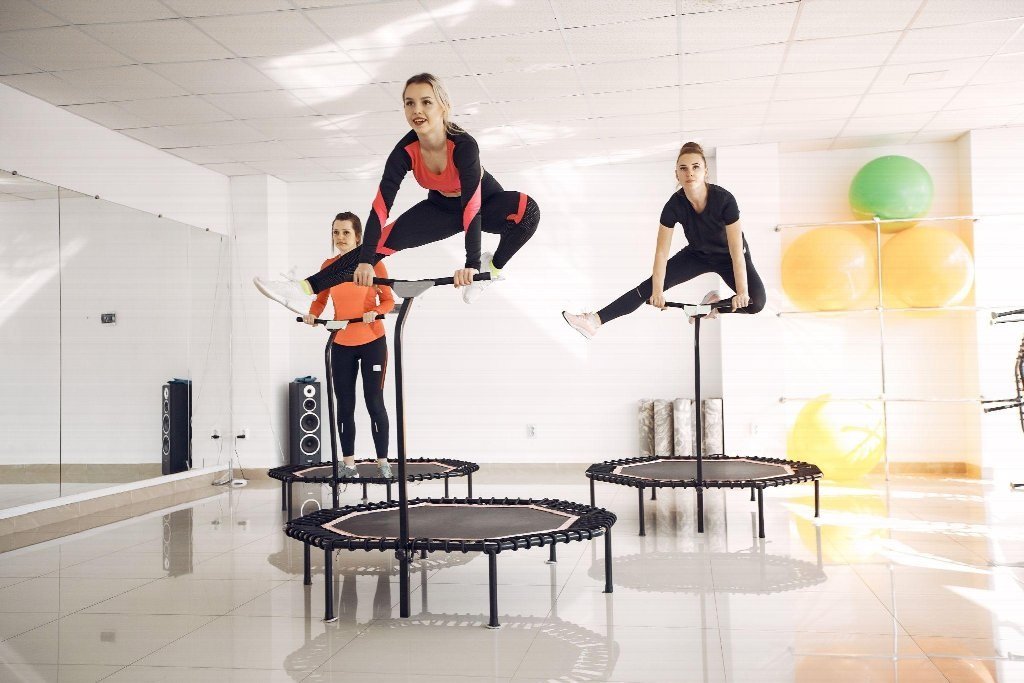
Let's be honest, most workout routines feel like punishment. You drag yourself to the gym, stare down a treadmill, and wonder why staying healthy has to be so miserable. That's exactly why rebounding has exploded as a home fitness trend.
According to the CDC, only 47.2% of adults age 18 and older met federal guidelines for aerobic physical activity. That's more than half of us falling short. And honestly? The problem might not be willpower; it might just be that conventional exercise is boring.
Why a Fitness Trampoline Is Worth It for Adults
A quality fitness trampoline for adults changes that equation entirely. You get low-impact, calorie-torching movement that genuinely doesn't feel like work. This guide walks you through everything: benefits, features, sizing, safety, workouts, and trends, so you can buy with total confidence.
Why Adults Are Jumping on This Trend
Rebounding isn't a gimmick. It's backed by real science, and adults across fitness levels are feeling the difference after just a few weeks of regular sessions.
Here's the thing most people don't expect: trampolining is actually *kind* to your body. The mat absorbs impact that would otherwise travel up through your knees, hips, and spine. So unlike running or jump rope, you're protecting your joints while still pushing your cardiovascular system hard.
Cardiovascular and Weight Management Wins
A recent meta-analysis found that rebounding significantly reduced BMI in adults with overweight and obesity, while also improving balance. That's two major health markers moving in the right direction from one form of exercise. Not bad for something you can do in your living room.
Core Strength and Coordination You Don't Have to Chase
Every single bounce activates your stabilizer muscles. Your core is engaged constantly, even during a light, low-intensity session. Give it a few weeks, and you'll notice the difference in your posture, your balance, your everyday movement.
The Mood Boost is Real
There's something almost meditative about bouncing rhythmically. The movement triggers endorphin release, which cuts stress and lifts your mood in ways that a treadmill session rarely does. Many regular rebounders describe their sessions as the best part of their day. Genuinely.
What Makes a High-Quality Adult Fitness Trampoline
Not every rebounder is worth your money. The gap between a solid adult fitness trampoline and a flimsy knockoff is enormous, and you'll feel it immediately on your first bounce.
Frame Construction: Don't Cut Corners Here
Heavy-gauge, corrosion-resistant steel is non-negotiable. Cheap frames flex. They warp over time. They compromise both bounce quality and your safety. When you're evaluating options, the frame is the first thing to scrutinize, not the price tag.
Springs Vs. Bungee Vs. Springless: Which is Right for You?
- Spring systems deliver a firm, responsive bounce. Great if you want intensity and high-energy moves.
- Bungee cord systems are quieter, smoother, and remarkably gentle on joints. These are a favorite for people prioritizing comfort or managing chronic pain.
- Springless designs sit in the middle, durable and low-risk, with no pinch points.
For most adults focused on joint health and long-term use, bungee systems tend to edge out the competition.
Weight Limits, Mat Size, and Certifications
Always, always, choose a rebounder whose weight capacity exceeds yours by a comfortable margin. A mat diameter of at least 38 to 40 inches gives you real freedom of movement. And look for recognized safety certifications. This isn't a place to gamble on unknowns.
Finding the Right Size and Style for Your Space
Sizing is more personal than people realize. A trampoline that's perfect for a spacious home gym might be completely wrong for a small apartment. Think practically here.
Round Vs. Rectangular
Round rebounders dominate the home fitness market for good reasons: compact footprint, versatile, and affordable. Rectangular models have more bounce surface and suit larger spaces or advanced routines. If your space is limited, a foldable 38-inch round model is almost always the smart call.
Should You Get a Handlebar?
Yes, especially if you're just starting, older, or managing any balance challenges. A stabilizer bar lets you focus entirely on the movement. You can always remove it later as your confidence builds. Think of it as training wheels you're not embarrassed to use.
Comparing Budget, Mid-Range, and Premium Models
Feature Breakdown at a Glance
What Top Brands Are Actually Innovating
The leading brands right now are integrating digital rep counters, near-silent bounce technology, and Bluetooth audio into their rebounders. These features aren't just flashy; they make workouts measurably more engaging and help you track progress without a separate device. Worth factoring in if long-term motivation matters to you.
Workouts That Actually Deliver Results
An adult trampoline workout is remarkably flexible. You can keep it gentle, light lymphatic bouncing, steady breathing, low intensity, or you can crank it up into full-blown HIIT circuits. That range is part of what makes rebounding so sustainable.
A Solid 20-Minute Starter Routine
Start with two minutes of slow, easy bouncing to warm your joints up. Then work through 30-second intervals: jogging in place, jumping jacks, squat jumps. Rest briefly between rounds. Cool down with controlled bouncing and a light stretch. That's a complete cardio-and-core session in 20 minutes flat.
Level it up with Tech.
Plenty of fitness apps now offer dedicated rebounder classes, structured, coached, and timed. Pair that with a wearable tracker, and you've got real-time heart rate data, calorie estimates, and built-in accountability. It turns a solo workout into something that actually feels connected.
How to Match Your Trampoline to Your Life
Understanding how to choose a fitness trampoline for adults really boils down to one core question: what are you actually trying to accomplish? Weight loss needs look different from joint rehabilitation goals, which look different from athletic performance training.
Measure your floor space before you start browsing; seriously, do it with a tape measure. Check your ceiling height if you anticipate bigger jumps. Set a budget that reflects mid-range quality at minimum, because that's where the real value-to-durability ratio lives.
Safety First, No Exceptions
Inspect your rebounder before every single session. Worn springs, loose bolts, fraying mat edges,-catch these early. Non-slip socks and a padded spring cover are small investments that meaningfully reduce injury risk. If you're managing a medical condition or taking medication that affects balance, loop in your doctor before you start. It takes five minutes and could save you from a real setback.
Keeping Your Rebounder in Great Shape
Wipe the mat down regularly with mild soap; buildup degrades the material faster than you'd think. Store your rebounder indoors or under a cover during long stretches of non-use, particularly in humid climates. Springs and bungee cords wear out eventually; replace them when tension fades, or visible wear appears. Keep your model number somewhere accessible; most reputable brands sell replacement parts directly.
The Market is Moving Fast
The global fitness trampolines market was valued at USD 400 million in 2024 and is projected to reach USD 1.2 billion by 2033, growing at a CAGR of 13.5%. That's not a niche hobby anymore; that's mainstream fitness momentum.
Coming soon: eco-conscious manufacturing, LED-lit frames, virtual reality workout integrations. Meanwhile, science-backed applications, from lymphatic drainage research to NASA-cited rebounding efficiency studies, are steadily reinforcing what regular users already know firsthand. This stuff works.
Ready to Take That First Bounce?
Here's the simplest possible advice: know your goals, measure your space, set an honest budget, and prioritize build quality over everything else. The fitness trampoline for adults that serves you best is the one built for your body, your space, and the kind of exercise you'll actually stick with.
Whether you're bouncing for 10 gentle minutes each morning or grinding through HIIT intervals three times a week, there's a rebounder designed for exactly that. Trust the process, start simple, and don't be surprised when a trampoline becomes your favorite part of the day, genuinely.
Your Top Questions, Answered Straight
40-inch or 48-inch rebounder, which should you get?
A 48-inch model suits taller adults and more dynamic movement. A 40-inch works well for lighter routines or tighter rooms. Let your height and floor space make that call.
What does 10 minutes of rebounding actually compare to?
Ten minutes of moderate bouncing is often compared to around 30 minutes of jogging for cardiovascular benefit, though results vary based on intensity and body composition.
Is it safe for seniors or people with joint issues?
Bungee-based rebounders are among the most joint-friendly cardio options in existence. Add a stabilizer bar, and you've got a genuinely accessible, low-risk workout for older adults.
Tags : .....