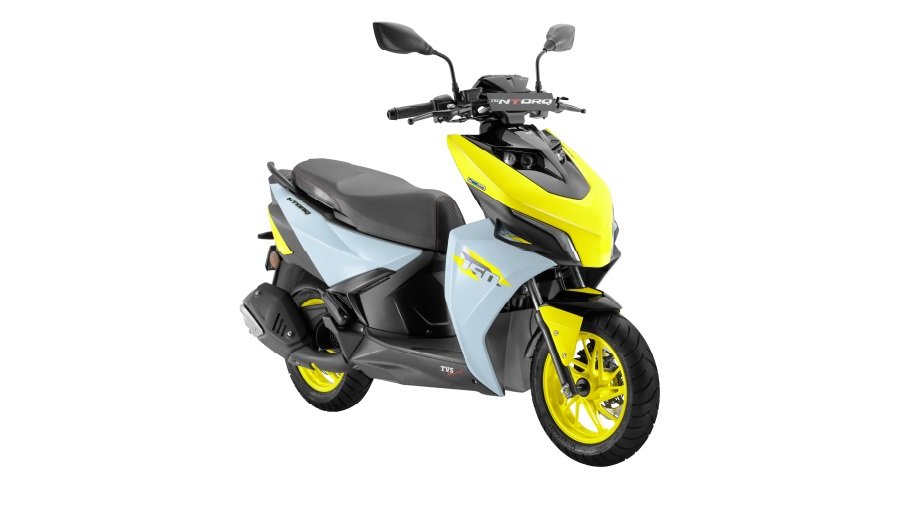
Walk into a TVS showroom asking about the scooter, and the first number you hear is rarely the number you end up paying at delivery. Anyone tracking the Ntorq 150 price in India soon realises the ex-showroom figure is only the opening line of the conversation, not the total. Three separate charges close that gap, and knowing them before you visit a dealership saves an awkward surprise at the billing counter.
Three Charges You Will Not See on the Poster
The ex-showroom sticker leaves out several costs that get added before the scooter is billed:
Road tax, charged as a percentage of the ex-showroom price and set individually by each state
A comprehensive insurance policy, usually mandatory for a new vehicle, priced by the coverage a buyer selects
RTO registration and dealership handling fees, which stay fairly steady regardless of where the scooter is bought
Together, these three additions typically explain almost all of the distance between the number quoted on a poster and the one printed on the final invoice. None of them is optional, so budgeting only for the ex-showroom figure almost always falls short once the invoice arrives.
The Sticker Price for Each Trim
The Ntorq 150 comes in a standard variant and a higher TFT variant. The standard model's ex-showroom price sits just above one lakh rupees, while the TFT version costs a little more for its added display and connectivity hardware. Both use the same 149.7cc engine and share the same underpinnings, so this opening gap has nothing to do with performance. Buyers who only need basic transport can save that difference by sticking with the standard trim, while those drawn to the connected screen can plan their budget around the higher starting point from day one.
Same Scooter, Different City, Different Bill
Because road tax rates are set at the state level, the same scooter can carry noticeably different on-road prices depending on where it is registered. On-road pricing can vary significantly from one city to another, even for the same variant. Differences in road tax, insurance, registration and dealer handling charges can push the final amount higher or lower depending on where the scooter is purchased. Smaller cities may also see slightly different figures due to local charges and dealer-specific costs. Two friends buying the identical scooter in different states can end up with invoices that differ by several thousand rupees, purely because of where the registration happens. The lesson holds regardless of city: the number on a comparison website is a starting estimate, not a quote.
What Doesn't Change No Matter Where You Buy
Whatever the final figure, the scooter itself stays consistent across the country. Quad LED projector headlamps, traction control, single-channel ABS, Street and Race riding modes, a 22-litre under-seat space and a USB charging port come as standard on every unit sold, whether it leaves a showroom in a metro or a smaller town. Only the paperwork changes from city to city, not the machine, which means a buyer never has to trade features for a lower on-road price simply by choosing a different location.
Spreading the Cost
Most dealerships break the on-road price into monthly instalments through tie-ups with finance partners. A larger down payment trims the EMI, while stretching the tenure lowers the monthly outgo but raises the total interest paid over the loan. Exchange offers on an older scooter can also reduce the amount that needs financing, and it is worth asking about these before signing any paperwork rather than after. Comparing two or three finance offers side by side, rather than accepting the first one presented at the counter, often reveals a noticeably better interest rate or processing fee.
One Call Before You Book
Before finalising anything, it is worth phoning two or three dealerships in your city and asking each one to quote the full on-road figure for the TVS Ntorq 150 price in India, not just the ex-showroom number. Road tax rates and insurance premiums are revised periodically, so a figure seen online months ago may already be out of date. It is also worth asking whether the quoted handling charge is negotiable, since this is one of the few line items dealerships have discretion over. That one phone call, made before a showroom visit, is usually enough to avoid any gap between the price expected and the price actually paid.