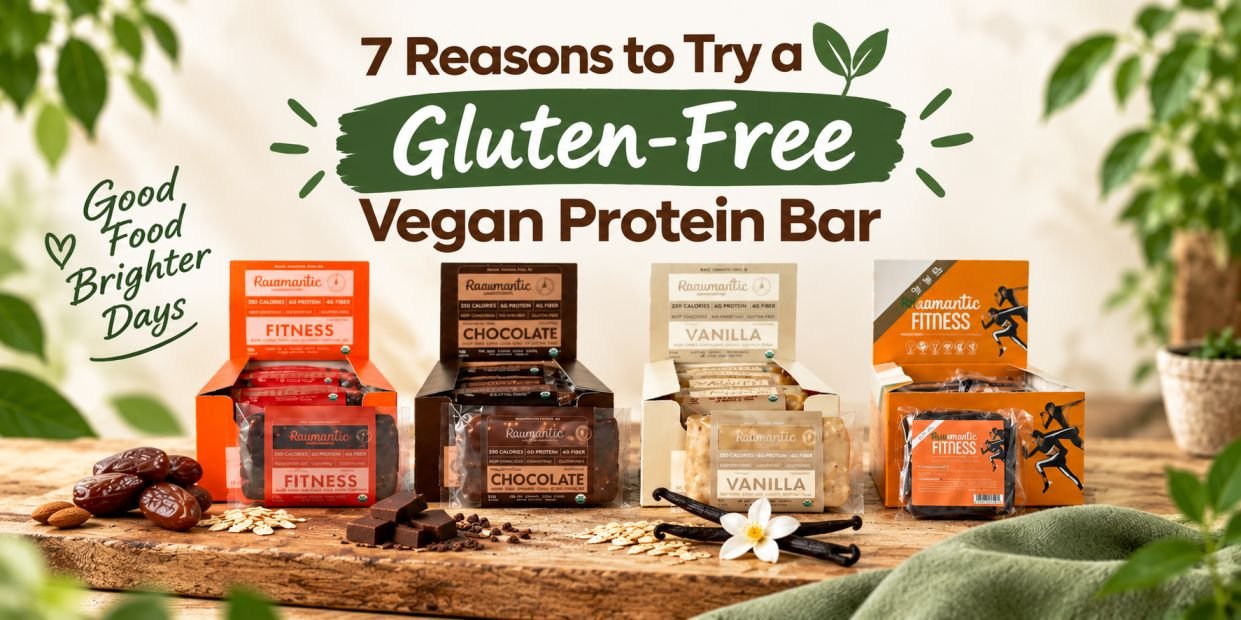
Snack time should not come with a side of guesswork. If you have ever stood in a grocery aisle squinting at an ingredient list, wondering whether "natural flavors" means what you hope it means, you already know how hard it can be to find something that actually fits your diet. That is where a gluten-free vegan protein bar earns its place in your bag, your desk drawer, or your gym locker.
This guide breaks down why more people are reaching for gluten-free protein bars instead of the sugar-loaded snacks that used to fill vending machines. We will also cover what to check on a label and how Rawmantic® Chocolate, a New York-based chocolate and protein bar maker, approaches this category.
Why People Are Switching to Plant-Based Snacks
Cutting out gluten and animal products used to mean settling for bland, chalky bars. That is no longer true. A well-made gluten-free vegan protein bar can taste like dessert while still delivering real nutrition, and that combination is winning over shoppers who never used to check ingredient labels at all.
Part of the shift comes from how many people now discover a gluten sensitivity later in life, sometimes after years of unexplained stomach trouble. Part of it comes from athletes and weekend gym-goers who want protein without dairy. And part of it is simply that plant-based snacks have gotten a lot better in the last few years. What used to taste like sawdust with a chocolate coating now tastes like an actual treat.
For a New York company like Rawmantic® Chocolate, that shift shaped the whole business. The founders wanted a snack that fit a strict diet without feeling like a compromise, so they built the recipe around whole food ingredients instead of syrups and fillers.
7 Reasons to Try a Gluten-Free Vegan Protein Bar
- Easier digestion. Many people react to gluten without ever getting an official diagnosis. Choosing a gluten-free vegan protein bar removes one common source of bloating and sluggishness from your day.
- Plant-based protein that still works. Pea protein, sunflower seeds, and nut butters can supply the same muscle support as whey, without the dairy. Athletes and casual gym-goers alike are finding that gluten-free protein bars built on plant protein hold up fine during recovery.
- Fewer hidden ingredients. Bars made with real, recognizable food, such as dates, seeds, and cacao, tend to skip the long list of gums, fillers, and preservatives found in mass-produced snack aisles.
- Better blood sugar behavior. Fiber-rich ingredients like seeds and coconut slow down how fast sugar hits your bloodstream, so you get steadier energy instead of a spike and a crash.
- Allergy-friendly for more people. A gluten-free vegan protein bar often sidesteps dairy, egg, and, in some cases, nut allergens too, which makes it easier to share at the office or pack in a kid's lunch.
- Genuine flavor. Dark chocolate, salted caramel, and coconut raspberry are not flavors you would expect from "health food," yet that is exactly what a good gluten-free protein bar can taste like.
- Convenience without compromise. You get a snack you can toss in a bag and eat on the subway, at your desk, or after a workout, without worrying about what you are putting into your body.
What to Look for in Gluten-Free Protein Bars
Not every bar labeled "healthy" earns the title. Some are just candy bars with a green label and a clever name. Before you buy, run through this quick checklist:
- Check for a short ingredient list you can actually pronounce.
- Look at grams of added sugar, not just total sugar.
- Confirm the protein source, such as pea, sunflower, or rice protein.
- Verify the gluten-free claim comes from real testing, not just an assumption.
- Ask whether the bar is handcrafted in small batches or mass-produced on a line.
- Notice whether the flavor comes from real fruit and cacao or from a lab-made extract.
A minute spent reading the back of the package can save you from a bar that talks a good game but does not deliver.
How Rawmantic® Chocolate Approaches It
Rawmantic® Chocolate is a small, New York-based maker of chocolate and energy protein bars. Two sisters started the company with one goal in mind: prove that healthy snacking does not have to mean giving up flavor.
Every bar is handcrafted from organic ingredients sourced through fair trade practices. There is no dairy, no added preservatives, no artificial flavors or coloring, and every recipe is non-GMO from the start. Several bars are kosher certified, and many are raw, which means the ingredients keep more of their natural nutrients.
For anyone comparing gluten-free protein bars, that level of care shows up in the ingredient list. Instead of white flour, dairy cream, and eggs, you will find coconut flour, cashew cream, and cacao butter doing the work, so the final bar still tastes rich without the shortcuts.
A Snack Worth Keeping Around
Whether you are managing a gluten sensitivity, following a plant-based diet, or just tired of snacks that taste like cardboard, a gluten-free vegan protein bar deserves a spot in your routine. It proves that eating well and eating something you actually want to eat do not have to be two separate goals.
Rawmantic® Chocolate makes that easier with bars built from real, organic ingredients and flavors people actually crave, from salted caramel and dark chocolate to coconut and raspberry.
Ready to Stock Your Shelves or Your Pantry?
If you run a cafe, gym, or retail store and want to offer customers gluten-free protein bars they will actually reorder, Rawmantic® Chocolate can help. Visit their website today to request a free quote and see how their handcrafted, plant-based bars can fit your menu or your shelves.