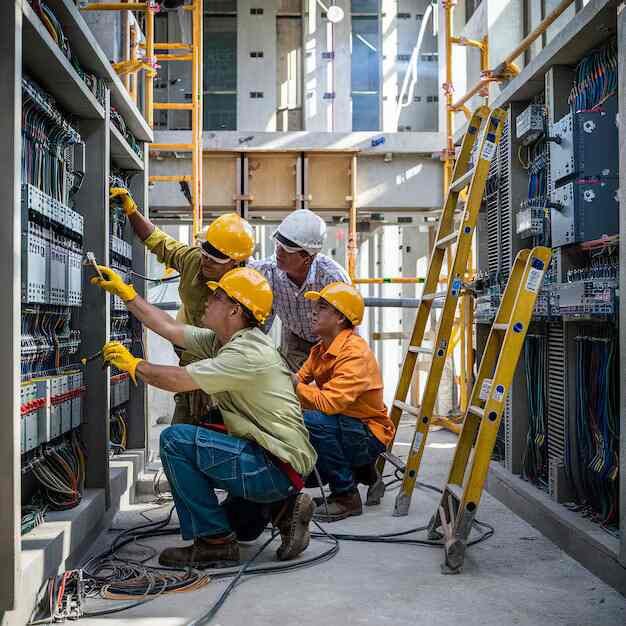
Florida is known for various things, including its tropical-like climate. This causes heat waves during the summer that place extreme demand on residential cooling systems and local power grids. Constant electrical cycling often causes sudden circuit breaker trips. Repeated breaker trips may indicate deeper electrical or mechanical problems in a structure. Ignoring these warning signs increases the risk of component damage or fire hazards. To prevent this, homeowners need timely electrical repairs in Florida by professionals.
Understanding Residential Electrical Safety and Strain
Circuit breakers play an important role in keeping your home’s electrical system safe. Located inside the main service panel, they automatically shut off power when the electrical current exceeds a safe level. Florida homeowners often deal with power disruptions, particularly during the hot summer months. High humidity and intense sunlight can put extra strain on residential circuits and their components. As a homeowner, you must understand the main causes of these electrical issues. Once you identify the underlying system issue, diagnose it properly to protect your home’s electrical infrastructure.
Here are some reasons for your household circuit breaker trip. With this, you can receive proper information and take necessary steps to prevent the issue.
Cause 1: Air Conditioner Overload and High Inrush Current
The extreme summer temperatures of Florida prompts homeowners to use their air conditioning systems. As a result, an AC unit accounts for a significant portion of a home’s electrical load. Running the system for long periods also puts more demand on its dedicated branch circuit. At the same time, components such as air filters and blower motors have to work harder, which can increase mechanical strain and cause the system to draw more current.
An aging compressor or a failing capacitor can also draw too much amperage when the AC starts. During startup, the compressor needs a short but powerful surge of electricity. This is known as inrush current. If that surge goes beyond what the circuit can safely handle, the breaker may trip to protect the system from damage. Repeatedly resetting the breaker without addressing issues like dirty filters or faulty capacitors can put extra stress on your compressor motor. Go for regular HVAC maintenance to find motor problems and check the working condition of the capacitors.
Cause 2: Panel Overheating From Direct Sunlight and Ambient Heat
Thermal-magnetic breakers detect continuous overloads on their systems with the help of internal bimetallic strips. Current flowing through the breaker generates baseline operational heat. Excessive current forces the bimetallic strip to bend and open the circuit.
Florida's climate brings direct sunlight and ambient heat, which affects outdoor and garage electrical enclosures. Breakers installed on exterior west walls absorb intense radiant heat. However, the high ambient heat preheats the bimetallic strip before appliances turn on. As a result, the breaker trips due to lower electrical current. Creating shade around outdoor electrical boxes helps lower panel temperatures. A professional in electrical repair in Florida can help you prevent further thermal stress.
Cause 3: Lightning Strikes and Severe Storm Voltage Surges
Thunderstorms and lightning are a common occurrence in Florida. Direct lightning strikes on residential structures are relatively rare, but indirect strikes on utility poles or nearby soil may generate massive voltage surges. The surge travels along the utility lines into the household electrical distribution panels.
Severe voltage spikes trip main breakers and blow electrical fuses instantly. The delicate microprocessors in HVAC control boards and thermostats may get damaged by high voltage. Whole-home surge protectors at the main panel can intercept large voltage spikes, and you may need a surge protective device to safely divert excess voltage into the earth.
Cause 4: Overloaded Circuits From Multiple High-Draw Appliances
Electrical overload can happen when connected devices draw more current than the circuit wiring can safely handle. According to safety standards, continuous loads operating for three hours or more should not exceed 80% of the circuit’s capacity. Following this rule, a standard 15-amp circuit should safely handle up to 12 amps of continuous electrical load.
However, Florida residents often run several high-draw devices on shared branch circuits. As a result, the circuit can become overloaded when space coolers, garage refrigerators, and pool pumps are plugged into one. Once the total current exceeds safe limits, the thermal breaker will automatically trip to prevent overheating. To reduce the risk, unplug unnecessary devices and distribute electrical loads across different circuits. This can help prevent repeated breaker trips and unexpected power interruptions.
Cause 5: Wire Corrosion and Loose Connections From High Humidity
The high humidity and salty coastal air in Florida accelerate metal oxidation. Moisture exposure corrodes copper and aluminum wiring connections over time. Seasonal temperature swings may also cause metal conductors to expand and contract. This mechanical movement slowly loosens terminal screws inside breaker panels.
Loose wiring connections create high electrical resistance. Resistance generates intense localized heat around terminal lugs and receptacle outlets. Heat from loose connections warms nearby breakers, causing unexpected tripping. Discolored switch plates, warm outlets, or buzzing noises signal active arcing. Enlisting licensed technicians for electrical repair in Florida resolves loose terminals before wire insulation melts. Electricians torque terminal connections to exact manufacturer specifications during maintenance visits.
Cause 6: Short Circuits and Ground Faults
Short circuits and ground faults represent dangerous electrical conditions. These require immediate attention from the homeowner. A short circuit occurs when a hot wire directly contacts a neutral wire. This contact creates an unintended path, causing a massive current spike that instantly trips the breaker. If you reset the breaker, it will immediately re-trip to prevent electrical fires.
Ground faults occur when electricity strays to grounded metal boxes or earth. Moisture buildup in outdoor outlets, garages, kitchens, and patios can trigger ground faults. Ground Fault Circuit Interrupter (GFCI) devices detect minor current leakage and disconnect power in milliseconds. Damaged appliance cords or cracked outlet insulation can also trigger short circuits. Residents should leave breakers switched off if power cuts out immediately after resetting.
Cause 7: Aging Circuit Breakers and Outdated Electrical Service Panels
Circuit breakers utilize internal mechanical springs, contacts, and thermal switches. Decades of continuous operation and repeated trips wear out internal components. Aging breakers become overly sensitive and trip under normal electrical loads.
Additionally, older Florida residences frequently operate on outdated 100-amp electrical panels. Modern households consume far more electricity than homes built decades ago. Outdated service panels struggle to supply power to modern AC units, EV chargers, and kitchen electronics. Qualified specialists performing electrical repair in Florida can upgrade outdated panels to 200-amp capacity. Service panel upgrades improve power distribution, meet modern safety codes, and lower fire risks.
Final Notes
As a homeowner, you should treat recurring circuit breaker trips as serious warning signs to your electrical system. A tripping breaker indicates an overloaded, shorted, or overheated circuit. Climate conditions and continuous AC use can strain Florida electrical systems. When you understand these common triggers, you can identify underlying electrical hazards and address them early. Invest in prompt electrical repair in Florida to keep your home safe. Timely repair can also prevent costly equipment breakdowns and help you maintain safe residential power.
Tags : norlee electric company norlee group