When you walk into a hospital, you usually see the same boring scene. People sit in hard chairs and constantly check their watches because they are tired of waiting. Kids get cranky because they have nothing to do, and everyone looks like they have given up. Experts call this "dead time" because it feels like a waste. This part of the visit often makes people feel nervous and bored since they cannot get anything useful done.
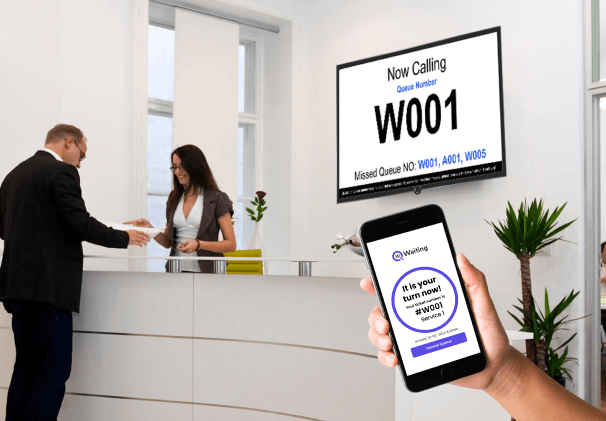
However, things are changing because of a new invention called virtual queue systems. This is not just a small fix to the old way of doing things. It is a brand-new way for hospitals to think about how they see patients. Now, people do not have to sit in a lobby and wait for care. Instead, they can sign in from home and use their phones to see exactly when it is their turn. This lets people spend their time however they want instead of being stuck in a waiting room. These digital tools show that hospitals finally care about a person's time and their right to make their own choices.
Redesigning the Patient Journey Through Intelligent Virtual Queues
1. Eliminating "Waiting Room Anxiety" Through Digital Autonomy
Waiting rooms are stressful because you are stuck in a small room with sick people. Virtual queues fix this. You can wait anywhere and use your phone to see exactly when it is your turn.
Join the Queue Before You Arrive
Patients use phone apps or text messages to check in from home, their car, or work. The system instantly puts them in line and calculates their wait time based on how busy the hospital is. This means you no longer have to arrive early "just in case" or sit for 40 minutes past your actual appointment time.
Real-Time Position Updates
The software sends phone alerts to tell you exactly where you are in line. It might say you are third in line and have a twelve-minute wait. Later, it tells you to head to the desk because you are next. Knowing what to expect makes people feel much better. Studies show that this clear information reduces stress by almost 40% for most patients.
Infection Control Through Distancing
Since 2020, these systems have become very important for safety. Fewer people in waiting rooms means there is less chance for germs to spread between patients. This is especially helpful for people who get sick easily. They can wait in their own cars until the doctor is ready for them. This lets them walk straight to their private exam room without ever sitting near other sick people.
2. Drastic Reductions in Perceived and Actual Wait Times
Wait times are now shorter and smarter. When hospitals respect a patient's time, people feel much happier and satisfied.
Predictive Algorithms That Actually Work
Modern hospital systems do more than just count people in line. They look at facts from the past to make better guesses. For example, they track how long a doctor takes with a new patient compared to a quick check-up. They even know if Tuesday mornings are extra busy. Using this information, the system can give you a very accurate time for your appointment. Instead of just saying you will be seen "soon," it gives you a specific time you can actually plan for.
Productive Waiting vs. Dead Waiting
When patients can wait anywhere, a 25-minute delay becomes useful time. They can grab a coffee, finish a work email, or pick up medicine from the pharmacy. This changes how people feel because they no longer feel like the clinic is stealing their time. Instead, they are just timing their arrival to match when the doctor is ready. One group of clinics saw their patient satisfaction scores jump by 31 points after they started using this method.
The Data Doesn't Lie
Hospitals that use digital line systems say that wait times have dropped by nearly half. However, the most important part is that patient happiness scores went up by 60%. This shows that patients do not just want a fast visit. They want to feel like they have control and know exactly what is happening. When a hospital is honest about timing, people feel much better about their care.
3. Optimizing Clinic Workflows with Smart Data
Virtual queues help clinics organize staff and resources better. This makes the entire hospital run much more smoothly. Here’s how it helps:
Automated Check-Ins That Free Up Staff
Front-desk workers usually spend several minutes helping each patient sign in. They have to check insurance, update forms, and collect payments. New digital systems can do 70% of this work automatically. Patients fill out their forms online before they arrive, and their insurance is checked by the computer. This allows the staff to see a digital dashboard of everyone ready. Because the computers handle the boring paperwork, the workers have more time to help people who have special needs or emergencies.
Real-Time Load Balancing
New systems can spot problems before they happen. If a doctor is stuck in one room for a long time while other patients are waiting, the system sends an alert to the manager. The manager can then send a nurse to help or move a patient to a different doctor. They can also send a text to waiting patients to let them know about the delay. This keeps the clinic running smoothly and stops small problems from turning into giant messes.
EHR Integration That Closes the Loop
The best hospital systems connect directly to electronic health records. When a patient signs in on their phone, the computer automatically pulls up their medical files for the doctor to see. The system tracks the patient from the moment they arrive until the moment they leave. This means workers do not have to type the same information twice, which prevents mistakes. Everything flows smoothly from the start of the visit to the end.
4. Enhancing Accessibility and Health Equity
Technology often makes things harder, but virtual queues help everyone. When built correctly, they make it easier for all people to get medical care. This helps bridge the gap so that more people can stay healthy and get help.
Remote Check-In for Mobility Challenges
Elderly patients or people in wheelchairs can check in while they are still in their cars or buses. This means they do not have to struggle through a crowded lobby to find a seat. The system tells them exactly when the doctor is ready for them. Staff members can even meet them at the front door to help them get inside. This makes going to the doctor much easier and safer for people who have a hard time moving around.
Bridging Telehealth and In-Person Care
Some hospitals use one digital portal for both video and in-person visits. This "hybrid" style is great for rural patients who start with a video call and then travel for a check-up. Using the same system for everything makes the experience feel smooth and easy.
5. Data-Driven Insights for Continuous Improvement
What gets measured gets managed. Virtual queues generate a wealth of operational intelligence that was previously invisible or required manual tracking.
Analyzing Peak Demand Patterns
By analyzing digital logs, facilities can pinpoint exact demand spikes—such as Monday mornings or the start of a new insurance year—and use those insights to strategically adjust staffing levels or extend operating hours. One multi-specialty clinic leveraged this data to identify a specific mid-week surge, allowing them to shift provider schedules and successfully reduce average patient wait times by 18 minutes.
Instant Feedback Loops
The best patient experience improvement comes from tight feedback loops. When a patient completes their visit, the queue platform can trigger an immediate 2-question survey: "How was your wait time?" and "How can we improve?" Response rates for these micro-surveys hit 40-50%, compared to 8-12% for traditional email surveys sent days later. Clinics get actionable insights while memories are fresh.
Future-Proofing Through Scalability
Modern healthcare organizations are shifting their focus toward 2030 by building scalable digital infrastructures that can adapt as facilities expand and clinical complexity grows. These queue management systems act as a vital backbone, allowing providers to seamlessly integrate new service lines and locations while maintaining a consistent experience for a rising volume of patients. By prioritizing these adaptable systems today, clinics ensure they are not just buying a temporary tool but investing in long-term operational resilience that scales alongside the evolving needs of the community.
The Future of Patient-Centric Healthcare
Virtual queues represent something bigger than operational efficiency—they signal a philosophical shift in how healthcare organizations view their relationship with patients. The traditional model assumed patients would adapt to the facility's constraints: arrive early, wait patiently, accept uncertainty. The new model flips that script. Facilities adapt to patient needs: flexible arrival times, transparent communication, respect for personal time.
For healthcare administrators navigating digital transformation in 2025, the question isn't whether to adopt these systems—it's whether you can afford not to. Patient expectations have permanently shifted. Competitors are moving. And the data is clear: organizations that implement comprehensive digital queue management see measurable improvements across every metric that matters—patient satisfaction, staff efficiency, clinical throughput, and revenue capture.
Qwaiting helps healthcare facilities make this transition without disrupting existing workflows. If you're ready to move beyond the traditional waiting room model, explore how modern queue management works in practice or calculate the ROI for your specific facility. The future of patient experience is already here—and it doesn't involve uncomfortable chairs in crowded lobbies.
Tags : virtual queue systems Software