2D Game Development Company: Complete Guide to Cost, Features & Development Process
By Dinesh Kumar 29-05-2026 119
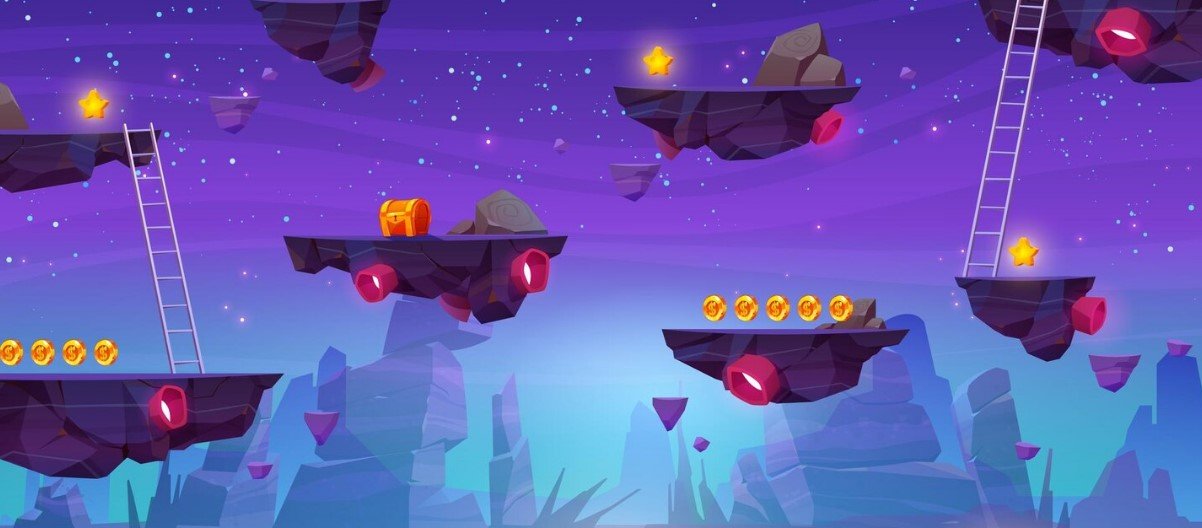
The gaming industry is filled with advanced graphics and realistic gameplay, but 2D games continue to hold a strong position in the market. From casual puzzle games and platformers to arcade experiences and educational gaming apps, 2D games remain popular because of their simplicity, accessibility, and engaging gameplay.
Businesses, startups, and gaming studios are increasingly working with a 2d game development company to create entertaining and scalable gaming experiences for mobile platforms and digital audiences.
Whether you are building a casual game, strategy title, adventure experience, or learning application, professional 2d game app development can turn a creative idea into a market-ready product.
What is 2D Game Development?
2D game development refers to building gaming applications using two-dimensional environments, characters, backgrounds, and animations.
Unlike 3D games, 2D games operate on height and width dimensions without complex depth rendering. However, that simplicity does not reduce their market value. Many highly successful games rely on strong gameplay mechanics rather than realistic visuals.
Professional 2d game development services include game concept planning, character design, animation, coding, UI design, testing, deployment, and post-launch maintenance.
2D games are commonly developed for smartphones, tablets, web platforms, PCs, and educational ecosystems.
Why Businesses Invest in 2D Mobile Game Development
2D gaming remains attractive because it offers lower development complexity, faster production timelines, and broader audience accessibility.
Businesses investing in 2d mobile game development often benefit from shorter development cycles compared to large-scale 3D projects.
Casual gaming audiences continue growing worldwide, creating opportunities for puzzle games, hyper-casual apps, educational games, sports games, and retro-inspired experiences.
Gaming businesses can generate revenue through advertisements, premium downloads, in-app purchases, subscription models, and branded partnerships.
Many organizations also use 2D games for employee training, marketing campaigns, education platforms, and customer engagement strategies.
Key Features of 2D Game App Development
Successful games require much more than attractive artwork.
Engaging gameplay mechanics are the foundation of quality 2d game app development. Players stay longer when challenges, rewards, and controls feel intuitive and satisfying.
Character design and animation are important for creating memorable experiences. Smooth movement and expressive visual elements improve user immersion.
Responsive controls ensure users enjoy seamless gameplay across different devices and screen sizes.
Achievement systems, leaderboards, rewards, and progression mechanics encourage long-term player engagement.
Monetization modules are also essential. In-app purchases, advertisements, subscriptions, and unlockable content help businesses maximize revenue opportunities.
Cloud saving, analytics systems, and performance optimization further improve game quality and user satisfaction.
Technologies Used in 2D Game Development Services
Modern gaming projects rely on advanced frameworks and development technologies.
Game engines such as Unity, Godot, and Cocos2d are frequently used in 2d game development services because they support flexible gameplay mechanics and efficient mobile deployment.
Artificial intelligence can improve enemy behavior, dynamic difficulty adjustment, and personalized gameplay experiences.
Cloud integration enables multiplayer support, progress synchronization, and player analytics.
Cross-platform technologies allow businesses to launch applications efficiently across Android and iOS ecosystems.
A professional 2d game development company selects technologies based on gameplay requirements, scalability goals, and budget considerations.
2D Game Development Cost
Understanding 2d game development cost is essential for businesses planning a gaming project.
Pricing depends on complexity, game genre, animation quality, features, platform support, and development timelines.
A simple casual 2D game with limited gameplay mechanics may cost between $10,000 and $40,000.
Mid-level projects with custom artwork, multiplayer functionality, advanced animations, and monetization systems can range from $40,000 to $100,000.
Large-scale gaming applications with extensive environments, online multiplayer, live events, and custom gameplay systems may exceed $150,000 or more.
The development team structure, design complexity, and post-launch support requirements also influence overall project costs.
Choosing an experienced 2d game development company helps businesses maintain quality while managing development expenses efficiently.
Challenges in 2D Game Development
Although 2D games are often considered simpler than 3D projects, development still presents several challenges.
Maintaining gameplay originality is one of the biggest concerns because the market contains thousands of competing casual games.
User retention is equally important. Poor game balancing, repetitive mechanics, or weak progression systems can reduce engagement quickly.
Performance optimization remains critical, especially in 2d mobile game development, where applications must function smoothly across diverse mobile hardware.
Monetization balance can also be challenging. Excessive advertisements or aggressive purchases may negatively affect user satisfaction.
Regular testing, bug fixing, and gameplay improvements are necessary to maintain long-term player interest.
How to Choose the Right 2D Game Development Company
Selecting the right partner directly influences project success.
A professional 2d game development company should demonstrate expertise in gameplay mechanics, animation systems, mobile optimization, UI design, and scalable architecture.
Businesses should evaluate portfolios, communication practices, development methodology, and technical capabilities before making a decision.
The ideal development partner provides support throughout planning, design, development, launch, and maintenance stages.
Reliable 2d game development services help businesses reduce technical risks and accelerate market entry.
Future of 2D Mobile Game Development
The future of 2D gaming continues to look promising.
Mobile gaming growth, indie game popularity, educational technology adoption, and casual entertainment trends are expanding the demand for 2d mobile game development.
Artificial intelligence, live multiplayer systems, cloud gaming, and adaptive gameplay technologies are bringing new innovation into 2D gaming experiences.
Businesses that focus on gameplay quality, creative storytelling, and scalable technology can remain competitive in the evolving gaming ecosystem.
Conclusion
The demand for high-quality 2D gaming experiences continues growing across global markets.
Investing in 2d game app development allows businesses to create engaging, accessible, and scalable digital products for mobile and cross-platform audiences.
From gameplay design and animation to monetization and optimization, successful games require technical planning and creative execution.
Partnering with a trusted 2d game development company ensures your gaming project is built for performance, engagement, and long-term business growth.