Modern Australian homes are known for their balance of comfort, functionality, and clean design. Whether you’re renovating an older property or styling a newly built house, modern interior design focuses on simplicity, natural light, and practical living spaces.
Across Australia, homeowners are increasingly choosing interiors that feel open, relaxed, and easy to maintain. Neutral colours, natural textures, and smart storage solutions have become defining elements of modern homes. Renovation projects — including popular upgrades like bathroom renovations perth wa — often reflect this shift toward minimal yet stylish design.
If you're looking to refresh your home, here are 10 modern interior design tips that can help create a stylish Australian living space.
1. Embrace Natural Light
One of the most important features of modern Australian interiors is natural light. Homes are designed to maximise sunlight through large windows, open-plan layouts, and glass doors.
Natural light instantly makes a room feel larger and more welcoming.
Simple ways to improve natural lighting include:
- Installing larger windows or skylights
- Using sheer curtains instead of heavy drapes
- Choosing light wall colours that reflect sunlight
Homes that prioritise natural light tend to feel more connected to the outdoors, which aligns perfectly with Australia’s lifestyle-focused design culture.
2. Choose a Neutral Colour Palette
Neutral colour palettes are a foundation of modern interior design. Soft tones such as white, beige, grey, and warm earthy shades create a calm and balanced environment.
These colours also make it easier to layer textures and décor without overwhelming the space.
Popular combinations in Australian homes include:
- White walls with timber accents
- Warm beige with stone surfaces
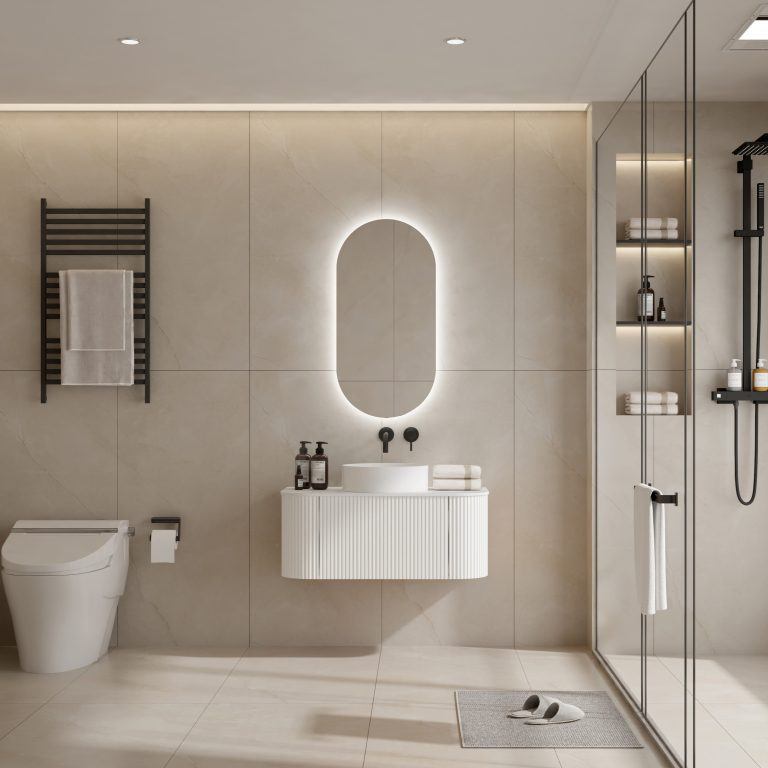
- Soft grey paired with matte black fixtures
This approach works particularly well in renovation projects, including bathroom renovations perth wa, where clean colour palettes help smaller spaces appear brighter and more spacious.
3. Prioritise Functional Open Spaces
Open-plan living is a hallmark of contemporary Australian design. Combining the kitchen, dining, and living areas into one cohesive space creates a more social and flexible environment.
This layout also improves airflow and allows natural light to move throughout the home.
Benefits of open-plan interiors include:
- Better interaction between family members
- Improved sense of space
- More flexible furniture arrangements
Many modern renovations focus on removing unnecessary walls to achieve this seamless layout.
4. Incorporate Natural Materials
Natural materials play a big role in creating warm and inviting interiors. Timber, stone, linen, and ceramic surfaces bring texture and authenticity into the home.
Common materials used in modern Australian interiors include:
- Oak or walnut timber flooring
- Stone kitchen benchtops
- Textured linen fabrics
- Handmade ceramic décor
These materials not only look beautiful but also age gracefully over time.
5. Invest in Smart Storage Solutions
Clutter can quickly make even the most beautifully designed room feel chaotic. Smart storage is essential for maintaining a clean and organised interior.
Modern homes often include:
- Built-in cabinetry
- Hidden storage compartments
- Minimalist shelving systems
For example, renovation projects such as bathroom renovations perth wa frequently focus on adding vanity storage and recessed wall niches to keep everyday essentials neatly organised.
6. Focus on Statement Lighting
Lighting is often underestimated in interior design, yet it plays a crucial role in shaping the atmosphere of a home.
Modern interiors combine several types of lighting:
- Ambient lighting for overall brightness
- Task lighting for functional areas
- Accent lighting to highlight architectural features
Pendant lights above kitchen islands, wall sconces in bathrooms, and floor lamps in living rooms can all add depth and visual interest.
7. Create a Connection to Outdoor Spaces
Australian homes often blur the line between indoor and outdoor living. Designing interiors that connect to outdoor spaces helps create a relaxed lifestyle-focused environment.
This can be achieved through:
- Sliding glass doors that open to patios or decks
- Outdoor dining areas connected to the kitchen
- Indoor plants that reflect natural surroundings
This connection is particularly valuable in warmer climates where outdoor living is part of everyday life.
8. Add Texture Instead of Excess Decoration
Modern interiors focus on simplicity rather than excessive decoration. Instead of filling rooms with decorative items, designers often rely on texture to add character.
Layering materials can create visual interest without clutter.
Examples include:
- Textured rugs on timber floors
- Linen cushions on neutral sofas
- Stone or tiled feature walls
Even spaces like bathrooms benefit from this approach. Many bathroom renovations perth wa projects incorporate textured tiles or stone finishes to add depth while maintaining a minimalist design.
9. Choose Quality Over Quantity
Rather than filling a room with many pieces of furniture, modern interior design prioritises fewer, well-crafted items.
Quality furniture often lasts longer and contributes to a more refined appearance.
When selecting furniture or décor, consider:
- Durability of materials
- Timeless design rather than short-lived trends
- Comfort and practicality
This mindset encourages thoughtful design decisions that remain relevant for years.
10. Design with Everyday Living in Mind
Perhaps the most important principle of modern interior design is functionality. A home should look beautiful, but it must also work for daily routines.
Design choices should support how people actually live.
For example:
- Durable surfaces in high-traffic areas
- Easy-to-clean materials in kitchens and bathrooms
- Comfortable seating in living areas
Homeowners planning bathroom renovations perth wa often prioritise features like walk-in showers, wall-mounted vanities, and practical storage solutions to make the space more efficient.
Expert Tip: Balance Style and Practicality
Interior design trends change over time, but homes that combine style with practicality tend to remain appealing for longer.
A well-designed space usually follows a few core principles:
- Keep layouts simple and functional
- Choose timeless colours and materials
- Prioritise comfort and usability
Professional designers often emphasise that thoughtful planning is the key to achieving interiors that feel both modern and livable.
Final Thoughts
Creating a stylish Australian home doesn’t require constant redesign or expensive upgrades. Instead, it comes down to thoughtful design choices that prioritise simplicity, natural materials, and functional spaces.
By embracing natural light, maintaining a neutral colour palette, incorporating texture, and focusing on practical layouts, homeowners can create interiors that feel both modern and welcoming.
Renovation projects — including popular upgrades such as bathroom renovations perth wa — often highlight how even small design improvements can significantly enhance a home’s comfort and visual appeal.
Ultimately, modern interior design is about creating spaces that support everyday living while reflecting a calm and timeless aesthetic.