It is four in the afternoon, the office lights are unkind and your face looks flat and tired. A friend swears her skin changed after one small bottle of oil. You wonder if it could work for you, and how long you would need to wait to find out. That wait is where most people go wrong. They expect a glow by the weekend, lose patience and move on. This guide gives you a fair timeline so you know what is normal.
Quick answer: a face oil for glowing skin mainly seals in moisture and leaves a soft, healthy-looking finish. You may notice smoother skin within a couple of weeks, while changes in tone take longer and depend on sun protection. It supports a routine but cannot replace sunscreen, sleep or medical care.
What an Oil Does and Does Not Do
Think of a face oil as a protective layer. Your cream or serum brings water and active ingredients, and the oil sits on top to slow down moisture loss. That is why skin often feels softer and looks more even in the light.
What it does not do is remove pigmentation, change your skin type or replace professional treatment. Keeping this clear from day one saves you from disappointment.
A Four-Week Timeline for Realistic Expectations
| Week | What you may notice | What to do |
|---|---|---|
| Week 1 | Skin feels softer after application | Patch test, then use a few nights |
| Week 2 | Less tightness, a smoother finish | Settle into a regular schedule |
| Week 3 | Skin may look more even in daylight | Fine-tune the amount |
| Week 4 | A steadier, healthier-looking surface | Decide whether it suits you |
Everyone’s skin differs, so treat this as a guide, not a promise. If you notice irritation at any point, stop and speak to a dermatologist.
Clarifying Oil or Rich Oil?
You will see the term clarifying face oil on many labels. It usually points to a light blend aimed at skin that looks dull or uneven, while rich oils are mostly made for dryness. The word is a marketing label, not a medical category, so always check the ingredients.
A simple way to choose:
- Dull but not dry skin: a light, quick-absorbing oil
- Very dry skin: a slightly richer oil, used at night
- Oily or acne-prone skin: a very small amount of a light oil, introduced slowly
- Sensitive skin: a short ingredient list with little added fragrance
Dark Spots: Setting the Right Goal
Many people look for a face oil for dark spots. Dark spots are caused by extra pigment after sun exposure, acne, irritation or hormonal change, and people with deeper skin tones can be more prone to lasting marks after breakouts. Fading is slow and sometimes needs a dermatologist.
An oil can support the skin while you handle the basics. Daily sunscreen matters most, because sun makes spots darker. Add gentle cleansing, avoid picking at pimples and be patient. A good goal is skin that looks calmer and more even over months, not marks that vanish in weeks.
Layering Order: Oil, Sunscreen and Makeup
Evening:
- Cleanse gently
- Apply your serum or moisturiser
- Finish with two or three drops of oil
Morning:
- Cleanse or rinse
- Apply a light moisturiser
- Use only a tiny amount of oil, if any
- Finish with sunscreen
Sunscreen always goes last in the morning. If you wear makeup, give the oil a few minutes to settle first, so it does not slide around.
A Season Plan for North India
Hot summer: Skip the oil in the morning, use a small amount at night and keep your sunscreen routine strong.
Humid monsoon: Use less, and choose a very light oil. Heavy layers can feel sticky.
Cool, dry winter: This is the best time for a slightly richer oil at night, since cold air dries skin out quickly.
A Botanical Option to Consider
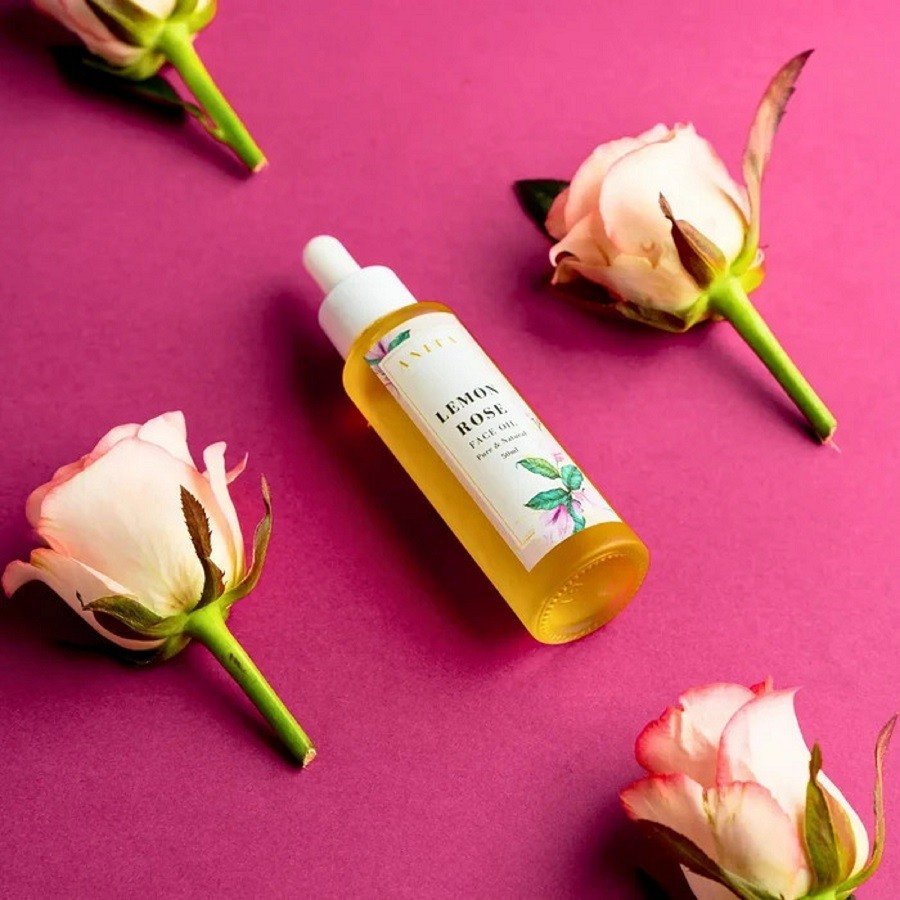
Nurture By Anita is a botanical hair and skincare brand from Chandigarh that follows an Ayurvedic-inspired approach and makes its products in small batches. Its Lemon Rose Face Oil is cold-pressed and slow-cured from Damask Rose, Lemon Leaf, Grapeseed and Marigold, and the brand’s own page presents it as a bestselling face oil for glowing skin. The brand also describes it as a clarifying blend and says the Lemon Leaf and Marigold are included for uneven tone and pigmentation over time.
Treat this as the brand’s own description, not a guaranteed result. Patch test first, and use it regularly for at least a few weeks before you judge it.
Five Mistakes That Delay Results
- Skipping sunscreen during the day
- Using too much oil, which can feel heavy and clog pores
- Changing products every week
- Scrubbing hard or picking at spots
- Judging results after only a few days
Habits That Help Your Glow
Enough sleep, water and fresh fruit and vegetables support healthy-looking skin. Wash pillowcases regularly, remove makeup before bed and avoid very hot water on your face.
When to See a Dermatologist
Speak to a dermatologist if a spot is growing, changing colour, itching or bleeding. Also seek advice for persistent acne, rashes or irritation after trying a new product. No oil can treat a medical skin condition.
Frequently Asked Questions
How long does a face oil take to work?
Softer skin may show within a couple of weeks, while changes in tone usually take longer and depend on sunscreen.
Can I use face oil in the morning?
Yes, in a very small amount, and always finish with sunscreen.
Is clarifying face oil different from regular face oil?
It usually means a lighter blend for dull or uneven-looking skin. It is a marketing term, so read the ingredients.
Can face oil fade dark spots?
It may support the skin, but fading is slow and depends on sun protection. See a dermatologist for stubborn spots.
Is face oil safe for oily skin?
Many people with oily skin use a small amount of a light oil, introduced slowly.
Conclusion
A face oil for glowing skin works best when you give it time, a clear routine and honest expectations. Patch test it, use it gently at night, protect your skin from the sun every day and judge the result after about a month. Stay realistic about clarifying face oil claims and face oil for dark spots, and see a dermatologist when something feels stubborn. A calm, steady routine is what helps skin look fresh and healthy over time.