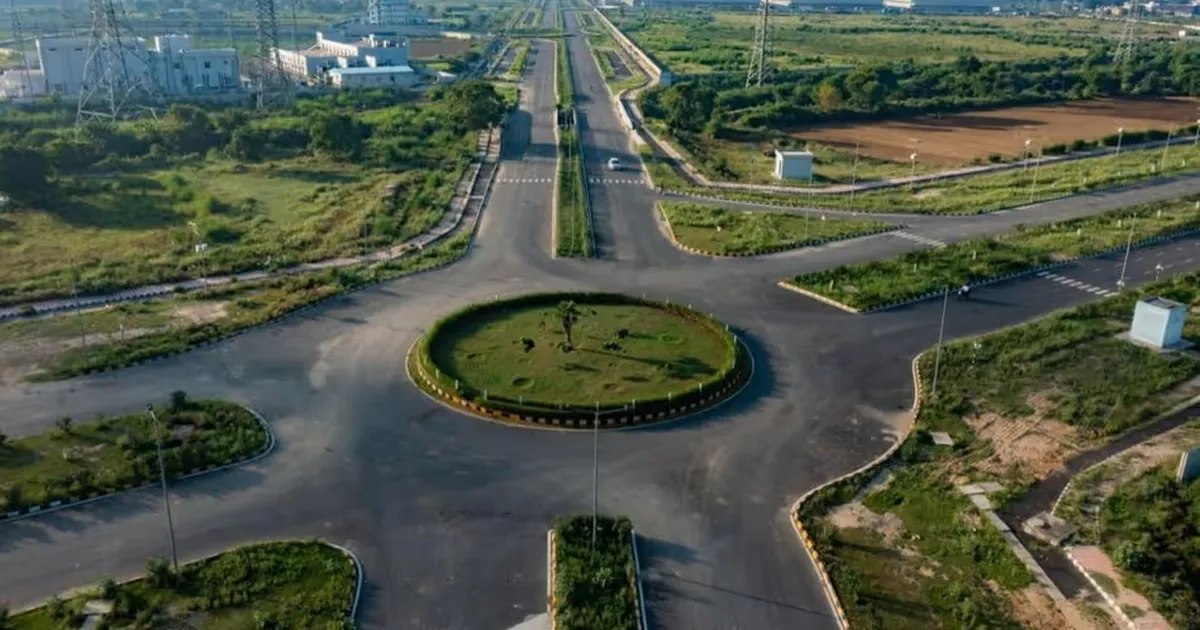
Greater Noida is becoming an important destination for industrial development, logistics, and real estate in the Delhi-NCR region. Its connectivity to major highways, railway infrastructure, and developing industrial areas has increased interest in the region among businesses, homebuyers, and property investors.
One major development driving this growth is the Delhi-Mumbai Industrial Corridor (DMIC). The initiative aims to strengthen India's manufacturing and logistics capabilities by developing industrial areas supported by modern infrastructure. Greater Noida is part of this wider development through its Integrated Industrial Township and other planned transport and logistics projects.
The DMIC region is also attracting real estate developers looking at Greater Noida's long-term potential. Puravankara DMIC Greater Noida is one of the projects associated with the broader DMIC development area, bringing additional interest to the region's emerging residential and commercial property market.
In this blog, we will explain the full form of DMIC, its location in Greater Noida, its major infrastructure projects, and why it is important for industrial development and real estate.
1. What Is the Full Form of DMIC?
DMIC stands for Delhi-Mumbai Industrial Corridor. It is a major industrial infrastructure initiative designed to support manufacturing, trade, logistics, and economic development across several Indian states.
The corridor is associated with the Western Dedicated Freight Corridor (WDFC), which is designed to improve the movement of goods between important industrial and commercial regions.
The wider DMIC programme covers parts of Uttar Pradesh, Haryana, Rajasthan, Madhya Pradesh, Gujarat, and Maharashtra. Its objective is to encourage industrial investment by developing planned industrial areas and improving supporting infrastructure.
The programme includes industrial townships, logistics facilities, transport connections, and infrastructure intended to support businesses and employment.
In simple terms, DMIC is a large-scale industrial development initiative rather than a single residential or commercial project.
2. What Is DMIC Greater Noida?
DMIC Greater Noida generally refers to industrial and infrastructure developments in the Greater Noida region that are associated with the Delhi-Mumbai Industrial Corridor.
A key development in this area is the Integrated Industrial Township, Greater Noida (IIT-GN). It is planned as a modern industrial township with industrial, commercial, residential, and supporting infrastructure.
According to the official DMIC-IITGNL website, the township covers approximately 302.63 hectares and is intended to support commercial and industrial investment in the region.
The broader DMIC development in Greater Noida also includes planned transport and logistics infrastructure, including the Multi-Modal Logistics Hub at Dadri and the Multi-Modal Transport Hub at Boraki.
These projects are important because industrial growth requires more than land for factories. Businesses also need efficient freight movement, reliable utilities, transport connections, and access to a suitable workforce.
3. Where Is DMIC Greater Noida Located?
The DMIC-linked industrial development is located in the wider Greater Noida region of Gautam Buddha Nagar district, Uttar Pradesh.
The Integrated Industrial Township is situated southeast of Greater Noida and has access to important regional transport infrastructure.
The official project information identifies the following location advantages:
Pari Chowk: Approximately 11 km by road from the Integrated Industrial Township.
Eastern Peripheral Expressway: The expressway runs along the southern boundary of the township site, according to the official project description.
Delhi-Howrah railway line: The railway line passes alongside the township area.
Ajayabpur railway station: Located near the eastern edge of the township site.
Dadri: An important railway and logistics location in the wider industrial region.
Boraki: The location of a planned multi-modal transport hub.
Distances and connectivity may vary according to the exact destination and route. Buyers and businesses should check the specific location of any property or industrial plot before making a decision.
4. Major Projects Under DMIC Greater Noida
The Greater Noida region includes several important developments associated with the DMIC programme. Each serves a different purpose in supporting industrial activity and regional connectivity.
Integrated Industrial Township, Greater Noida
The Integrated Industrial Township is designed to provide planned infrastructure for industrial and commercial activities. It is intended to accommodate businesses across sectors such as electronics, engineering, manufacturing, research and development, and other industrial fields.
The township also incorporates supporting land uses and infrastructure to create a more organised industrial environment.
Multi-Modal Logistics Hub at Dadri
The proposed Multi-Modal Logistics Hub is intended to improve the handling, storage, and movement of goods. Logistics infrastructure is particularly important for manufacturers and distributors that need to transport products efficiently across different markets.
Dadri's position within the wider freight and railway network makes it an important location for this type of development.
Multi-Modal Transport Hub at Boraki
The planned Multi-Modal Transport Hub at Boraki is intended to bring different transport facilities together. The concept includes railway infrastructure, an interstate bus terminal, and proposed mass rapid transit connectivity, alongside commercial facilities.
The objective is to improve passenger movement and connect different modes of transport in one location.
Together, these developments form an important part of the region's industrial and transport planning. Their progress and completion timelines should be checked through official announcements.
5. Why Is DMIC Greater Noida Important?
DMIC Greater Noida is important because it connects industrial development with transport infrastructure and planned urban growth.
Several factors explain its significance.
Industrial Development
The Integrated Industrial Township is designed to attract businesses that need planned industrial land and supporting infrastructure. New industrial investment can expand manufacturing capacity and encourage the development of related businesses.
Employment Opportunities
Industrial and logistics projects can create jobs in manufacturing, warehousing, transportation, engineering, administration, and support services.
Employment growth may also increase demand for housing, retail, healthcare, and other local services. However, the actual number of jobs created depends on investment, business activity, and project implementation.
Better Logistics Connectivity
Efficient transportation helps companies move raw materials and finished products between factories, warehouses, markets, and ports.
The combination of road and railway infrastructure in the wider Greater Noida region can support these activities as the relevant projects develop.
Planned Infrastructure
Industrial townships require roads, electricity, water supply, waste management, and other essential services. Planned infrastructure can help businesses operate more efficiently and support future development.
Regional Economic Growth
Industrial investment can create demand for services and supporting businesses. Over time, this can contribute to wider economic activity in Greater Noida and neighbouring areas.
The overall impact will depend on how effectively infrastructure, industrial investment, and employment opportunities develop together.
6. How Can DMIC Benefit Greater Noida's Real Estate Market?
Industrial development and real estate are closely connected. When an area attracts businesses and employment, demand for housing and everyday services may increase.
DMIC-related development could influence Greater Noida's property market in several ways.
Demand for residential properties: People working in nearby industrial and commercial areas may look for homes within a manageable commuting distance.
Growth of commercial spaces: Industrial activity can create demand for offices, shops, business services, and other commercial facilities.
Interest in developing locations: Buyers may explore areas where planned infrastructure and employment centres could support future demand.
Rental housing opportunities: A larger workforce may create demand for rental accommodation, depending on the number of jobs generated and the availability of suitable housing.
However, these possibilities should not be treated as guaranteed investment returns. Property prices and rental demand depend on many factors, including purchase costs, supply, actual infrastructure progress, connectivity, and local market conditions.
7. Puravankara Global Business City and the DMIC Region
The wider DMIC development has also attracted interest from real estate developers exploring opportunities in Greater Noida.
Puravankara Global Business City, also referred to as Puravankara DMIC Greater Noida, is an upcoming project associated with the region's broader development story. Puravankara Limited is entering the Delhi-NCR market with a proposed development linked to the DMIC Integrated Industrial Township area.
The project details available for this development indicate a proposed site of approximately 13.44 acres, with a planned residential offering of 2, 3, and 4 BHK apartments. The project is listed as upcoming, with pricing and RERA details to be confirmed through official updates.
For homebuyers, the project may be worth researching as part of a wider comparison of residential options in Greater Noida. Its location, approved plans, apartment sizes, pricing, and connectivity should be verified before making a purchase decision.
The relationship between the project's exact site and the relevant DMIC infrastructure is particularly important. Buyers should confirm the project address rather than assume that every property marketed as a DMIC development is located inside the Integrated Industrial Township itself.
8. Is DMIC Greater Noida a Good Location for Property Investment?
DMIC Greater Noida may interest property investors who are looking at areas connected with industrial development, logistics, and infrastructure expansion.
The region's long-term prospects are linked to factors such as industrial investment, transport connectivity, employment growth, and the availability of residential and commercial properties.
Before investing, buyers should consider the following points:
Exact location: Check the property's distance from the industrial township, highways, railway facilities, and employment centres.
Infrastructure progress: Distinguish between existing facilities, projects under construction, and proposed developments.
Property pricing: Compare the purchase price with similar properties in nearby areas.
Developer background: Review the developer's track record and the project's legal documentation.
RERA registration: Verify the applicable registration details on the official Uttar Pradesh RERA website before booking.
Long-term demand: Assess actual employment, rental demand, and residential development instead of relying only on future projections.
Industrial development can support real estate demand, but it does not guarantee that every nearby property will appreciate. Investors should evaluate each project on its own merits.
9. What Is the Future of DMIC Greater Noida?
The future of DMIC Greater Noida will depend on the continued development of industrial facilities, logistics infrastructure, and regional transport links.
The Integrated Industrial Township provides a planned location for industrial and commercial activity. Meanwhile, the proposed logistics and transport hubs are intended to improve the movement of goods and passengers.
If these developments progress alongside industrial investment and supporting urban infrastructure, they could contribute to Greater Noida's long-term economic growth.
The region may also see changes in housing demand as businesses expand and employment opportunities develop. However, the pace of growth will depend on implementation, market conditions, and the delivery of planned infrastructure.
For prospective buyers and investors, following official project announcements is a better approach than relying on unverified claims about future development.
Frequently Asked Questions About DMIC Greater Noida
1. What is the full form of DMIC?
DMIC stands for Delhi-Mumbai Industrial Corridor. It is an industrial and infrastructure development initiative intended to support manufacturing, logistics, trade, and economic growth.
2. Where is DMIC Greater Noida located?
DMIC-linked developments are located in the Greater Noida region of Uttar Pradesh. The Integrated Industrial Township is situated southeast of Greater Noida, near important road and railway infrastructure.
3. What is the Integrated Industrial Township Greater Noida?
It is a planned industrial township associated with DMIC. It is intended to support industrial and commercial investment through organised land use and supporting infrastructure.
4. What are the major projects associated with DMIC Greater Noida?
Key projects include the Integrated Industrial Township at Greater Noida, the proposed Multi-Modal Logistics Hub at Dadri, and the planned Multi-Modal Transport Hub at Boraki.
5. How can DMIC influence property prices in Greater Noida?
Industrial investment and employment growth may increase demand for residential and commercial properties. However, property appreciation is not guaranteed and depends on actual development, pricing, supply, and market conditions.
6. Is Puravankara Global Business City related to the DMIC region?
Puravankara Global Business City, also known as Puravankara DMIC Greater Noida, is an upcoming residential project associated with the wider DMIC development area. Buyers should verify its exact location, approvals, and current project details before booking.
7. Where can I find official information about DMIC Greater Noida?
The official website of DMIC Integrated Industrial Township Greater Noida Limited, iitgnl.com, provides information about the township, infrastructure projects, land allotment, and official announcements.
Conclusion
DMIC Greater Noida is an important part of the wider industrial and infrastructure development taking place in the Greater Noida region. Its full form, Delhi-Mumbai Industrial Corridor, reflects its broader objective of strengthening manufacturing, logistics, and economic activity.
The Integrated Industrial Township, proposed logistics hub at Dadri, and planned transport hub at Boraki are key developments associated with this initiative. Together, they are intended to support industrial investment and improve regional connectivity.
For homebuyers and property investors, the region may offer opportunities worth exploring as development progresses. Projects such as Puravankara Global Business City have also brought additional attention to the area.
The most important step is to separate confirmed infrastructure and project information from future expectations. By checking official announcements, property documents, and current market conditions, buyers can make better-informed decisions about real
Tags : .....