Clarity Signworks Reviews: What Should Los Angeles Businesses Evaluate Before Choosing a Signage Partner?
By Clarity Signworks 19-10-2026 3
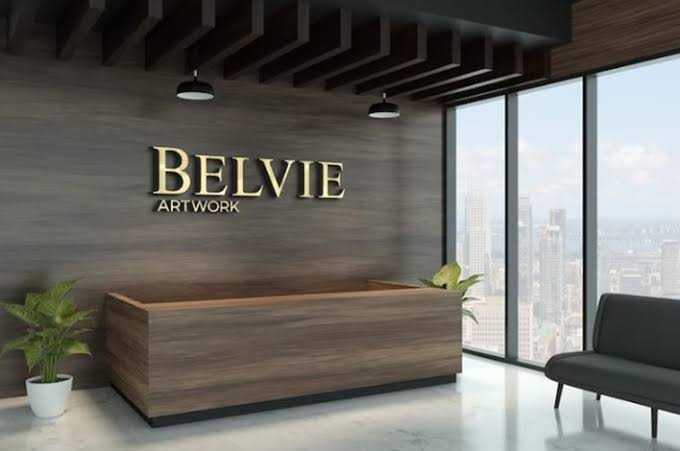
Choosing a signage provider involves more than comparing prices or selecting an attractive design. Businesses need to understand whether a provider can interpret their requirements, recommend suitable materials, coordinate installation, and produce signs that function effectively in the intended environment.
For Los Angeles companies, the decision may involve exterior identification, interior branding, directional information, accessibility-related signage, or a combination of different sign types. Evaluating a provider systematically can help reduce misunderstandings and improve the likelihood of a successful project.
Look Beyond the Portfolio
A portfolio provides useful evidence of a provider's design capabilities, but it should not be the only factor in the decision.
Businesses should look for examples relevant to their own requirements. A provider experienced in small indoor signs may not necessarily have the same experience with large freestanding structures or complex illuminated installations.
Review whether the portfolio demonstrates attention to typography, material selection, installation conditions, and practical readability. Photographs can show the finished appearance, but businesses should also ask how the designs were developed and what challenges were addressed.
Evaluate the Discovery Process
A strong signage project begins with understanding the client's goals. The provider should ask about the location, intended audience, brand guidelines, viewing distance, building conditions, budget, and expected lifespan.
For example, a retail business may prioritize storefront visibility, while an office building may need a coordinated system of identification and directions.
A sign company los angeles businesses evaluate should be able to explain why a proposed solution suits the particular application. Recommendations should be supported by practical considerations rather than relying only on visual preference.
Businesses should also expect questions about site access, landlord approvals, electrical requirements, and installation timing when those factors apply.
Ask How Materials Are Selected
Different materials have different strengths, limitations, maintenance requirements, and costs. Acrylic, metal, vinyl, illuminated components, and printed graphics are not interchangeable in every application.
A provider should explain the reasoning behind its material recommendations. Consider whether the sign will be exposed to direct sunlight, moisture, frequent cleaning, physical contact, or changing temperatures.
The business should also ask about expected maintenance and how surface finishes may change over time. A lower initial price may not represent the best overall value if the sign needs frequent replacement.
Understand the Scope of Work
Before approving a proposal, businesses should confirm what is included. The scope may cover design, measurements, artwork preparation, fabrication, permits, installation, electrical work, and removal of existing signs.
Not every provider includes every service, so exclusions should be stated clearly.
The proposal should identify the number and type of signs, dimensions, materials, finishes, installation assumptions, and relevant deadlines. If approvals or site conditions could affect the schedule, those dependencies should be explained.
This information makes it easier to compare proposals accurately rather than judging them by a single total price.
Assess Communication and Project Management
Signage projects often involve several stages and stakeholders. Business owners may need to coordinate with landlords, architects, general contractors, facility managers, or marketing teams.
The provider should explain how design revisions are handled, who approves the final artwork, and how installation dates are confirmed.
Businesses should also ask how unexpected site conditions are managed. Clear communication can prevent confusion when measurements change, access is restricted, or a requested installation method is not suitable.
Verify Accessibility and Regulatory Knowledge
Some signs may be subject to accessibility standards, local permitting, building rules, or electrical requirements. The exact obligations depend on the sign type, location, and project circumstances.
Businesses should ask how the provider identifies applicable requirements and which party is responsible for confirming approvals. A provider's familiarity with relevant processes can be valuable, but it should not replace verification by the appropriate authority or qualified professional.
For example, room-identification signs and large exterior signs may involve very different technical considerations.
Read Reviews With the Right Questions in Mind
Online reviews can offer insight into communication, timeliness, workmanship, and how a provider responds when problems occur. However, individual reviews may reflect different project sizes, expectations, or circumstances.
Businesses should look for recurring themes rather than focusing on a single unusually positive or negative comment. They can also ask for references from clients with similar signage needs, where available.
The most useful evaluation considers the full project experience, including planning, revisions, installation, and follow-up.
Consider Long-Term Support
A sign may remain in place for many years, so the relationship should not end automatically when installation is complete.
Businesses should ask whether replacement components are available, how repairs are handled, and whether the provider can support future additions. This is particularly useful when a company expands, changes its branding, or opens additional locations.
Clarity Signworks can be considered as part of a business's evaluation of signage options, with the final decision based on project fit, documented scope, material suitability, communication, and verified capabilities.
Final Thoughts
Selecting a signage partner requires careful evaluation of design quality, material knowledge, project management, compliance considerations, and long-term support. Businesses should request detailed proposals and compare providers against the same criteria.
A structured selection process helps Los Angeles businesses make informed decisions and develop signage that serves their customers, employees, and property for years to come.